
 EN
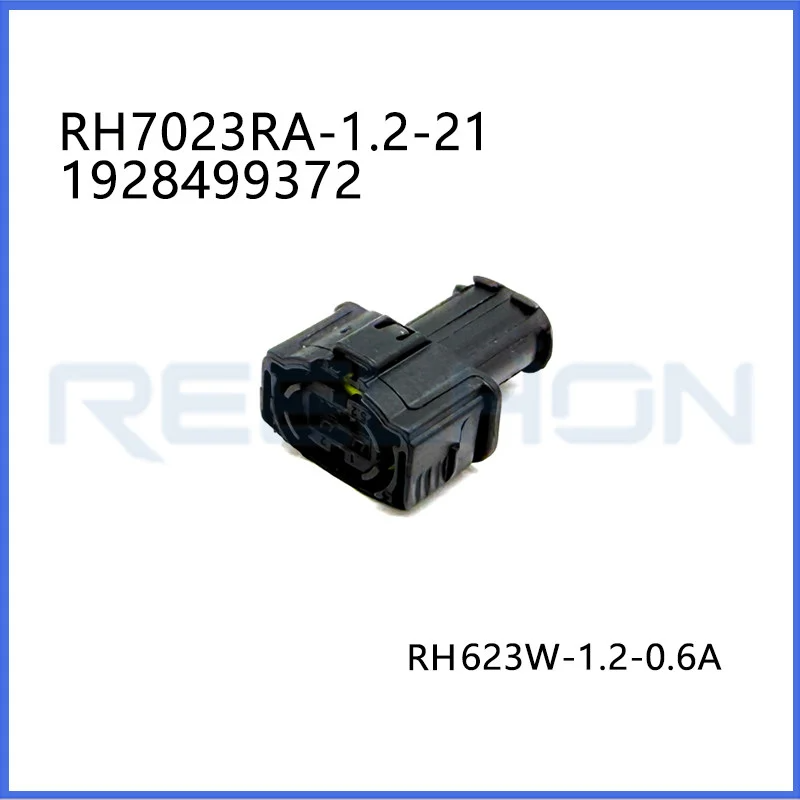
When manufacturers need to scale output without sacrificing quality, the 2 pin connector becomes one of the most strategically important components in the production line. A 2 pin connector is a compact, two-terminal electrical interface used across automotive wiring harnesses, industrial control systems, consumer electronics, and power distribution assemblies. Because the 2 pin connector appears in virtually every wiring harness segment, its production volume demands are consistently high, making automation a critical factor in maintaining output rates and cost efficiency.
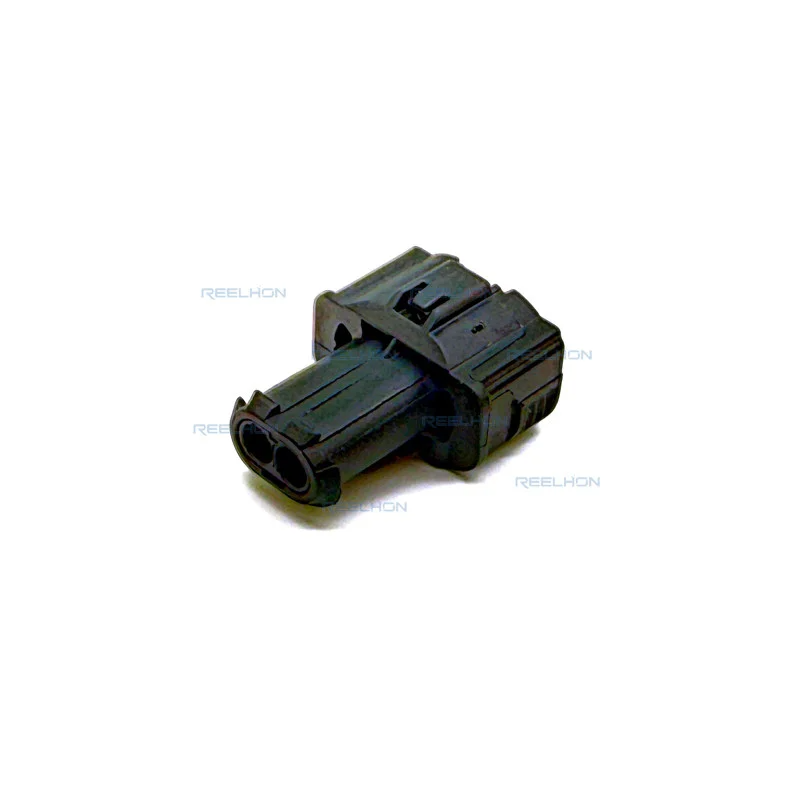
The challenge with high volume 2 pin connector production is not simply making more units. It is making each 2 pin connector to exact specification, with consistent terminal seating, reliable housing latch engagement, and repeatable dimensional tolerances across millions of cycles. This article explores how production systems are structured to meet those demands, what automation technologies are applied, and how quality control is integrated into every stage of the 2 pin connector manufacturing workflow.
Core Production Stages for the 2 Pin Connector
Terminal Stamping and Forming
Every 2 pin connector begins with its terminals. Terminal stamping is performed using progressive dies on high-speed presses, which can form and cut copper alloy terminals at rates exceeding several hundred strokes per minute. For the 2 pin connector, the terminal must achieve precise geometry to ensure proper insertion depth and electrical contact force inside the housing. Any dimensional deviation in the terminal affects the 2 pin connector's mating reliability, which is especially critical in automotive and industrial environments where vibration and thermal cycling are constant factors.
After stamping, terminals undergo surface plating, typically with tin or gold depending on the 2 pin connector application requirements. Plating thickness is controlled to ensure the 2 pin connector meets corrosion resistance and contact resistance specifications. Automated reel-to-reel plating lines feed directly into terminal inspection stations, where vision systems verify geometry and plating coverage before the terminals advance to assembly. This tight integration between stamping and plating is what makes the 2 pin connector production line capable of high volume without quality compromise.
Housing Molding and Dimensional Control
The housing of a 2 pin connector is injection molded from thermoplastic resins such as PA66 or PBT, selected for their balance of mechanical strength, heat resistance, and chemical stability. In high volume production, multi-cavity molds run continuously to match the terminal supply rate. Each housing must allow the 2 pin connector terminal to snap in at the correct depth, with a locking lance that holds the terminal securely against extraction forces. Cavity-to-cavity variation in mold tooling is a major risk, and production teams use statistical process control to monitor housing dimensions across all cavities in real time.
Automation Technologies in 2 Pin Connector Assembly
Automated Terminal Insertion Systems
Manual terminal insertion cannot meet the speed or consistency demands of high volume 2 pin connector production. Automated insertion machines receive terminals on carrier strips, strip and cut them to length, and insert each terminal into the 2 pin connector housing with controlled insertion force. The machine records insertion force curves for every 2 pin connector assembled. Any deviation from the standard force curve, which could indicate a misaligned terminal or damaged housing, triggers automatic rejection of that 2 pin connector before it advances downstream. This force monitoring capability is what gives automated lines a significant quality advantage over manual assembly in 2 pin connector production.
Modern automated insertion systems for the 2 pin connector can process hundreds of units per hour while maintaining near-zero terminal damage rates. The systems are also reconfigurable, allowing a single machine to switch between different 2 pin connector variants by changing the insertion tooling and adjusting force parameters in the control software. This flexibility is essential for facilities producing multiple 2 pin connector families for different automotive or industrial platforms.
Vision Inspection and End-of-Line Testing
Once a 2 pin connector is assembled, it enters the inspection stage. High-resolution vision systems photograph every 2 pin connector from multiple angles to verify terminal seating depth, housing integrity, and locking lance position. Any 2 pin connector with a terminal seated too shallow, a cracked housing, or a deformed latch is automatically rejected and logged. Beyond visual inspection, electrical testing stations apply continuity checks to verify that each 2 pin connector delivers the expected contact path without resistance anomalies. This dual approach of optical and electrical verification ensures that only fully conforming 2 pin connector units proceed to packaging.
Quality Systems and Traceability in High Volume Output
Statistical Process Control and Real-Time Monitoring
High volume 2 pin connector production requires more than inspection at the end of the line. Statistical process control is applied at every critical process step, from terminal stamping to housing molding to final assembly. Operators and process engineers monitor control charts in real time, identifying trends that could lead to out-of-specification 2 pin connector output before defects actually occur. For example, gradual die wear in the stamping press shows up as a shift in terminal geometry measurements, allowing the team to schedule maintenance before the 2 pin connector terminal dimensions drift outside tolerance.
Each 2 pin connector production batch is assigned a unique traceability code that links to the specific mold cavity, terminal lot, plating batch, and machine parameters used during assembly. If a field issue is reported with a 2 pin connector from a particular shipment, the traceability system allows engineers to isolate the root cause and scope the affected population precisely. This traceability infrastructure is now a standard expectation in automotive 2 pin connector supply agreements.
Packaging and Output Management
Efficient packaging is the final stage of 2 pin connector high volume output. Automated counting and taping machines load each 2 pin connector into carrier reels or trays at line speed, with every package labeled with the traceability code. Output management systems track real-time production counts against customer order quantities, flagging shortfalls or overruns automatically. This tight coordination between the production line and the order management system ensures that 2 pin connector deliveries are accurate, on time, and fully documented for customer quality records.
FAQ
What materials are most commonly used in 2 pin connector housings for high volume production?
The most common housing materials for a 2 pin connector in high volume production are PA66 and PBT thermoplastics. These resins offer reliable mechanical strength, good resistance to elevated temperatures, and stable dimensional behavior during injection molding, all of which are essential for maintaining consistent 2 pin connector quality at scale.
How does automated insertion improve the quality of a 2 pin connector assembly?
Automated insertion improves 2 pin connector quality by monitoring the insertion force curve for every terminal placed into the housing. This allows the system to detect misaligned terminals, damaged housings, or out-of-specification components in real time, automatically rejecting any 2 pin connector that does not meet the acceptance criteria before it reaches the customer.
Why is traceability important in high volume 2 pin connector manufacturing?
Traceability allows manufacturers to track every 2 pin connector back to the specific materials, tooling, and process parameters used during its production. If a quality issue is identified in the field, traceability data enables engineers to determine exactly which 2 pin connector units are affected, reducing recall scope and supporting fast corrective action.