
 EN
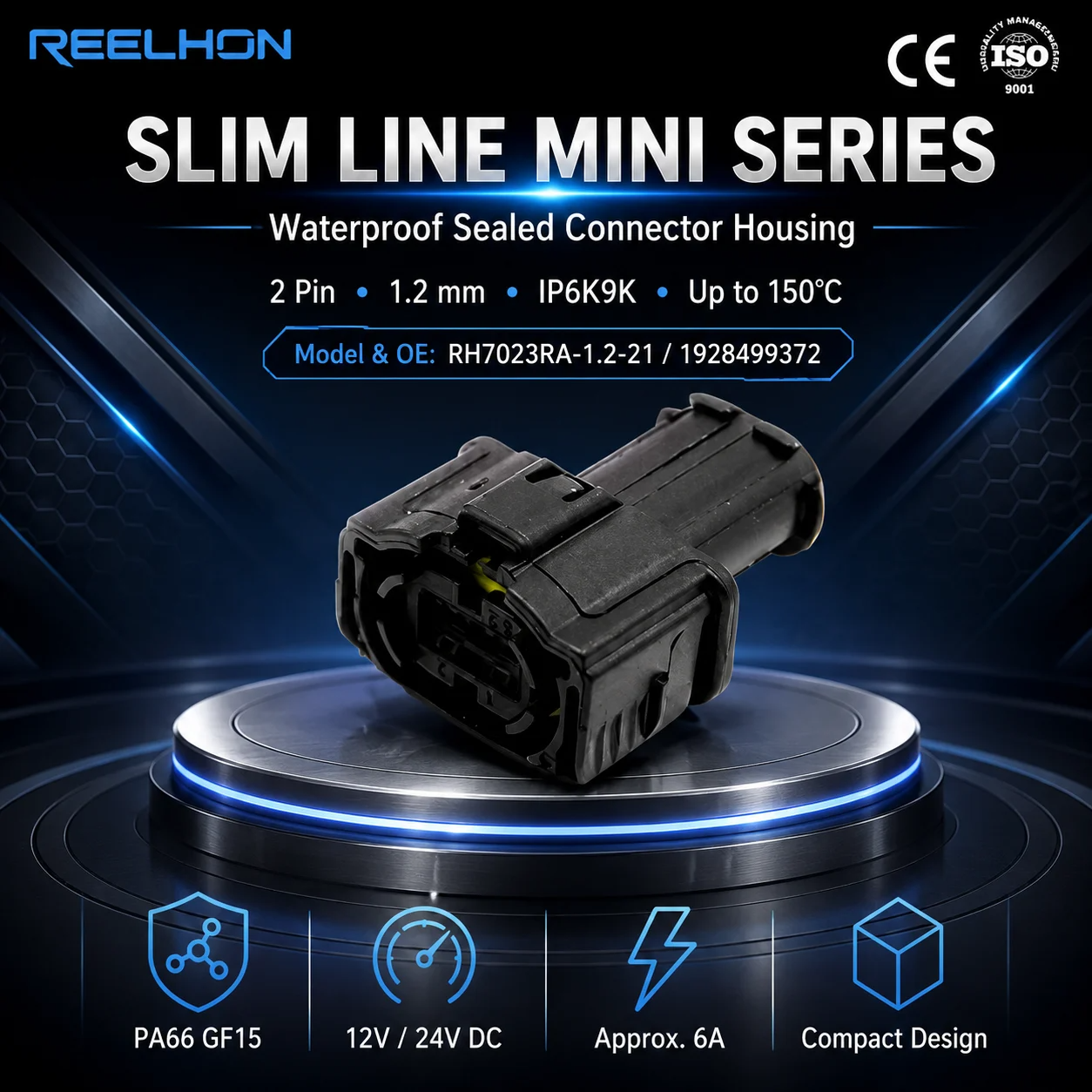
In sub-assembly manufacturing, every component must arrive ready to install. A 2 pin connector may appear simple, but its dimensional accuracy, housing integrity, and termination quality directly affect line throughput. When a 2 pin connector is custom molded to match a plant's specific harness layout, it eliminates fitment rework, reduces line stoppages, and keeps assembly cycles on schedule. Sub-assembly plants across automotive, appliance, and industrial equipment sectors increasingly specify custom molded 2 pin connector cables rather than off-the-shelf alternatives precisely because the fit, function, and finish must be exactly right at the point of installation.
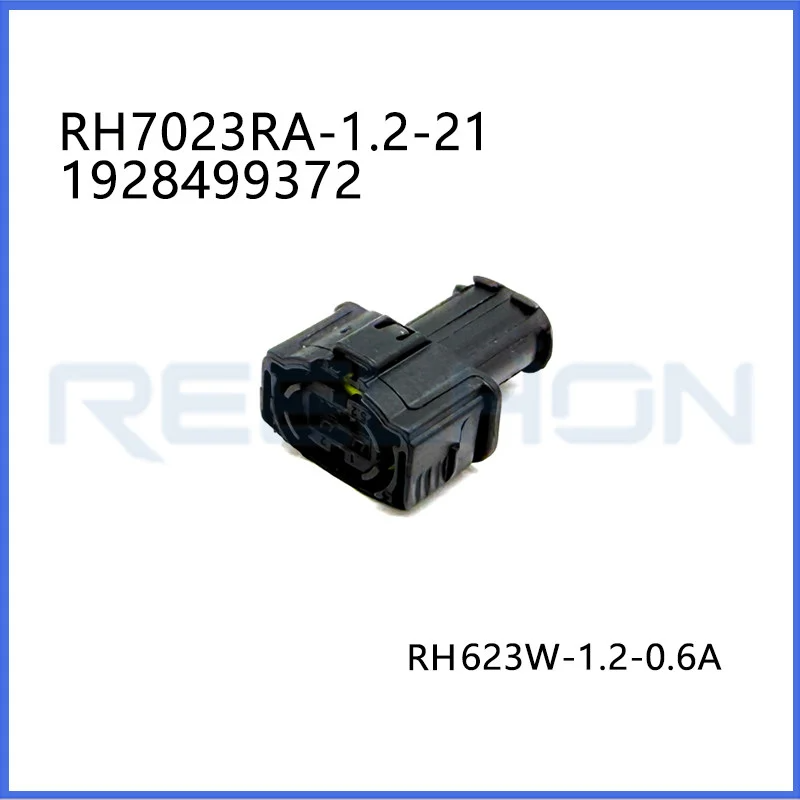
Custom molded 2 pin connector cable assemblies are engineered to plant-specific requirements. The mold shape, wire gauge, insulation color coding, and overall cable length are all defined during the design stage so that each 2 pin connector drops directly into the target sub-assembly without modification. This level of precision is what separates a production-optimized 2 pin connector from a generic component purchased off a catalog shelf. Understanding what drives the specification process helps procurement and engineering teams at sub-assembly plants make better sourcing decisions for every 2 pin connector order.
Why Sub-Assembly Plants Specify Custom Molded Designs
The Fitment Problem with Standard 2 Pin Connector Parts
A standard 2 pin connector is designed to serve a broad market, meaning its dimensions, wire exit angle, and housing profile represent a compromise across many applications. In a sub-assembly plant with tight packaging constraints, that compromise creates real problems. A 2 pin connector that does not seat flush against a bracket, or whose wire exit conflicts with a neighboring component, forces assemblers to improvise, which introduces quality risk and slows cycle time. Custom molded designs eliminate this gap by producing a 2 pin connector shaped specifically for the installation envelope defined by plant engineers.
Consistency Across High-Volume Production Runs
Sub-assembly plants often consume thousands of 2 pin connector units per shift. At that volume, even minor batch-to-batch variation in a standard 2 pin connector causes downstream sorting, rework, or scrap. A custom molded 2 pin connector is produced from a fixed tooling set with controlled overmold parameters, so each unit in a production run is dimensionally identical to the last. This consistency is critical when the 2 pin connector feeds an automated insertion station or a torque-controlled fastening cell where tolerance stack-up must be minimized.
Key Design Parameters for a Custom 2 Pin Connector Cable
Housing Material, Wire Spec, and Termination Style
When specifying a custom 2 pin connector cable, engineering teams must define several interdependent parameters. The housing material for the 2 pin connector must be selected based on operating temperature, chemical exposure, and UL or automotive flammability requirements. Wire gauge and insulation type must match the current rating and flexibility demands of the harness route. Termination style at the 2 pin connector end must match the mating receptacle already installed in the sub-assembly, whether that is a blade, pin, or crimp-style contact. Getting all three decisions right during the design phase means the finished 2 pin connector cable requires zero rework at the plant level.
Overmold Geometry and Strain Relief
The overmold body of a custom 2 pin connector serves two functions simultaneously. First, it seals the termination zone, protecting the 2 pin connector contacts from moisture, dust, and vibration-induced fretting. Second, it provides controlled strain relief so that repeated cable flexing during assembly or service does not fatigue the conductors at the crimp zone. For sub-assembly plants that route cables through tight bends, the overmold geometry of the 2 pin connector can include a defined exit angle that guides the cable into position without stressing the insulation. This is a detail that a standard off-the-shelf 2 pin connector cannot provide, making custom overmolding a decisive engineering advantage.
Sourcing and Integration Considerations for Plant Procurement Teams
Qualification and Sample Approval for a 2 Pin Connector Program
Introducing a custom 2 pin connector cable into a sub-assembly line requires a structured qualification process. The 2 pin connector supplier must produce first article samples that are measured against the plant's approved engineering drawing. Electrical continuity, contact retention force, and overmold pull strength are all verified for each new 2 pin connector design before mass production is authorized. Plants that skip formal first article inspection for a new 2 pin connector often encounter silent failures during production that are costly to trace back to the connector level. A disciplined sample approval process protects the plant and gives the 2 pin connector supplier clear acceptance criteria to build to consistently.
Lead Time Planning and Inventory Strategy for a 2 Pin Connector Supply Chain
Custom molded 2 pin connector cables have longer lead times than catalog parts because tooling must be built and validated before production can begin. Sub-assembly procurement teams should factor a 2 pin connector tooling lead time of several weeks into their program launch schedules. Once tooling is qualified, the 2 pin connector supply can be managed through blanket orders with scheduled releases, which helps the supplier maintain steady production while giving the plant predictable inventory levels. A well-managed 2 pin connector supply program also includes an approved alternate source so that a single supplier disruption cannot halt the sub-assembly line. Planning inventory buffers for the 2 pin connector based on historical consumption data further reduces line exposure during peak demand periods.
FAQ
What makes a custom molded 2 pin connector different from a standard one?
A custom molded 2 pin connector is built to a specific engineering drawing that defines its housing geometry, wire spec, and overmold shape. A standard 2 pin connector uses a general-purpose design intended for many applications, which may not match the dimensional or performance requirements of a particular sub-assembly plant. Custom tooling ensures every 2 pin connector in a production run is identical and ready to install without modification.
How does a custom 2 pin connector cable improve sub-assembly line efficiency?
When a 2 pin connector is designed to match the installation envelope and mating interface of the target sub-assembly, assemblers do not need to adjust, force, or rework the connection. This saves time per unit, reduces the risk of damaged contacts, and keeps automated insertion equipment running without jams. A precisely engineered 2 pin connector contributes directly to a lower defect rate and a faster assembly cycle.
What documentation should a sub-assembly plant request when sourcing a custom 2 pin connector?
Plants should request a complete engineering drawing, first article inspection report, material certification, and electrical test results for any new custom 2 pin connector program. These documents confirm that the 2 pin connector meets the agreed specification and provides a baseline for ongoing quality audits. Retaining this documentation also supports traceability requirements in automotive and regulated industrial supply chains where the 2 pin connector must be linked to a specific production batch.