
 EN
When it comes to vehicle horn and siren wiring, selecting the right 2 pin connector is one of the most critical decisions a sourcing professional or vehicle system integrator can make. A 2 pin connector used in horn and siren applications must deliver consistent conductivity, withstand vibration, and maintain a secure connection under demanding operating conditions. Choosing the wrong 2 pin connector can lead to signal failures, intermittent horn activation, or complete siren system breakdowns — all of which create serious safety risks on the road.
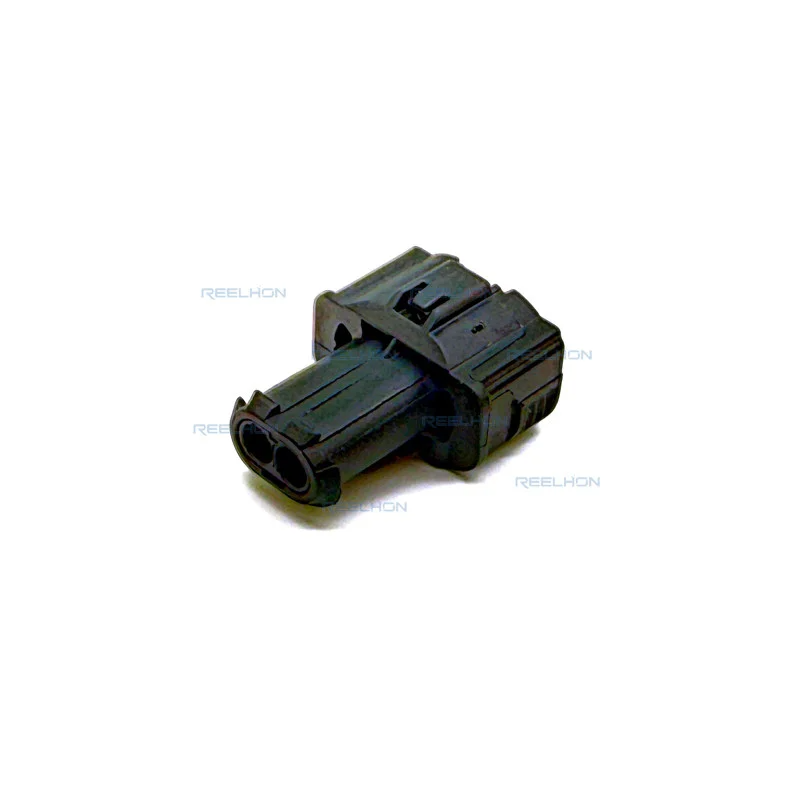
Sourcing a reliable 2 pin connector supplier means more than simply finding the lowest unit price. It means identifying a supplier who understands automotive-grade standards, can deliver consistent quality across large volumes, and provides technical support tailored to horn and siren wiring needs. This article breaks down what makes a 2 pin connector suitable for these applications, how to evaluate a supplier, and what specifications matter most in real-world vehicle wiring environments.
Why the 2 Pin Connector Matters in Horn and Siren Systems
The Role of the 2 Pin Connector in Automotive Signal Circuits
A 2 pin connector serves as the critical interface between the vehicle's power circuit and the horn or siren unit. In a typical horn circuit, one pin carries the switched 12V supply while the other connects to ground. The 2 pin connector must maintain a low-resistance contact even after thousands of mating cycles, vibration exposure, and temperature fluctuations ranging from sub-zero cold to high engine bay heat. Any degradation in the 2 pin connector's contact integrity will directly impact horn response time and siren output volume.
For emergency vehicle sirens, the 2 pin connector must also handle higher sustained current loads compared to standard passenger vehicle horns. A 2 pin connector rated for siren applications must support current ratings that exceed basic specifications, ensuring the connector body and terminal pins do not overheat during extended activation. This makes proper current rating one of the first technical criteria to verify when sourcing a 2 pin connector for siren wiring projects.
Common Failure Points and How a Quality 2 Pin Connector Prevents Them
Poor-quality 2 pin connector products often fail at the terminal-to-wire crimp joint, particularly when exposed to moisture ingress or repeated thermal cycling. A well-manufactured 2 pin connector uses precisely formed terminals that ensure consistent crimp force and gas-tight sealing at the wire entry point. The housing of a reliable 2 pin connector is typically made from nylon or other glass-filled engineering polymers that resist UV degradation and chemical exposure from road fluids.
Locking mechanisms are another area where the 2 pin connector design makes a significant difference. A 2 pin connector with a robust positive locking tab resists accidental disconnection even when subjected to road vibration or harness movement. For horn and siren installations, this locking reliability is non-negotiable, as an unplanned disconnection of the 2 pin connector during vehicle operation can disable an emergency alert system entirely.
What to Look for in a 2 Pin Connector Supplier
Quality Standards and Manufacturing Consistency
A trustworthy 2 pin connector supplier must demonstrate adherence to recognized automotive quality standards such as IATF 16949 or ISO 9001 manufacturing certifications. These standards ensure that every 2 pin connector leaving the production line meets dimensional tolerances, material specifications, and electrical performance thresholds. When evaluating a 2 pin connector supplier, request documentation of their quality control process, including incoming material inspection records and outgoing product test data.
Batch-to-batch consistency is especially important when procuring a 2 pin connector in large volumes. A supplier with robust process controls will provide 2 pin connector products where terminal insertion force, housing latch retention strength, and contact resistance remain within tight tolerances across every production lot. This level of consistency protects your assembly line from rework costs and field warranty claims driven by connector-related issues.
Technical Support and Customization Capability
Not every horn or siren installation uses a standard wire gauge or requires the same 2 pin connector housing footprint. A reliable 2 pin connector supplier should offer technical support to help engineers select the right terminal type, wire seal size, and housing variant for their specific application. The ability to customize a 2 pin connector to match an existing harness layout or to meet vehicle-specific space constraints adds significant value, especially in specialty vehicle builds or aftermarket siren installations.
Suppliers who carry a broad range of 2 pin connector configurations — including both male and female assembly options, sealed and unsealed variants, and different terminal pitch sizes — give procurement teams the flexibility to standardize on a single sourcing partner. This simplifies vendor management and reduces the risk of component mismatches when a 2 pin connector needs to mate with a counterpart connector from an existing vehicle harness system.
Specifications That Define a Reliable 2 Pin Connector for Vehicle Wiring
Electrical and Environmental Performance Requirements
The electrical performance of a 2 pin connector is defined by its contact resistance, rated current capacity, and dielectric strength. For horn and siren applications, a 2 pin connector should typically support a rated current of at least 10 to 20 amperes and maintain contact resistance below 10 milliohms after environmental conditioning tests. Voltage drop across the 2 pin connector must be minimized to ensure the horn or siren receives full operating voltage without loss.
Environmental sealing is another essential specification for any 2 pin connector used in vehicle horn wiring, where exposure to water spray, dust, and road debris is unavoidable. A sealed 2 pin connector rated to IP67 or higher provides a watertight barrier that protects terminal contacts from corrosion over the full service life of the vehicle. Always verify the environmental protection rating before selecting a 2 pin connector for any exterior-mounted horn or siren installation.
Material Quality and Long-Term Durability
The terminal material inside a 2 pin connector directly determines its corrosion resistance and long-term electrical performance. Brass terminals with tin or gold plating are commonly specified in automotive-grade 2 pin connector designs, offering a reliable balance between conductivity, solderability, and resistance to contact oxidation. The housing polymer of the 2 pin connector must also be rated for the full operating temperature range of the vehicle environment, typically minus 40 degrees Celsius to plus 125 degrees Celsius for under-hood locations.
Durability testing data, such as mating cycle endurance, salt spray resistance, and thermal shock performance, should be available from any reputable 2 pin connector supplier. Requesting and reviewing this data before finalizing a sourcing decision helps ensure the 2 pin connector will perform reliably throughout the expected service life of the vehicle's horn or siren system, avoiding costly field failures and recalls.
FAQ
What current rating should a 2 pin connector have for siren wiring?
For siren wiring, a 2 pin connector should be rated for at least 15 to 20 amperes to handle the sustained current draw of emergency siren units. Always confirm the actual current load of your specific siren and choose a 2 pin connector with a rated capacity that provides a comfortable safety margin above that load.
Is a sealed 2 pin connector necessary for horn applications?
Yes, a sealed 2 pin connector is strongly recommended for horn applications, particularly for horns mounted in exposed locations such as behind the front grille or under the hood. A sealed 2 pin connector with an IP67 rating or higher prevents moisture and road contaminants from reaching the terminal contacts, significantly extending the service life of the connection.
How do I verify that a 2 pin connector supplier meets automotive quality standards?
Ask the 2 pin connector supplier to provide copies of their quality management system certifications, such as IATF 16949 or ISO 9001. Additionally, request product-level test reports that document contact resistance, mating force, and environmental sealing performance. A reputable 2 pin connector supplier will be able to supply this documentation readily and transparently.