
 EN
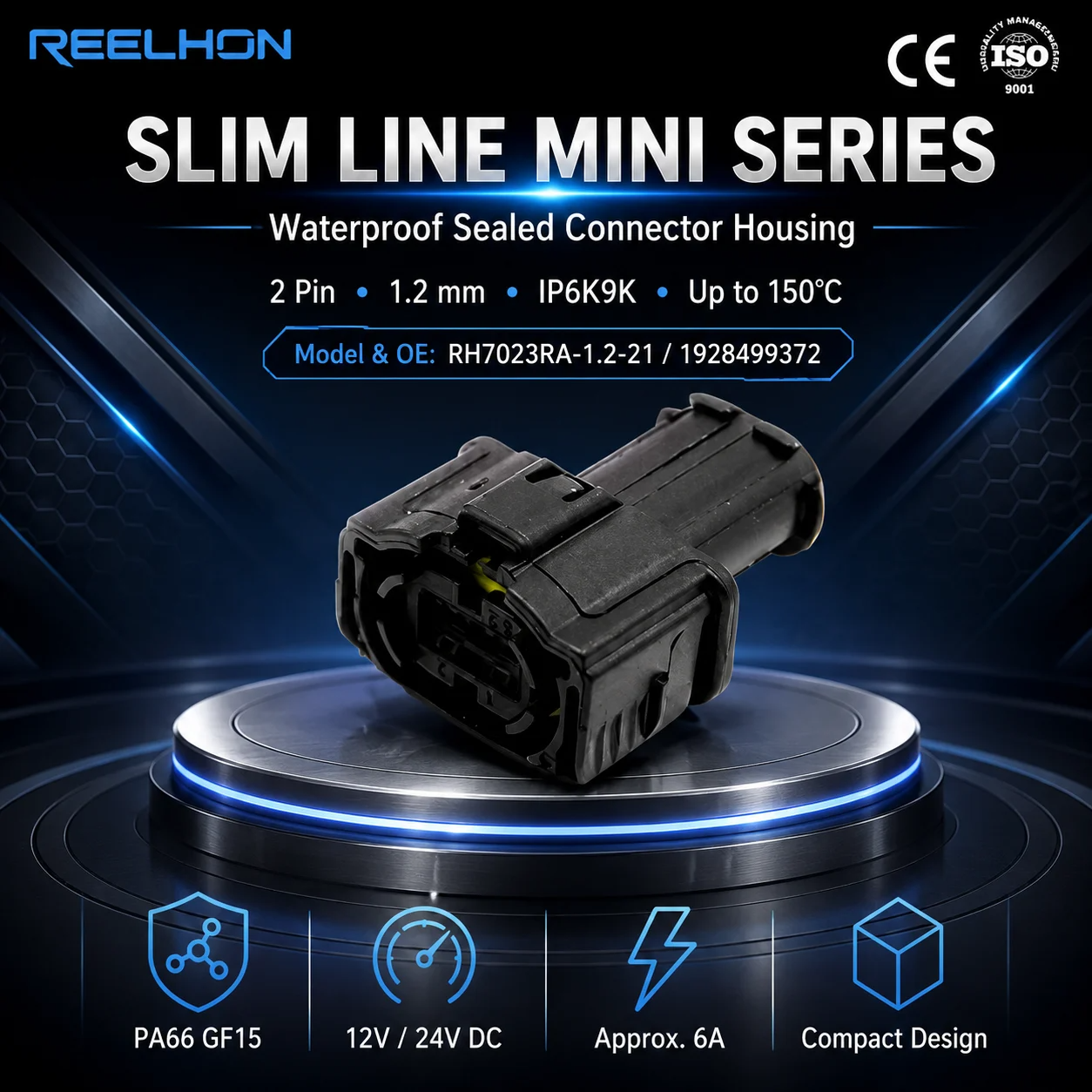
When precision matters at the smallest scale, the 2 pin connector stands out as a critical component in micro-sensor applications. Engineers and procurement teams working with compact sensing devices know that a poorly selected 2 pin connector can introduce signal noise, mechanical failure, or assembly delays that ripple across an entire production line. Sourcing factory direct changes that equation entirely, giving buyers consistent quality, tighter tolerances, and meaningful cost control from the very first order.
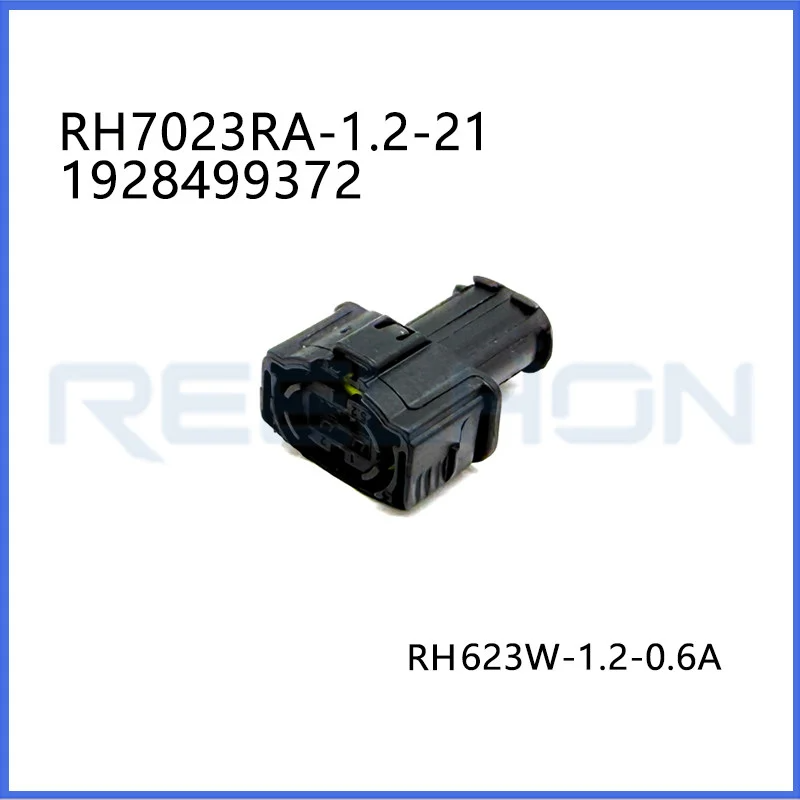
Factory direct supply of the 2 pin connector removes unnecessary intermediaries and gives product developers direct access to specification flexibility. Whether you are integrating a temperature sensor into an automotive system or connecting a pressure transducer in industrial equipment, the 2 pin connector you choose must meet exacting dimensional and electrical standards. This article explores what makes a 2 pin connector suitable for micro-sensor use, how factory direct procurement supports that demand, and what to evaluate before placing a bulk order.
Why the 2 Pin Connector Suits Micro-Sensor Design
Compact Form Factor and Minimal Pin Count
Micro-sensors typically transmit two basic signals: a power line and a signal or ground line. That two-wire architecture maps perfectly to the 2 pin connector, which keeps the interface minimal without sacrificing reliability. The small footprint of a 2 pin connector allows it to be used in tight PCB layouts, inline harness assemblies, and panel-mount sensor housings where space is genuinely constrained.
A 2 pin connector designed for sensor applications usually features positive locking mechanisms that prevent accidental disconnection under vibration. This is particularly important in automotive, robotics, and HVAC sensor environments where constant mechanical stress is present. The 2 pin connector keeps the electrical interface secure while allowing quick field replacement when a sensor must be serviced or swapped out.
Signal Integrity at Low Voltage
Micro-sensors often operate at low voltage and low current levels, making contact quality within the 2 pin connector absolutely essential. Gold-plated or tin-plated contacts inside a quality 2 pin connector minimize contact resistance and reduce the risk of oxidation over time. When signal integrity degrades at the connector level, sensor readings become unreliable, causing downstream calibration errors or false readings in control systems.
Factory direct sourcing ensures that the 2 pin connector you receive consistently meets the contact resistance specifications documented in the product data sheet. Distributors and secondary markets often mix production batches from different tooling runs, which introduces variation. A factory direct 2 pin connector supply chain eliminates this batch inconsistency problem at the source.
Factory Direct Advantages for 2 Pin Connector Procurement
Specification Control and Customization Access
When you source a 2 pin connector factory direct, you gain direct access to the engineering team responsible for its tooling and materials. This matters when your micro-sensor application has non-standard requirements, such as a specific wire gauge range, a custom housing color for assembly identification, or a particular locking tab orientation. Factories that supply the 2 pin connector directly can accommodate these variations in a way that distributors simply cannot.
A 2 pin connector in an automotive micro-sensor harness, for example, may need to comply with specific temperature ratings or ingress protection standards. When you work with the factory directly, you can request material certifications, RoHS compliance documents, and dimensional inspection reports for every production lot. These quality documents are harder to obtain reliably when your 2 pin connector supply passes through multiple hands before reaching your assembly floor.
Cost Structure and Lead Time Transparency
Factory direct pricing on a 2 pin connector reflects actual manufacturing cost plus margin, without the markup layers added by distributors and resellers. For high-volume sensor assembly operations, that price difference on each 2 pin connector compounds significantly across thousands or millions of units per year. Procurement managers working on tight BOMs know that even a small per-unit saving on a 2 pin connector translates to measurable project savings at scale.
Beyond price, factory direct relationships give you real lead time visibility. When a 2 pin connector is in short supply globally, direct factory communication allows you to prioritize production slots, adjust order volumes, and plan safety stock more accurately. Distributors often cannot offer this level of supply chain transparency for a specific 2 pin connector SKU.
Selection Criteria for a Micro-Sensor 2 Pin Connector
Housing Material and Environmental Rating
The housing of a 2 pin connector must match the operating environment of the sensor it serves. Nylon PA66 housing is common for general automotive and industrial 2 pin connector applications because it balances cost, temperature resistance, and dimensional stability. For outdoor or high-moisture sensor environments, a 2 pin connector with an IP67 or IP68 seal rating protects the contact interface from water ingress and corrosion.
Selecting the right housing for your 2 pin connector is not a secondary concern. In under-hood automotive sensor applications, a 2 pin connector may be exposed to temperatures between -40 degrees Celsius and 125 degrees Celsius, as well as oil mist and cleaning fluids. Only a 2 pin connector with appropriate material certification will survive that duty cycle without degrading.
Wire Gauge Compatibility and Termination Method
Every 2 pin connector has a rated wire gauge range that determines which conductors can be reliably terminated into its crimp contacts. Using a wire gauge outside the rated range for a 2 pin connector risks poor crimp retention, elevated contact resistance, or damage to the terminal during assembly. For micro-sensor wiring, fine-gauge wire in the 22 to 28 AWG range is typical, and the 2 pin connector selected must support those sizes with matching crimp tooling.
Factory direct suppliers can provide the correct applicator tooling, crimp height specifications, and pull-force test data alongside each 2 pin connector product. This support reduces the setup time and rework rate in high-volume cable assembly operations where every second of assembly time counts.
FAQ
What industries use a 2 pin connector in micro-sensor applications?
The 2 pin connector is widely used in automotive, industrial automation, HVAC, medical devices, and consumer electronics where sensors require simple two-wire power and signal connections. Its compact size and reliability make the 2 pin connector a standard choice across these sectors.
How does factory direct sourcing improve 2 pin connector quality control?
Factory direct sourcing of a 2 pin connector provides direct access to production records, inspection reports, and material certifications. This eliminates the quality uncertainty that arises when a 2 pin connector passes through distribution channels where batch mixing and improper storage can occur.
Can a 2 pin connector be customized for a specific sensor housing?
Yes, a 2 pin connector sourced directly from a factory can be customized in housing color, locking tab design, wire seal size, and contact plating. These modifications help ensure the 2 pin connector integrates precisely with the sensor housing and meets the assembly or regulatory requirements of a specific application.