
 EN
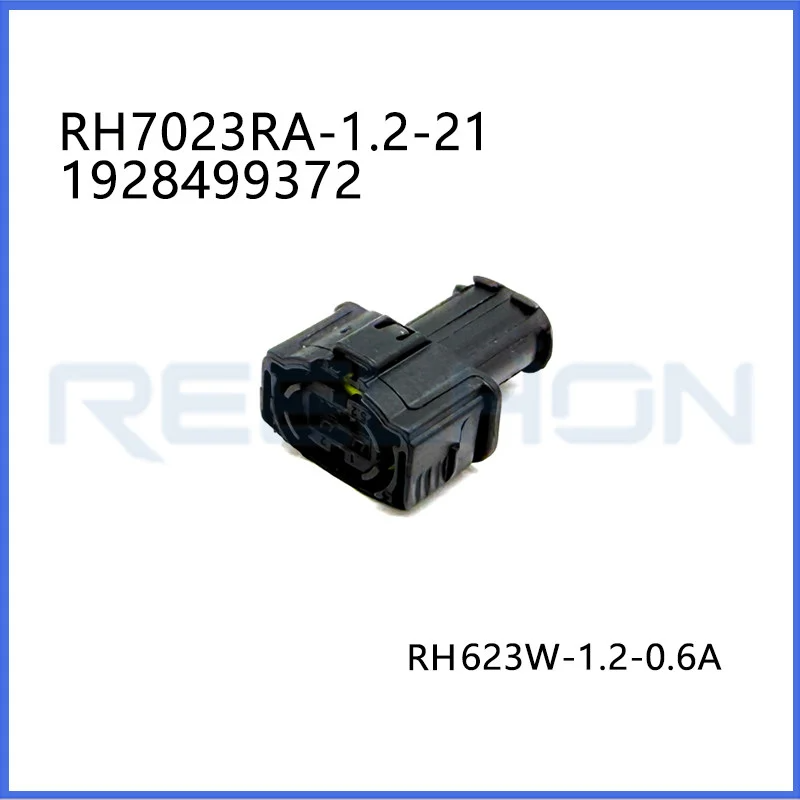
Choosing the right 2 pin connector is one of the most practical decisions an engineer or procurement specialist makes when designing or sourcing automotive LED lighting systems. A 2 pin connector handles the two fundamental signals in any lighting circuit — power and ground — making it the foundation of a clean and reliable electrical connection. Despite its simple format, the 2 pin connector must meet demanding performance standards in automotive environments where vibration, moisture, heat, and electrical noise are constant concerns.
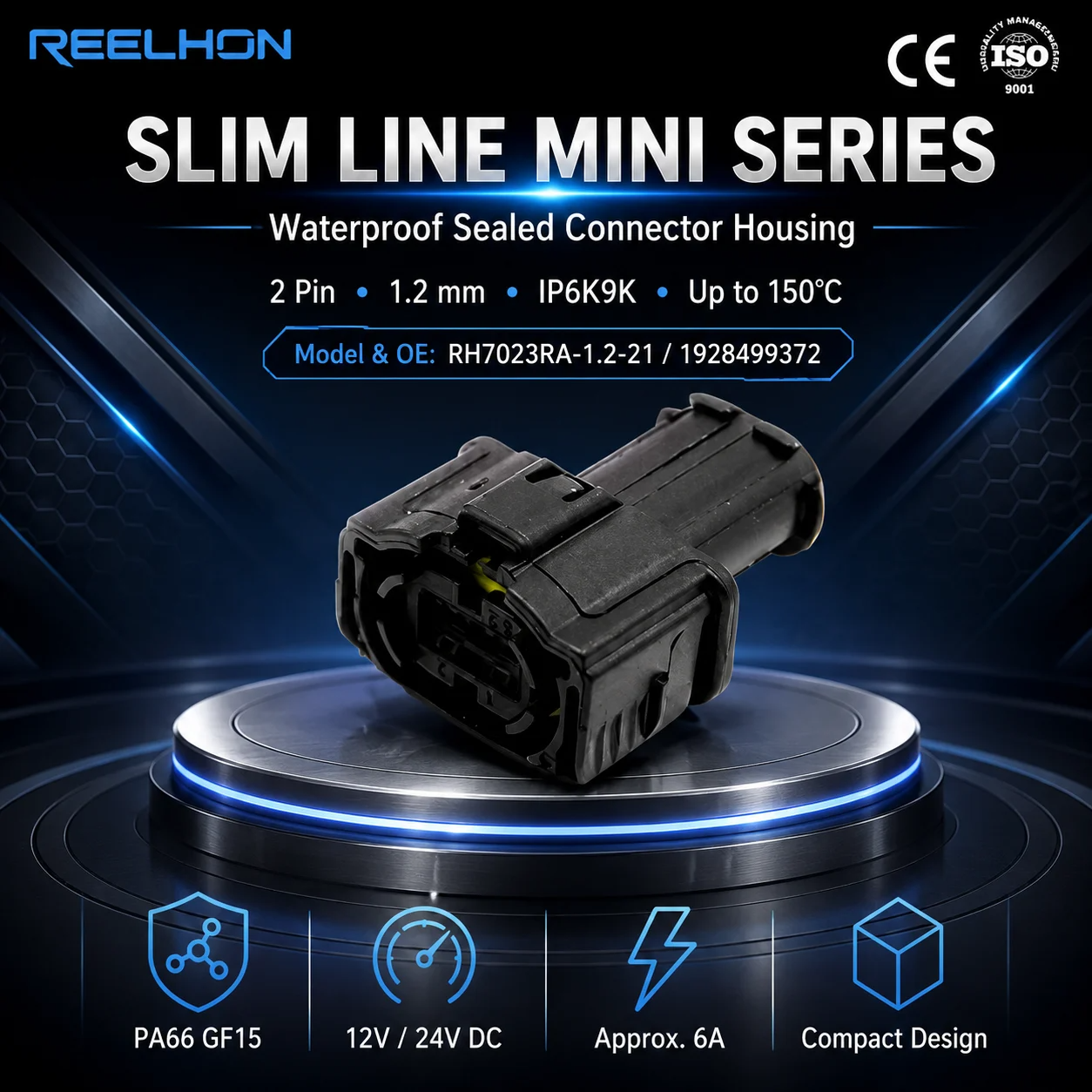
For automotive LED lighting applications specifically, the 2 pin connector must support steady low-voltage DC signals, resist corrosion across years of service, and maintain a secure mating cycle even after repeated assembly and disassembly. Manufacturers who specialize in this component understand that precision terminal design, housing material selection, and sealing performance all determine whether a 2 pin connector will pass validation or fail in the field. This article breaks down what distinguishes a purpose-built 2 pin connector for LED lighting from a generic alternative, and what factors matter most when evaluating a manufacturer.
Core Design Requirements of a 2 Pin Connector for LED Systems
Electrical Performance and Current Rating
An automotive LED lighting circuit typically draws low to moderate current, but the 2 pin connector must be rated correctly to avoid voltage drop or heat buildup at the contact point. A well-designed 2 pin connector uses copper alloy terminals with controlled contact force to ensure stable resistance across the mating interface. Even a small increase in contact resistance can cause flickering, dimming, or premature LED driver failure, so the 2 pin connector's terminal geometry and plating specification are critical from the start.
Most automotive-grade 2 pin connector products are rated for wire gauges between 20 AWG and 28 AWG, which aligns with the thin wiring used in LED lamp assemblies. The 2 pin connector should also support crimped wire termination rather than soldered connections, as crimping provides more repeatable quality in high-volume automotive production. Manufacturers who produce a 2 pin connector to OEM standards will specify the exact crimp height tolerance, pull-force requirement, and mating insertion force to ensure consistent field performance.
Sealing and Environmental Protection
Automotive LED lighting systems are installed in engine compartments, bumper assemblies, underbody positions, and exterior trim locations — all environments where the 2 pin connector is exposed to moisture, road spray, and thermal cycling. A sealed 2 pin connector typically incorporates a wire seal at the terminal cavity entry and a peripheral seal between the plug and receptacle housing. These seals must conform to IP67 or IP68 protection standards for the 2 pin connector to be considered suitable for exterior LED lighting use.
The housing material of a high-quality 2 pin connector is commonly PA66 or PBT resin, both of which offer strong chemical resistance and dimensional stability across a wide temperature range. A 2 pin connector made from inferior housing material may warp or crack under engine bay temperatures, compromising the seal and exposing contacts to oxidation. Selecting a 2 pin connector with validated environmental performance is not optional for automotive LED applications — it directly affects lamp reliability and warranty outcomes.
What Separates a Qualified 2 Pin Connector Manufacturer
Tooling Precision and Production Consistency
A manufacturer that specializes in the 2 pin connector for automotive use invests heavily in precision stamping tooling and injection molding dies. The terminal stamp must produce consistent contact geometry across millions of cycles, and the housing mold must hold tight tolerances to ensure the 2 pin connector mates correctly with its counterpart on the vehicle harness. Inconsistent tooling leads to terminal misalignment, poor contact force, and field failures that are difficult to trace back to their source.
Production consistency also means that every 2 pin connector leaving the factory passes the same dimensional and electrical checks. Qualified manufacturers use automated vision inspection and contact resistance testing to screen each 2 pin connector before it reaches the assembly line. This level of quality control is what separates a manufacturer capable of supplying OEM programs from one that only serves the aftermarket with lower-tolerance components.
Customization Capability and Engineering Support
Not every LED lighting application uses an off-the-shelf 2 pin connector format. Custom wire exit angles, color-coded housings, polarization features, and secondary lock mechanisms are common engineering requests when a 2 pin connector needs to fit a specific vehicle platform or lighting module design. A capable manufacturer can adapt the 2 pin connector housing and terminal layout to meet these requirements without compromising the structural integrity or sealing performance of the assembly.
Engineering support also extends to application validation. When a customer submits a new LED lighting design, the manufacturer should be able to guide the choice of 2 pin connector based on the wire gauge, current draw, installation space, and environmental exposure class of the target application. This collaborative approach ensures the 2 pin connector selected at the design stage is the one that will pass automotive qualification testing and support long-term series production.
Evaluating a 2 Pin Connector for Automotive LED Procurement
Certification and Compliance Standards
A 2 pin connector intended for automotive LED lighting should carry relevant certifications that verify its performance under industry-standard test conditions. Common certifications include UL recognition for the housing material, RoHS compliance for environmental regulations, and IATF 16949 quality management system registration from the manufacturer. These credentials confirm that the 2 pin connector has been produced under a controlled quality framework aligned with automotive industry expectations.
Without these certifications, buyers assume unknown risk when integrating a 2 pin connector into a regulated automotive product. LED lighting systems are increasingly subject to vehicle homologation requirements, and a non-compliant 2 pin connector can delay or block type approval. Procurement teams should request test reports and certification documents as standard practice when qualifying a new 2 pin connector source.
Supply Chain Reliability and Lead Time
For high-volume automotive LED lighting production, a reliable supply of 2 pin connector inventory is as important as the component's technical specification. Manufacturers with dedicated production capacity for the 2 pin connector, combined with regional warehouse support, reduce the risk of line stoppages caused by connector shortages. Evaluating a manufacturer's on-time delivery record and minimum order flexibility gives procurement teams confidence that the 2 pin connector supply will not become a bottleneck in their production schedule.
FAQ
What current rating should a 2 pin connector have for automotive LED lighting?
For most automotive LED lighting circuits, a 2 pin connector rated between 3A and 10A is sufficient, depending on the LED driver design and wire gauge used. Always verify the current rating against the maximum load of the LED module to prevent overheating at the 2 pin connector terminal interface.
Is a sealed 2 pin connector always required for automotive LED applications?
A sealed 2 pin connector is strongly recommended for any LED lighting installation exposed to outdoor conditions, moisture, or underhood environments. Interior lighting applications with no moisture exposure may use an unsealed 2 pin connector, but sealed versions provide a safer default choice for long-term reliability.
How do I verify that a 2 pin connector manufacturer meets automotive quality standards?
Request IATF 16949 certification documentation, RoHS compliance declarations, and product-level test reports covering contact resistance, insertion force, and environmental sealing. A qualified 2 pin connector manufacturer should provide these documents as part of the standard supplier qualification process without hesitation.