
 EN
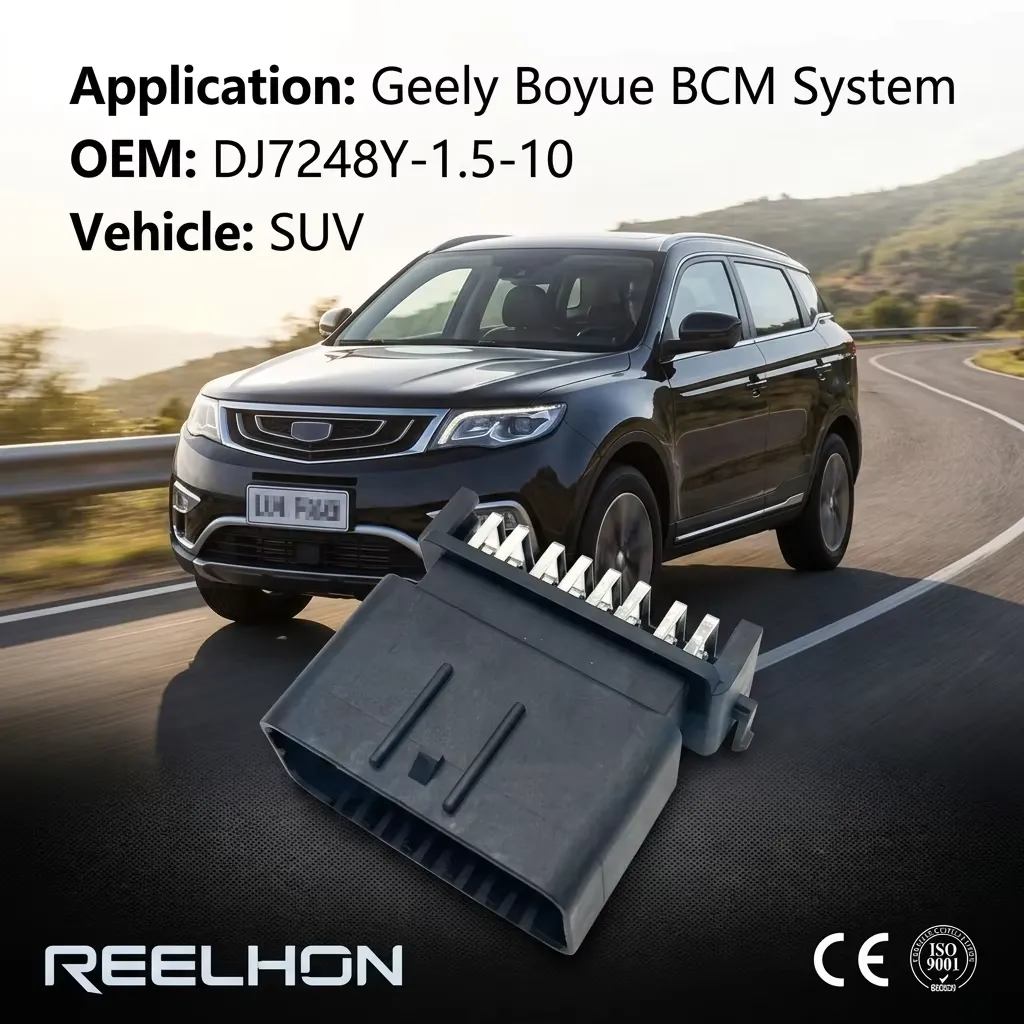
Power inverter systems in modern vehicles demand specialized connectivity solutions that go far beyond standard automotive wiring. Auto electrical connectors designed specifically for inverter applications must handle variable voltage levels, support rapid power transfers, and maintain consistent performance across demanding thermal and operational conditions. Understanding how custom auto electrical connectors function within inverter systems is essential for engineers, manufacturers, and fleet operators who depend on reliable power conversion in electric and hybrid vehicles. This guide explores the critical role of auto electrical connectors in power inverter architecture, their design specifications, and best practices for selecting solutions that deliver sustained performance.
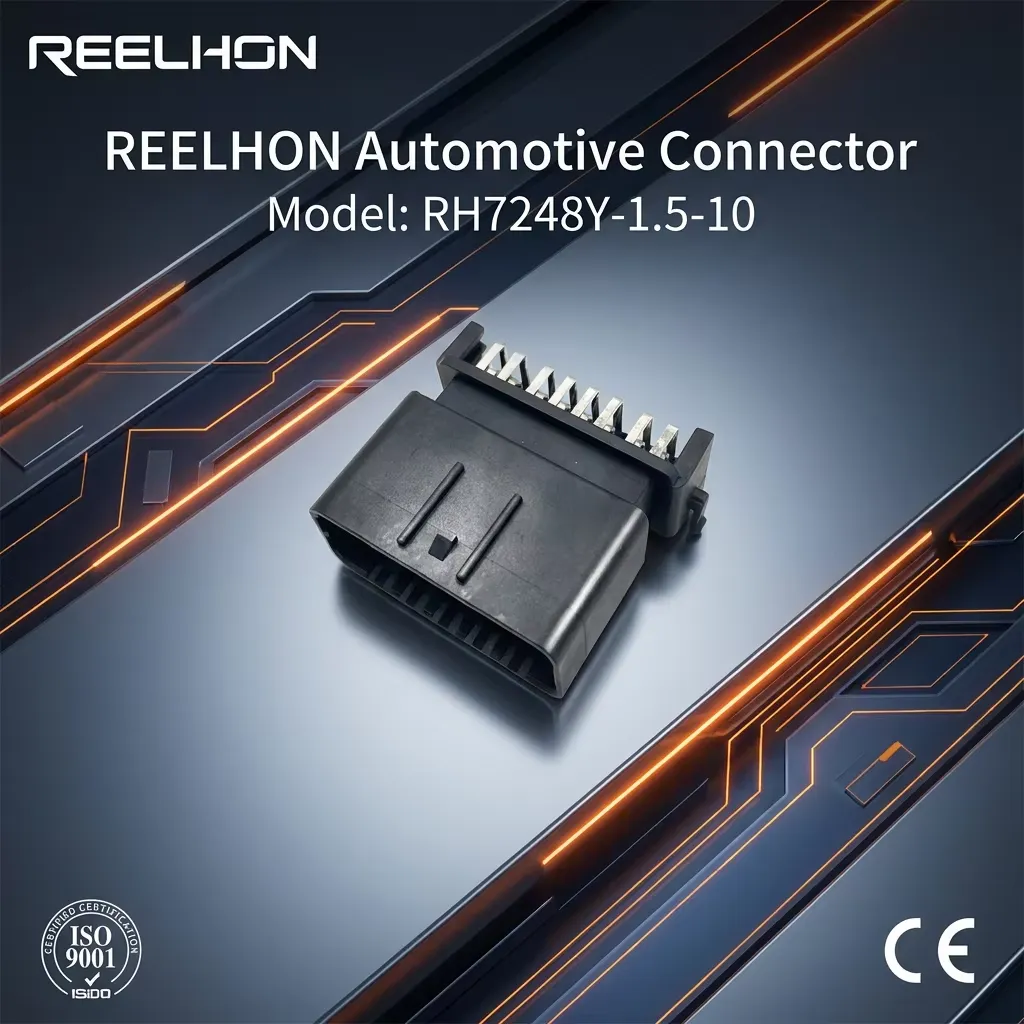
Inverter systems convert direct current (DC) from battery packs into alternating current (AC) for vehicle loads, requiring connectors that withstand significant electrical stress and thermal cycling. Auto electrical connectors must meet stringent automotive standards while supporting the unique demands of inverter topology, including multi-pin configurations, sealed housings, and precise contact geometry. The performance of your inverter system depends entirely on the reliability and specification accuracy of the auto electrical connectors that interface between power stages, control modules, and load distribution networks.
Design Requirements for Auto Electrical Connectors in Inverter Systems
Voltage and Current Handling Capacity
Auto electrical connectors for power inverters must safely manage voltage levels typically ranging from 12V to 48V DC systems, with some applications demanding support for higher voltage architectures. The contact resistance of auto electrical connectors directly influences power efficiency and thermal generation within the inverter circuit. When selecting auto electrical connectors, verify that contact material composition—typically gold-plated copper or silver alloys—provides the conductivity and corrosion resistance necessary for sustained operation. Current carrying capacity must exceed peak inverter output requirements by at least 20 percent to prevent connector degradation and ensure safety margins during high-load transients.
Thermal Management and Environmental Sealing
Engine compartment and underbody environments expose auto electrical connectors to extreme temperatures, moisture intrusion, and vibration stress that conventional connectors cannot withstand. Custom auto electrical connectors for inverter applications incorporate rubber sealing compounds, waterproof housings, and strain relief features that prevent water ingress and cable separation under mechanical shock. Polyamide or polyphenylene sulfide housings for auto electrical connectors provide superior thermal stability compared to standard thermoplastic materials, maintaining electrical integrity across temperature swings from minus 40 degrees Celsius to plus 125 degrees Celsius. Sealed contact cavities within auto electrical connectors eliminate corrosion pathways that would otherwise degrade signal quality and connection reliability.
Electrical Performance and Connector Specifications
Contact Geometry and Mating Cycles
The precision of contact alignment in auto electrical connectors directly determines connection reliability and long-term performance. Auto electrical connectors engineered for inverter duty cycles typically support 500 to 1000 mate-unmated cycles before contact wear becomes measurable, with premium designs extending to 10,000 cycles for applications requiring frequent service interventions. Gold plating thickness on auto electrical connectors must meet minimum standards of 0.5 micrometers to ensure consistent low-resistance contacts across the connector lifecycle. Keying features and polarization mechanisms built into auto electrical connectors prevent reverse insertion errors that could damage inverter controllers or create dangerous fault conditions.
Signal Integrity and Noise Management
Power inverters generate electromagnetic interference (EMI) during switching operations, requiring auto electrical connectors with shielded contact arrays and grounding paths that suppress noise coupling into control circuits. The design of auto electrical connectors must incorporate ferrite cores, shielded cable entry points, and low-inductance current paths that maintain signal fidelity in adjacent control channels. Properly specified auto electrical connectors reduce conducted and radiated EMI by 20 to 30 decibels, preventing false triggering of safety systems and ensuring stable inverter regulation across variable load conditions. Separation of power and signal pins within auto electrical connectors minimizes crosstalk and enables reliable communication between the inverter and vehicle management systems.
Application Scenarios and Selection Criteria
Hybrid Vehicle Power Architecture Integration
Hybrid electric vehicles require custom auto electrical connectors that interface between the inverter module, battery management systems, and AC motor controllers without introducing failure points in the critical power chain. Auto electrical connectors in these applications must support simultaneous DC power delivery and pulse-width modulation (PWM) control signals, demanding multi-pin configurations with segregated power and logic networks. The inverter harness design depends on selecting auto electrical connectors with sufficient pin count, current rating, and environmental sealing to support both charging circuits and motor drive functions throughout the vehicle operational envelope. Integration testing confirms that auto electrical connectors maintain electrical continuity and isolation specifications under the combined thermal, electrical, and mechanical stresses typical of hybrid powertrains.
Battery Electric Vehicle Charging System Connections
Battery electric vehicles utilize on-board inverters for bidirectional charging and AC load management, creating application scenarios where custom auto electrical connectors must handle rapid current direction reversals and fast charging transients. Auto electrical connectors for charging systems require current ratings up to 200 amps and voltage isolation specifications that exceed standard automotive requirements, with safety-critical functions demanding redundant pin configurations. The selection of auto electrical connectors for battery-to-inverter and inverter-to-vehicle pathways must account for simultaneous thermal loading, electrical transients, and long-term aging effects that progressively degrade contact surfaces. Fleet operators depend on auto electrical connectors that minimize charging downtime and eliminate intermittent connection faults that reduce vehicle availability.
FAQ
What voltage ratings should auto electrical connectors support in 48V inverter systems?
Auto electrical connectors for 48V inverter applications must be rated for continuous operation at 60V minimum to accommodate inductive transient spikes, charging circuit overvoltage conditions, and parasitic voltage rises during fault events. Standard automotive connectors rated for 12V or 24V will fail catastrophically when exposed to 48V stress, resulting in arcing, contact fusion, and potential fire hazards. Specify auto electrical connectors with UL 1977 or ISO 6722-2 certification to ensure that voltage ratings, creepage distances, and dielectric strengths align with 48V system safety requirements.
How do gold-plated contacts in auto electrical connectors improve inverter reliability?
Gold plating on auto electrical connectors reduces contact resistance by 90 percent compared to bare copper contacts, directly lowering power dissipation and junction temperatures within the connector cavity. The corrosion resistance of gold prevents oxidation and tarnishing that would progressively increase resistance over months of operation, maintaining consistent electrical performance across the connector lifecycle. Auto electrical connectors with proper gold plating thickness (0.5 to 2.5 micrometers) preserve mating surface integrity through thousands of connect-disconnect cycles, whereas nickel or tin-plated alternatives exhibit visible degradation and resistance drift after 100 to 200 cycles.
Can standard automotive connectors be used for power inverter applications?
Standard automotive connectors are engineered for low-power control circuits and lighting applications typically operating below 20 amps, making them unsuitable for the 100+ amp power delivery demands of inverter systems. Auto electrical connectors designed specifically for inverter duty incorporate heavy-duty contact springs, oversized conductor paths, and environmental sealing specifications that standard connectors lack. Using non-rated auto electrical connectors in inverter applications creates unacceptable fire risk, warranty voidance, and potential product liability exposure that manufacturers and integrators cannot ignore.