
 EN
In automotive engineering, the reliability of every electrical junction directly affects vehicle safety and performance. A 2 pin connector may appear simple in design, but its role in under-hood wiring systems is anything but minor. When a 2 pin connector is exposed to engine heat, vibration, moisture, and chemical contamination, its shell material and locking mechanism determine whether the circuit holds or fails. Understanding what makes a 2 pin connector truly durable for harsh under-hood environments is essential for engineers, procurement specialists, and automotive technicians alike.
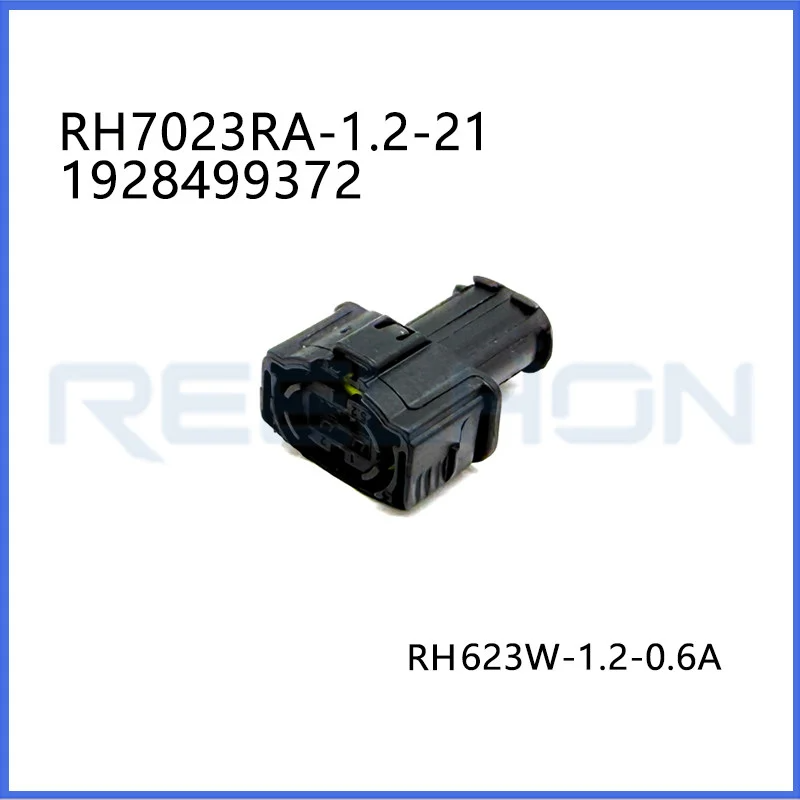
The under-hood zone is one of the most demanding environments a 2 pin connector will ever face. Temperatures regularly exceed 120 degrees Celsius near the engine block, and wide thermal cycling stresses both the shell and the internal terminals. A quality 2 pin connector must maintain a secure mechanical and electrical connection through thousands of cycles without cracking, loosening, or corroding. This article explains the structural characteristics, material standards, and selection logic that define a dependable 2 pin connector for under-hood applications.
Why Under-Hood Conditions Demand Specialized Connector Shells
Thermal and Chemical Stress on a 2 Pin Connector
The engine compartment exposes a 2 pin connector to sustained radiant heat, oil mist, coolant splashes, and cleaning solvents. Standard plastic housings that work well in cabin wiring will crack, warp, or become brittle when subjected to these stresses repeatedly. A 2 pin connector designed for under-hood use must be molded from high-temperature-rated polyamide or glass-filled nylon, materials capable of maintaining dimensional stability at elevated temperatures. When the shell of a 2 pin connector deforms even slightly, terminal alignment is compromised, creating intermittent contact resistance that is notoriously difficult to diagnose in the field.
Chemical resistance is equally critical. Engine degreaser, brake fluid, and road salt can each degrade an unprotected 2 pin connector shell over time. Manufacturers address this by formulating shell resins with resistance to hydrocarbons, acids, and alkaline solutions. When evaluating a 2 pin connector for under-hood placement, verifying the shell material's chemical resistance rating against the specific fluids present in that vehicle's engine bay is a practical step that prevents premature failure.
Vibration and Mechanical Retention in a 2 Pin Connector
Engine vibration transmits directly to every mounted component, including each 2 pin connector in the harness. Without adequate retention, a 2 pin connector can work loose incrementally, eventually causing open-circuit faults. Robust locking tabs, secondary lock mechanisms, and positive-latch designs are the primary engineering solutions built into a high-quality 2 pin connector for this environment. A secondary position assurance clip on a 2 pin connector adds a second layer of mechanical security beyond the primary latch, ensuring that vibration alone cannot unseat the mating halves. This dual-retention approach is now considered standard practice for any 2 pin connector routed near moving engine components.
Key Structural Features of a Durable 2 Pin Connector Shell
Terminal Protection and Sealing in a 2 Pin Connector
A sealed 2 pin connector incorporates individual wire seals and a face seal at the mating interface, collectively preventing moisture ingress that would otherwise accelerate terminal corrosion. The IP67 or IP69K rating assigned to an automotive 2 pin connector indicates its verified resistance to water immersion and high-pressure wash, both conditions plausible in aggressive under-hood environments. When specifying a 2 pin connector for a sensor circuit or actuator near the engine block, confirming the ingress protection rating ensures compliance with both OEM specifications and real-world performance expectations.
Terminal material also influences long-term durability. A 2 pin connector fitted with tin-plated or gold-plated brass terminals delivers lower contact resistance and better corrosion protection than uncoated alternatives. The combination of a sealed 2 pin connector shell and plated terminals creates a system where the electrical path remains stable even after years of thermal cycling and moisture exposure. Procurement teams should request terminal plating specifications whenever sourcing a 2 pin connector intended for high-reliability under-hood circuits.
Shell Geometry and Wire Accommodation in a 2 Pin Connector
The physical layout of a 2 pin connector shell determines how the harness routes through the engine bay. A compact 2 pin connector with a right-angle entry configuration reduces strain on the wire at the termination point, a common cause of premature failure near engine brackets. Strain relief features integrated into the 2 pin connector body, such as a molded cable guide or a separate boot, distribute bending forces over a longer wire segment rather than concentrating stress at the crimp barrel. Selecting a 2 pin connector with proper wire gauge accommodation ensures that the ferrule grips the conductor correctly, maintaining both electrical conductivity and pull-out force compliance.
Selecting the Right 2 Pin Connector for Your Application
Matching the 2 Pin Connector to Circuit Requirements
Not every 2 pin connector is rated for the same current or voltage range. A 2 pin connector used in a sensor signal circuit carries only milliamps, while a 2 pin connector wiring a cooling fan relay may carry several amps continuously. Selecting a 2 pin connector with the appropriate current rating prevents thermal damage to the shell and terminals under load. Over-specifying a 2 pin connector for a low-current circuit wastes cost and space; under-specifying risks safety. Matching the 2 pin connector specification precisely to the electrical load is the foundation of reliable harness design.
Position in the vehicle also matters. A 2 pin connector mounted near the exhaust manifold needs a higher thermal rating than one near the air filter box. Reviewing the continuous operating temperature specification on the 2 pin connector datasheet against the expected ambient temperature at the mounting location prevents misapplication. When detailed thermal mapping data is available, it directly guides 2 pin connector selection and can justify the added cost of a higher-grade shell material.
Quality Verification for a 2 Pin Connector Procurement Decision
For production-volume sourcing, requesting qualification test reports for each 2 pin connector type is standard practice in responsible procurement. Relevant tests for an under-hood 2 pin connector include thermal shock cycling, salt spray endurance, vibration durability, and mating force consistency. A 2 pin connector that passes these tests provides documented assurance of performance under the conditions it will actually encounter. Requesting samples and performing incoming inspection before committing to a full 2 pin connector order further reduces procurement risk, especially when the 2 pin connector will be integrated into safety-relevant vehicle circuits.
FAQ
What temperature range should a 2 pin connector handle for under-hood use?
A 2 pin connector for under-hood applications should typically be rated for continuous operation between negative 40 and positive 125 degrees Celsius, with some high-proximity-to-engine locations requiring ratings up to 150 degrees. Always verify the shell material rating against your specific mounting position thermal data before specifying a 2 pin connector.
How do I know if a 2 pin connector is sealed against moisture ingress?
A sealed 2 pin connector will carry an IP rating such as IP67 or IP69K on its datasheet or product specification sheet. This rating confirms that the 2 pin connector has been tested for water resistance under defined conditions. Look for both wire entry seals and a mating face seal in the 2 pin connector design to confirm full environmental protection.
Can a standard 2 pin connector be used in place of an automotive-grade 2 pin connector under the hood?
Substituting a standard 2 pin connector for an automotive-grade 2 pin connector in an under-hood environment is not recommended. Standard 2 pin connector shells are not formulated for the thermal cycling, vibration, or chemical exposure present in engine bays. Using a non-automotive 2 pin connector in these conditions risks premature failure, intermittent faults, and potential safety incidents. Always use a 2 pin connector specifically designed and tested for automotive under-hood environments.