automotive plugs and connectors
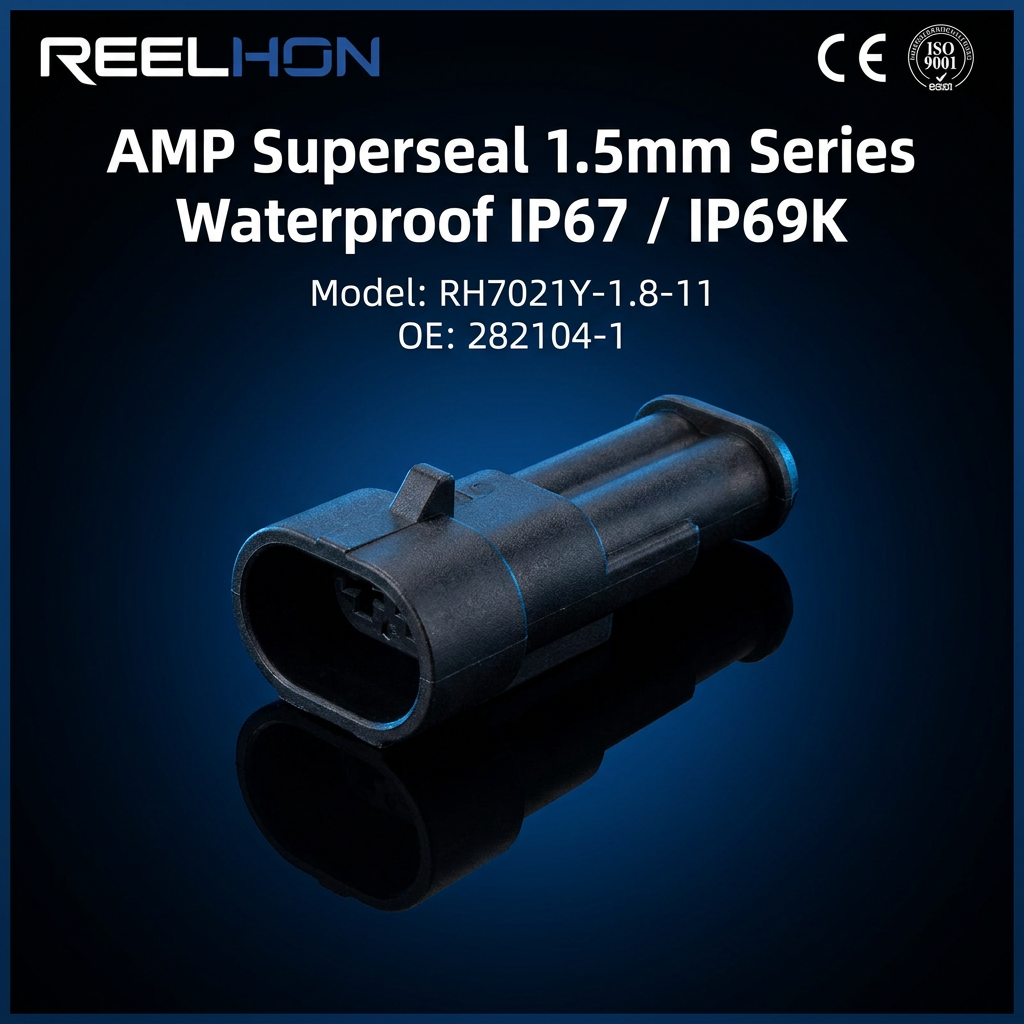
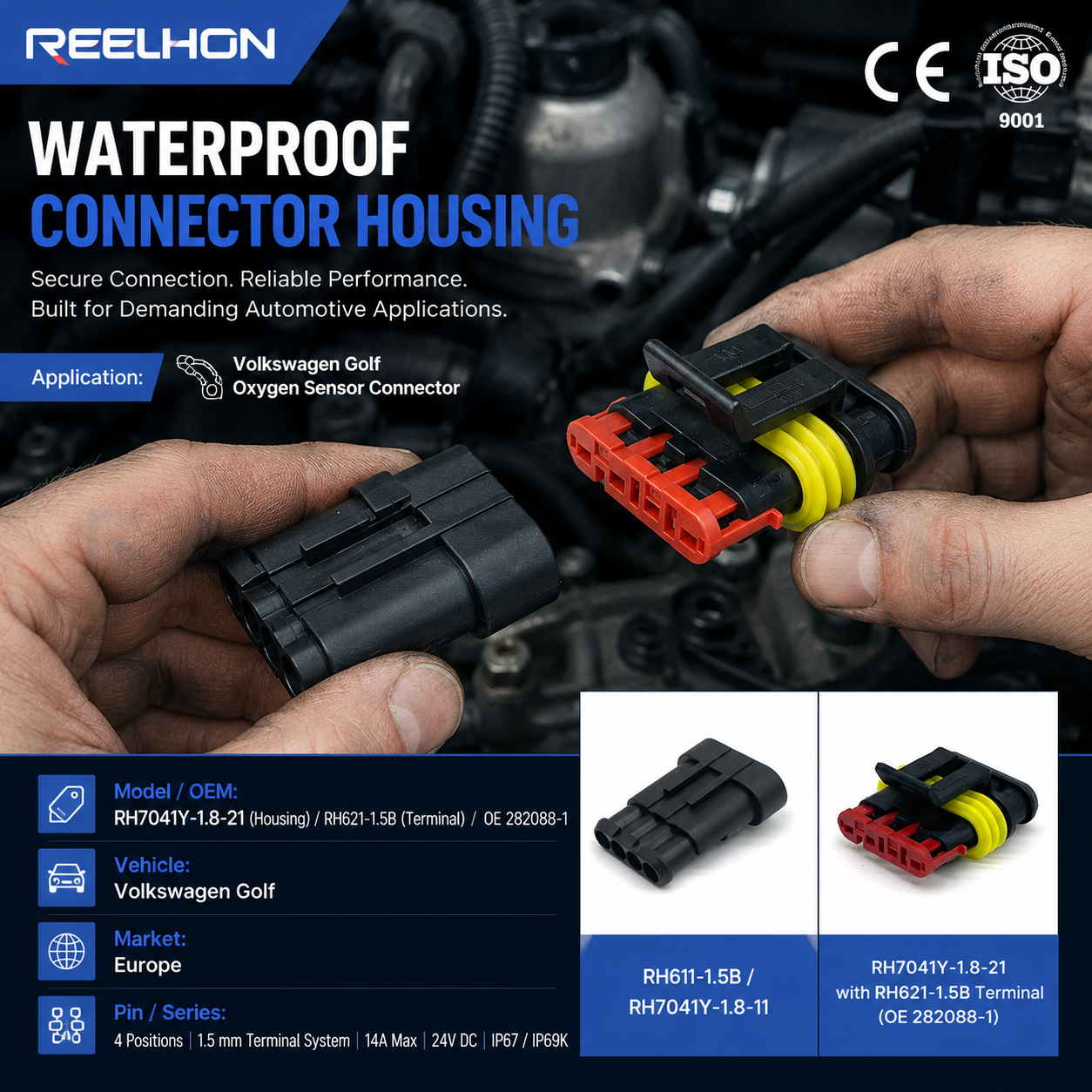
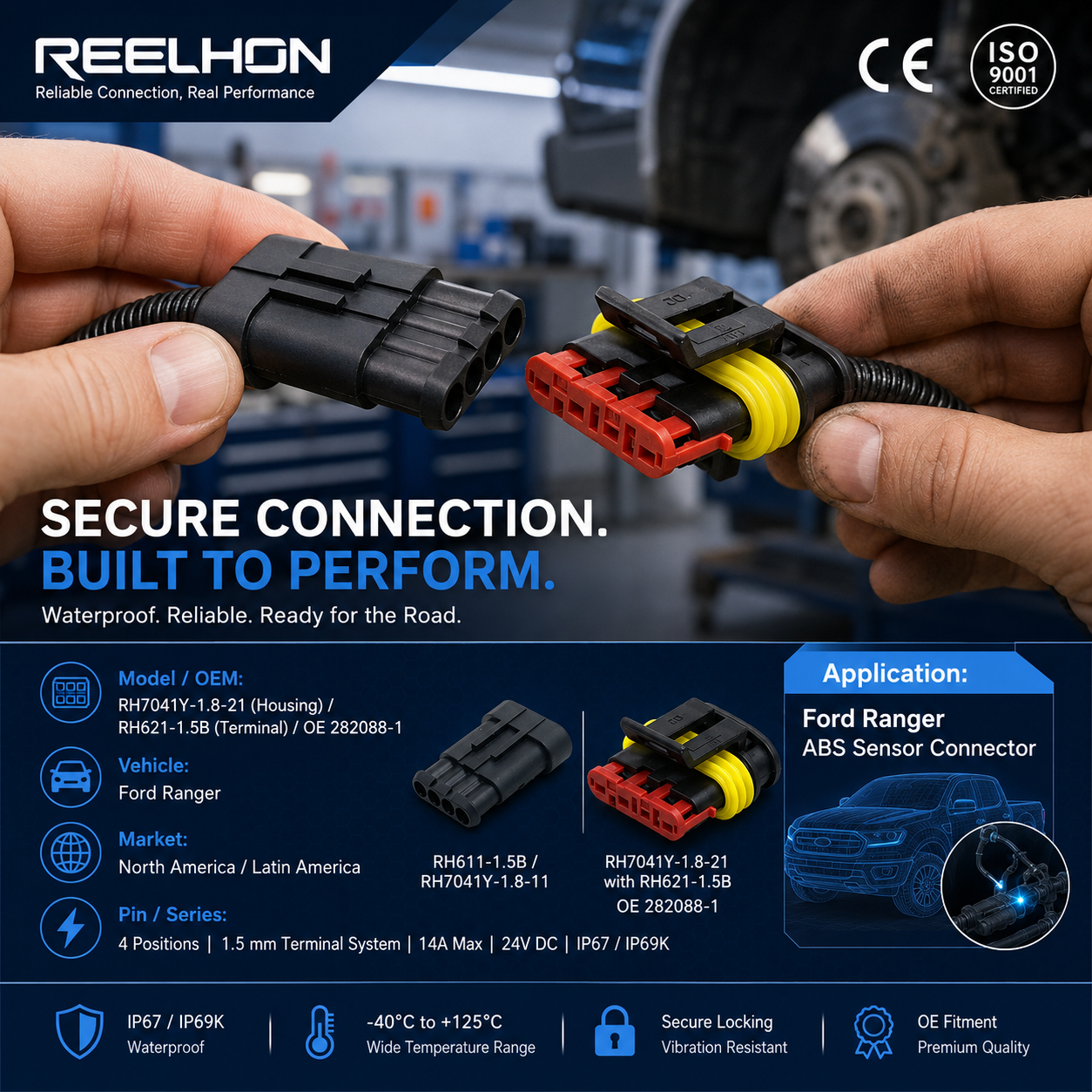
Automotive plugs and connectors are essential electrical components that establish reliable connections between various electronic systems within modern vehicles. These specialized devices facilitate the transmission of power and data signals across critical automotive applications, including engine management systems, infotainment units, safety features, lighting assemblies, and sensor networks. Automotive plugs and connectors are engineered to withstand the demanding conditions found in vehicle environments, such as extreme temperatures ranging from minus forty to over one hundred fifty degrees Celsius, constant vibration, moisture exposure, chemical contamination, and electromagnetic interference. The technological features of automotive plugs and connectors include precision-molded housings manufactured from high-grade thermoplastic materials, corrosion-resistant contact terminals typically made from copper alloys with gold or tin plating, integrated sealing systems using silicone or EPDM rubber gaskets, and secure locking mechanisms that prevent accidental disconnection during operation. These components comply with stringent automotive industry standards and undergo rigorous testing protocols to ensure long-term reliability and safety performance. Applications span across passenger vehicles, commercial trucks, electric vehicles, hybrid systems, and specialized automotive equipment. The growing complexity of vehicle electronics and the transition toward electrification have increased the importance of automotive plugs and connectors, making them indispensable for ensuring seamless communication between electronic control units, power distribution networks, and sensor arrays that enable advanced driver assistance systems and autonomous driving capabilities.

 EN


