car wire connector types
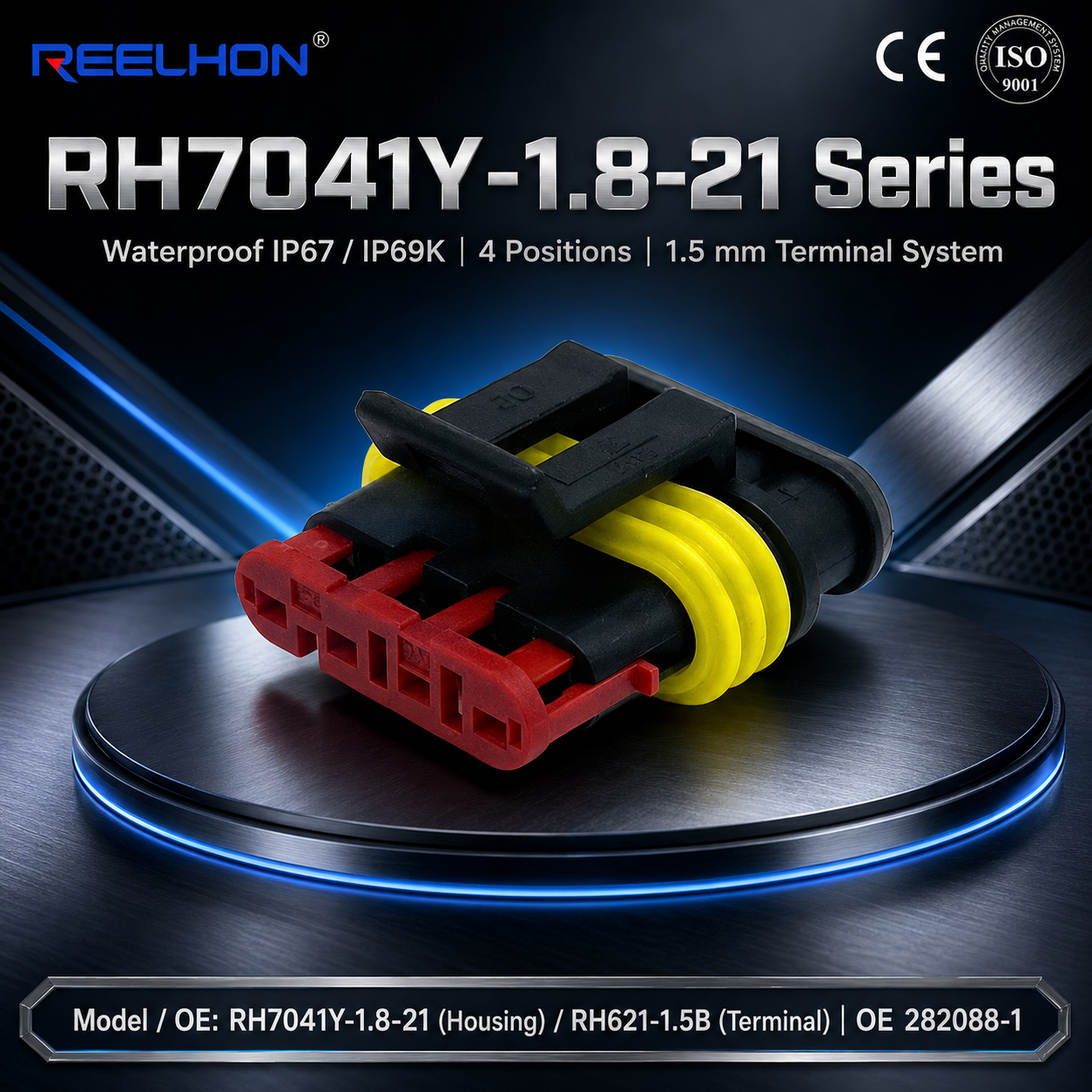
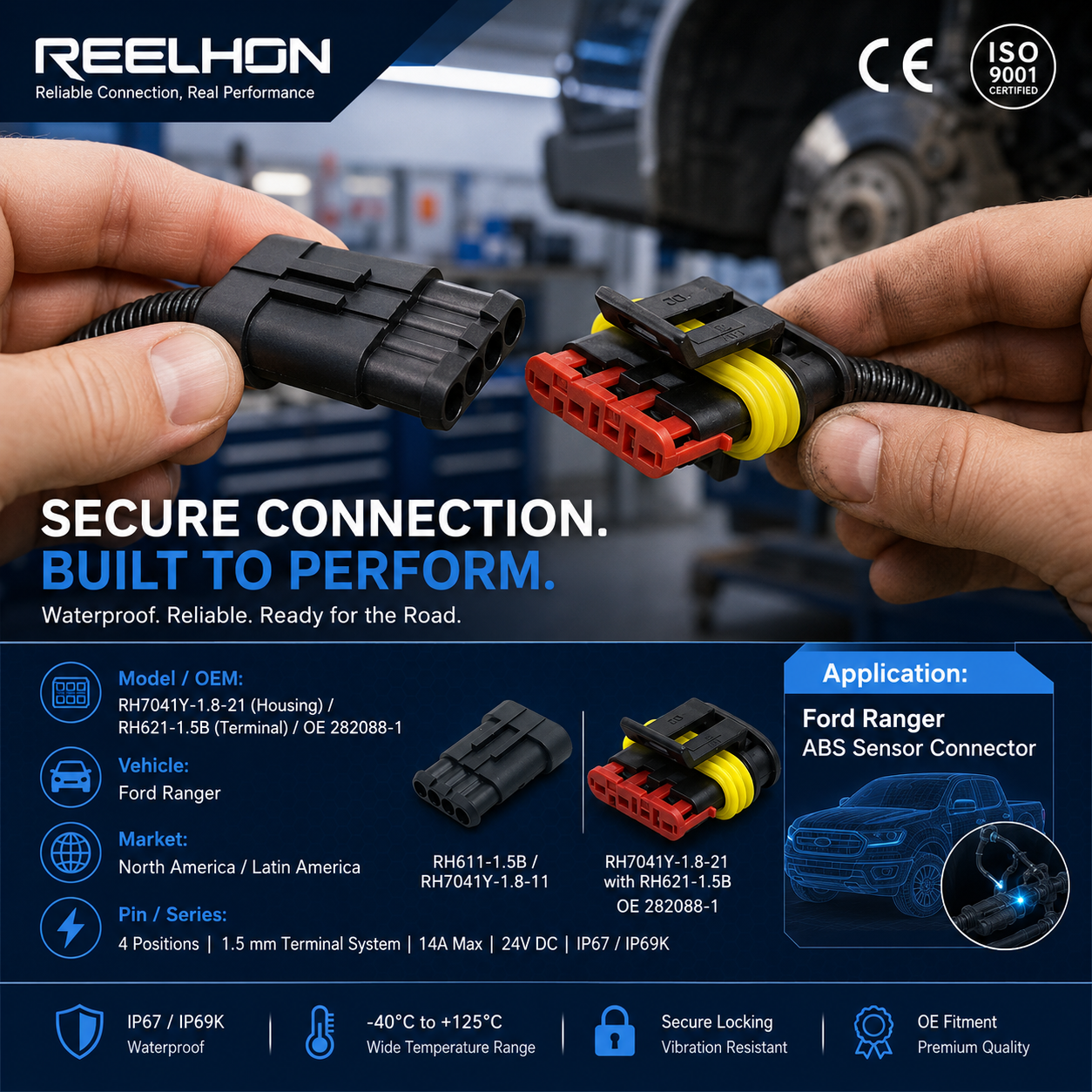
Car wire connector types are essential components in automotive electrical systems that facilitate secure and reliable connections between various electrical circuits and devices. These connectors enable power distribution, signal transmission, and data communication throughout modern vehicles. The automotive industry utilizes multiple car wire connector types, each designed to meet specific requirements for voltage levels, current capacity, environmental resistance, and application demands. Common categories include blade connectors for general wiring, weatherpack connectors for moisture-prone areas, Deutsch connectors for heavy-duty applications, and sealed connectors for extreme conditions. Understanding car wire connector types helps technicians, mechanics, and automotive enthusiasts select appropriate solutions for repairs, modifications, and installations. These connectors feature varying pin configurations, ranging from single-pin to multi-pin arrangements that accommodate complex wiring harnesses. Modern car wire connector types incorporate advanced materials such as corrosion-resistant metals and high-temperature plastics to ensure longevity under harsh operating conditions including vibration, heat, moisture, and chemical exposure. The connectors employ locking mechanisms like snap-fit, twist-lock, or lever-style designs to prevent accidental disconnection during vehicle operation. Proper selection among car wire connector types requires consideration of factors including wire gauge compatibility, current rating, voltage specifications, sealing requirements, and mounting options to ensure optimal performance and safety in automotive electrical systems.



 EN


