
 EN

The supply chain for automotive parts relies heavily on efficient sourcing and distribution of critical components, and auto electrical connectors stand at the center of this operation. Parts distribution chains across North America and beyond depend on reliable wholesale suppliers to maintain inventory of auto electrical connectors that meet industry specifications, vehicle compatibility standards, and durability requirements. Understanding how to source quality auto electrical connectors at scale is essential for distributors, fleet operators, and independent repair shops that need consistent access to these components.
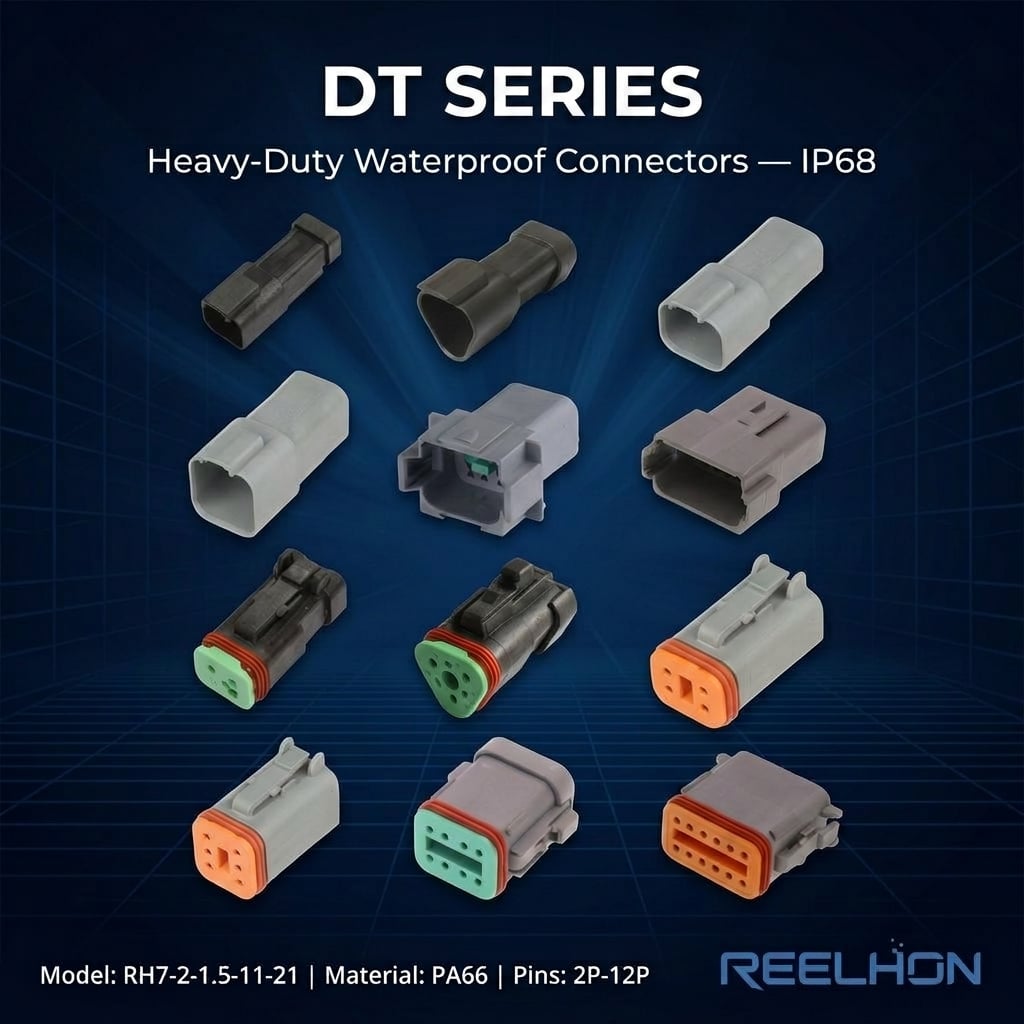
Wholesale sourcing of auto electrical connectors requires knowledge of connector types, pin configurations, material specifications, and environmental ratings relevant to different vehicle applications. Distribution channels must evaluate suppliers not only on pricing and volume capacity but also on quality assurance, lead times, technical documentation, and support for custom requirements. The connector market encompasses multiple connector families used across engine compartments, transmission systems, lighting assemblies, and electronic control modules, making supplier expertise and inventory depth critical to serving diverse customer needs.
Core Types and Specifications of Auto Electrical Connectors
Understanding Common Connector Families in Wholesale Distribution
Auto electrical connectors come in numerous standardized families, each designed for specific automotive applications and environmental conditions. Heavy-duty auto electrical connectors like DT and DTP series are engineered for engine compartment mounting, where they face vibration, moisture, salt spray, and temperature cycling. Standard automotive connectors include terminal blocks, sealed connectors, and multi-pin housings that accommodate different amperage and voltage requirements. Wholesale suppliers maintain inventory across these connector families because individual distributors and repair chains cannot afford to stock every variation independently. Understanding pin configurations, terminal materials, and sealing methods helps distribution managers identify which auto electrical connectors meet their customer base's specific repair and replacement needs.
Material Standards and Environmental Ratings for Distribution Networks
Specification compliance is non-negotiable in wholesale auto electrical connectors distribution. Connectors must meet SAE, ISO, and OEM standards that govern terminal materials, connector housings, contact pressure, and environmental sealing. Moisture ingress, corrosion resistance, and temperature stability determine the service life of auto electrical connectors in the field, directly impacting customer satisfaction and warranty performance. Wholesale suppliers that certify their auto electrical connectors against automotive industry standards provide distribution chains with the documentation and traceability required for liability protection and customer confidence. Material certifications, lead-free compliance, and RoHS adherence have become baseline expectations across North American and European parts distribution networks.
Sourcing Strategies for Wholesale Auto Electrical Connectors
Building Supplier Relationships and Volume Agreements
Successful distribution chains develop long-term supplier relationships with manufacturers and distributors of auto electrical connectors that can support consistent volume, flexible order timing, and responsive customer service. Volume agreements allow parts distributors to negotiate better pricing on auto electrical connectors while securing priority access to inventory during supply-constrained periods. Suppliers of wholesale auto electrical connectors typically offer tiered pricing, minimum order quantities, and lead time commitments that align with distributor forecasting models. Establishing technical support channels with connector manufacturers ensures that distribution teams can quickly resolve compatibility questions, sourcing gaps, or field performance issues involving auto electrical connectors. Regular communication with suppliers about upcoming demand patterns, new vehicle platforms, and OEM changes helps distributors maintain relevant inventory of auto electrical connectors without excessive carrying costs.
Inventory Management and Logistics Optimization
Distribution chains must balance inventory depth across auto electrical connectors against storage costs, obsolescence risk, and capital constraints. Strategic inventory positioning at regional distribution centers ensures that popular auto electrical connectors reach customers quickly while minimizing overall logistics expense. Cross-docking arrangements with wholesale suppliers of auto electrical connectors enable distributors to serve high-velocity orders without accumulating slow-moving stock. Data analytics on sales velocity, regional demand, and seasonal patterns inform purchasing decisions for auto electrical connectors, preventing stockouts and excess inventory simultaneously. Many distribution networks implement just-in-time ordering for specialized or low-demand auto electrical connectors while maintaining safety stock for frequently requested connector types that support rapid repair turnaround.
Quality Assurance and Risk Management in Auto Electrical Connectors Distribution
Testing Standards and Compliance Verification
Parts distribution chains cannot afford field failures caused by defective auto electrical connectors, as warranty claims, customer dissatisfaction, and safety liability create cascading costs. Quality assurance protocols for wholesale auto electrical connectors must include incoming inspection, sample testing, and batch traceability from the manufacturer. Distributors working with suppliers of auto electrical connectors should require documentation of dimensional verification, contact resistance testing, and environmental durability validation before accepting bulk shipments. Certification marks and third-party audit reports provide objective evidence that auto electrical connectors meet specified standards, reducing procurement risk and supporting customer confidence in distributed parts. Testing capabilities and failure analysis procedures ensure that distribution centers can quickly identify defective lots of auto electrical connectors and coordinate replacement or return procedures with suppliers.
Supply Chain Resilience and Contingency Planning
Global supply disruptions, geopolitical uncertainty, and manufacturing delays periodically constrain availability of critical auto electrical connectors across distribution networks. Prudent distributors maintain multiple suppliers for high-demand auto electrical connectors, reducing dependency on any single source and enabling rapid pivot if primary suppliers face delays or quality issues. Geographic diversification of auto electrical connector suppliers provides resilience against regional supply shocks while potentially offering cost optimization through competitive sourcing. Contingency inventory of core auto electrical connectors during periods of normal supply helps distribution chains weather short-term disruptions without service failures. Collaborative planning with customers regarding substitute connector types and backward-compatible alternatives enables distribution networks to serve demand even when preferred auto electrical connectors become temporarily unavailable. Building flexibility into specifications and cross-compatibility documentation allows distribution teams to substitute auto electrical connectors when supply or timing constraints require alternative solutions.
FAQ
What factors should distribution chains prioritize when selecting wholesale auto electrical connectors suppliers?
Distribution chains should evaluate suppliers of auto electrical connectors on product quality certifications, inventory breadth, lead time reliability, technical support capabilities, and pricing consistency. The supplier's ability to provide detailed specifications, material documentation, and traceability records for auto electrical connectors directly supports compliance and customer confidence. Volume discount structures, minimum order flexibility, and willingness to develop custom auto electrical connectors solutions for specific customer segments indicate supplier sophistication and commitment to partnership. Geographic location and logistics network also influence selection, as proximity to distribution centers reduces shipping time and cost for auto electrical connectors. References from industry peers and performance history with similar-sized distribution operations help validate supplier reliability for wholesale auto electrical connectors.
How do distribution chains ensure quality consistency across different suppliers of auto electrical connectors?
Quality consistency begins with establishing written specifications and testing protocols that all suppliers of auto electrical connectors must follow before shipment. Distribution centers should perform incoming inspections on sample auto electrical connectors from each supplier shipment, verifying dimensional accuracy, terminal function, and sealing integrity. Third-party certifications from recognized testing laboratories provide independent verification that auto electrical connectors meet industry standards, reducing reliance on supplier self-certification alone. Documentation systems that track supplier performance metrics including on-time delivery, defect rates, and customer returns create objective data for supplier evaluation and continuous improvement discussions regarding auto electrical connectors quality. Regular supplier audits and collaborative problem-solving sessions reinforce quality expectations and demonstrate commitment to maintaining high standards across all auto electrical connectors in the distribution network.
What emerging trends are affecting wholesale auto electrical connectors sourcing and distribution?
Electrification of vehicle platforms is driving demand for high-voltage auto electrical connectors designed for battery systems, electric motors, and charging infrastructure, requiring suppliers to develop new connector families. Automotive automation and advanced driver assistance systems increase complexity of vehicle electrical architecture, creating demand for specialized auto electrical connectors with enhanced signal integrity and environmental protection. Sustainability initiatives and supply chain transparency requirements push distributors to source auto electrical connectors from suppliers demonstrating environmental responsibility, labor compliance, and ethical sourcing practices. Digital platforms and API integration between suppliers, distributors, and customers are streamlining inventory visibility and order management for auto electrical connectors across distribution networks. Investment in predictive analytics and demand forecasting tools helps distribution chains optimize auto electrical connectors inventory levels while minimizing working capital tied up in slow-moving stock.
Table of Contents
- Core Types and Specifications of Auto Electrical Connectors
- Sourcing Strategies for Wholesale Auto Electrical Connectors
- Quality Assurance and Risk Management in Auto Electrical Connectors Distribution
-
FAQ
- What factors should distribution chains prioritize when selecting wholesale auto electrical connectors suppliers?
- How do distribution chains ensure quality consistency across different suppliers of auto electrical connectors?
- What emerging trends are affecting wholesale auto electrical connectors sourcing and distribution?