
 EN
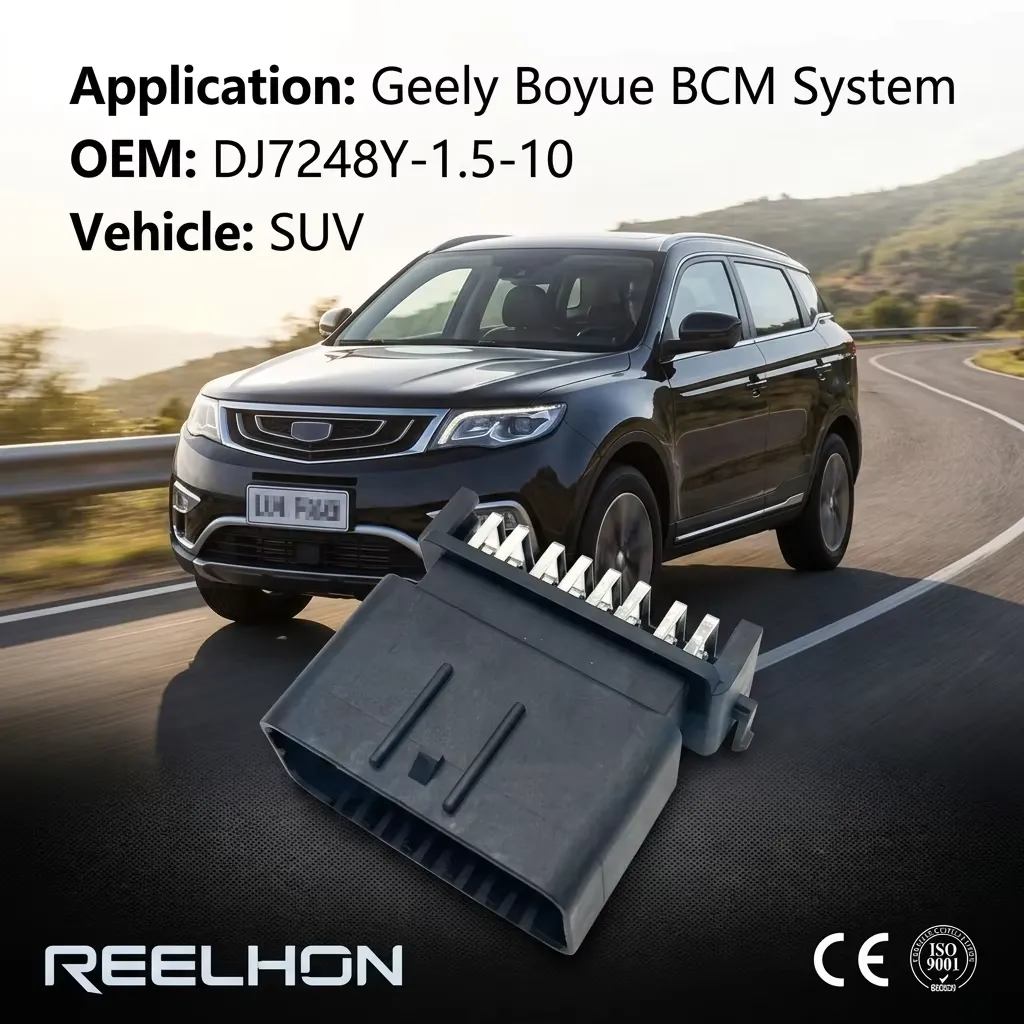
Auto electrical connectors serve as the critical interface between power sources, control modules, and electrical systems in modern vehicle chassis. These precision components ensure reliable signal transmission and power distribution across distributed electronic systems, from battery management to sensor networks. Understanding the role of auto electrical connectors in contemporary automotive architecture is essential for engineers, procurement specialists, and systems integrators working with advanced chassis platforms.
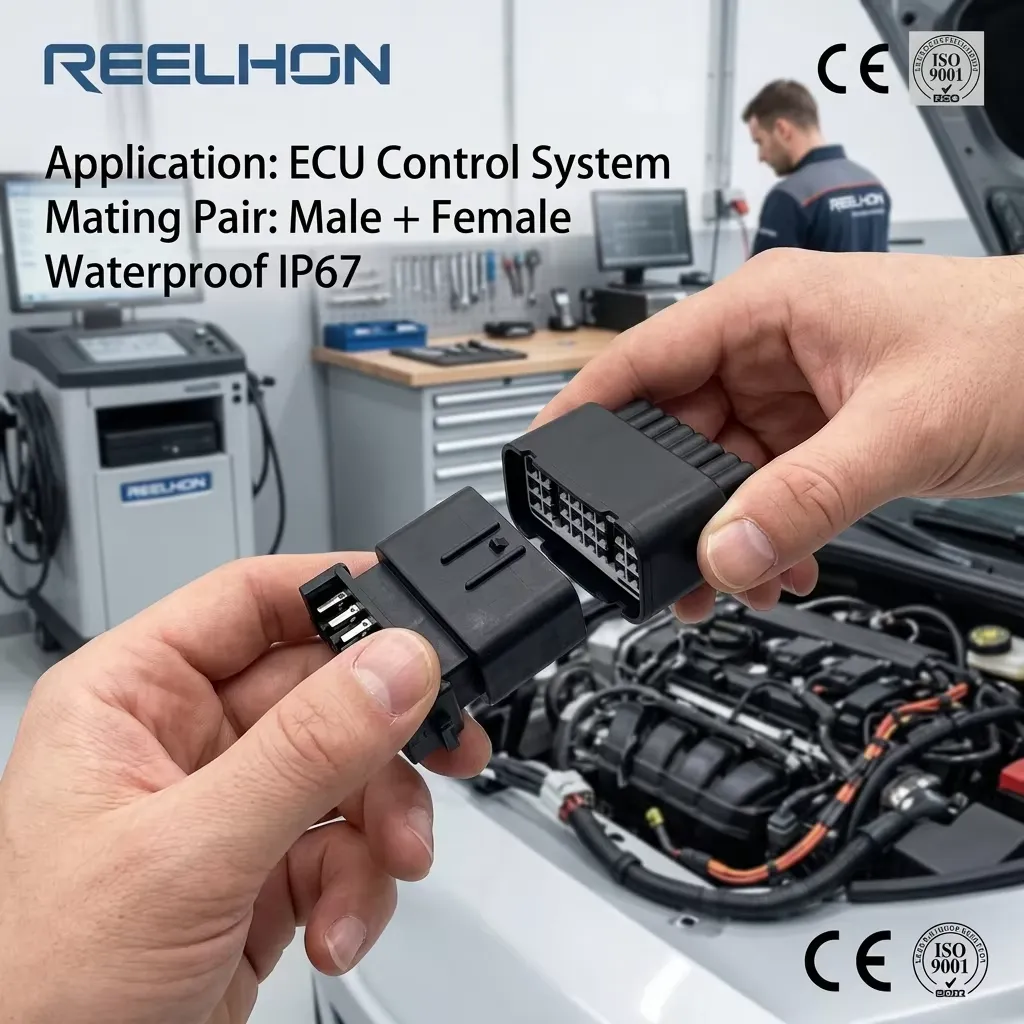
Modern vehicles demand sophisticated electrical architecture where auto electrical connectors bridge multiple voltage domains, from 12-volt auxiliary systems to 48-volt mild-hybrid networks and high-voltage battery systems. The performance characteristics of auto electrical connectors directly impact system reliability, diagnostic capability, and longevity. Selecting appropriate auto electrical connectors requires knowledge of environmental exposure, vibration resistance, thermal cycling, moisture ingress protection, and electromagnetic compatibility standards specific to chassis applications.
Core Requirements for Auto Electrical Connectors in Chassis Systems
Voltage and Current Specifications
Auto electrical connectors must accommodate multiple voltage classes within a single vehicle platform. Traditional 12-volt systems remain prevalent, but emerging chassis architectures integrate 24-volt commercial vehicle networks, 48-volt mild-hybrid powertrains, and high-voltage battery interfaces. Each voltage class demands distinct insulation ratings, contact materials, and mating configurations in auto electrical connectors. Current capacity varies significantly based on application, ranging from milliamp signal-level interfaces in sensor networks to hundreds of amperes in power distribution modules where auto electrical connectors handle main battery connections and distribution feeds.
Environmental and Mechanical Durability
Automotive chassis environments expose auto electrical connectors to extreme thermal cycling, salt spray, fuel vapor, hydraulic fluid contact, and mechanical vibration across millions of operating hours. Effective auto electrical connectors incorporate sealed contact chambers, hydrophobic vents, and corrosion-resistant plating systems that prevent moisture ingress and oxidation. Mechanical durability requires robust mating cycles, retention features that withstand vibration-induced disconnection, and robust latching mechanisms. Temperature performance for auto electrical connectors typically spans minus 40 to plus 125 degrees Celsius, with specialized applications requiring extended ranges for engine bay positioning or extreme climate markets.
Design Standards and Certification for Auto Electrical Connectors
Industry Compliance Frameworks
Auto electrical connectors must meet stringent international standards including ISO 6722 for commercial vehicle electrical systems, DIN 72552 for automotive power circuits, and Deutsch specifications for harsh-environment applications. Many original equipment manufacturers specify SAE J1211 environmental testing protocols to validate auto electrical connectors against salt fog, temperature humidity cycling, and fluid immersion. Compliance verification ensures that selected auto electrical connectors maintain contact resistance within specification, sustain mechanical strength after environmental exposure, and maintain dielectric breakdown ratings throughout service life. Traceability requirements often mandate that auto electrical connectors include documented material certifications, plating specifications, and thermal stability data supporting automotive supplier qualification programs.
Electrical Safety and Signal Integrity
Modern chassis integrate sensitive sensor networks and controller area networks where auto electrical connectors must maintain signal integrity across twisted pair conductors and shielded cable assemblies. Contact resistance consistency in auto electrical connectors prevents voltage drop accumulation that could degrade sensor accuracy or communication reliability. Electromagnetic interference shielding within auto electrical connectors protects safety-critical subsystems from radiated emissions generated by high-power switching modules. Dielectric strength testing validates that auto electrical connectors maintain insulation integrity under high-voltage stress, critical for systems transitioning toward electrified powertrains where battery isolation requirements and fault conditions demand robust electrical separation in connector designs.
Application Contexts and Selection Criteria
Power Distribution and Battery Interface
Primary power distribution systems rely on high-current auto electrical connectors designed for direct battery coupling and main distribution feed implementation. These auto electrical connectors require large-gauge terminal contacts, low-resistance plating, and robust latching suitable for high-force disconnect scenarios. Battery cable termination demands specialized auto electrical connectors with captive hardware, polarization features preventing reverse-polarity connection, and thermal management considerations for continuous high-amperage operation. Redundant contact paths in some auto electrical connectors applications provide fault tolerance where single contact failure triggers diagnostic events rather than complete system loss.
Sensor Networks and Module Interconnection
Distributed sensor networks across chassis subsystems employ multi-position auto electrical connectors consolidating multiple signal interfaces into single mating operations. These miniature auto electrical connectors reduce assembly complexity, improve serviceability, and support modularity where complete subsystem replacement requires single connector disconnection. Keyed or polarized designs in auto electrical connectors prevent misalignment installation errors that could damage communication circuits or apply improper voltage to sensor inputs. Coded housing options distinguish auto electrical connectors serving different voltage domains, reducing installation errors in complex chassis architectures where similar physical profiles could interface incompatible systems.
FAQ
Why do auto electrical connectors fail prematurely in vehicle applications?
Auto electrical connectors fail from corrosion caused by moisture ingress, inadequate sealing, or salt contamination; contact resistance increase from oxidation or improper mating force; mechanical fatigue from vibration-induced micro-movements within mating interfaces; and thermal cycling stress that degrades insulation materials or loosens terminal retention. Preventive measures include specifying sealed auto electrical connectors with hydrophobic vent membranes, maintaining proper contact force specification throughout service intervals, using conformal coatings on exposed circuitry, and selecting auto electrical connectors certified for the specific environmental exposure class and service life requirements of the application.
How do engineers select appropriate auto electrical connectors for new chassis platforms?
Engineer selection processes for auto electrical connectors begin with comprehensive requirements definition including voltage domains, current capacity per circuit, environmental exposure mapping across vehicle zones, thermal management constraints, and diagnostic accessibility needs. Cross-referencing requirements against standardized connector families narrows options while evaluating cost-performance tradeoffs where premium auto electrical connectors with superior sealing might justify higher initial cost through warranty and service life extension. Prototype validation typically includes thermal cycling, salt fog exposure, vibration testing, and connector mating cycle verification before committing auto electrical connectors to production tooling and supply chain qualification.
What role do auto electrical connectors play in electrified vehicle development?
Auto electrical connectors in electrified vehicles must accommodate unprecedented electrical energy levels where high-voltage battery systems demand specialized connector technologies with enhanced isolation, fault detection circuitry, and safety interlocks preventing accidental contact exposure. Thermal management becomes critical in auto electrical connectors carrying hundreds of amperes through high-power charging circuits, necessitating low-loss contact geometries and thermal path design optimizing heat dissipation to chassis structures. Advanced auto electrical connectors integrate redundant signal paths for battery monitoring, state-of-charge verification, and thermal management system feedback supporting safe operation across broader operating windows than conventional internal combustion powertrains require.