
 EN
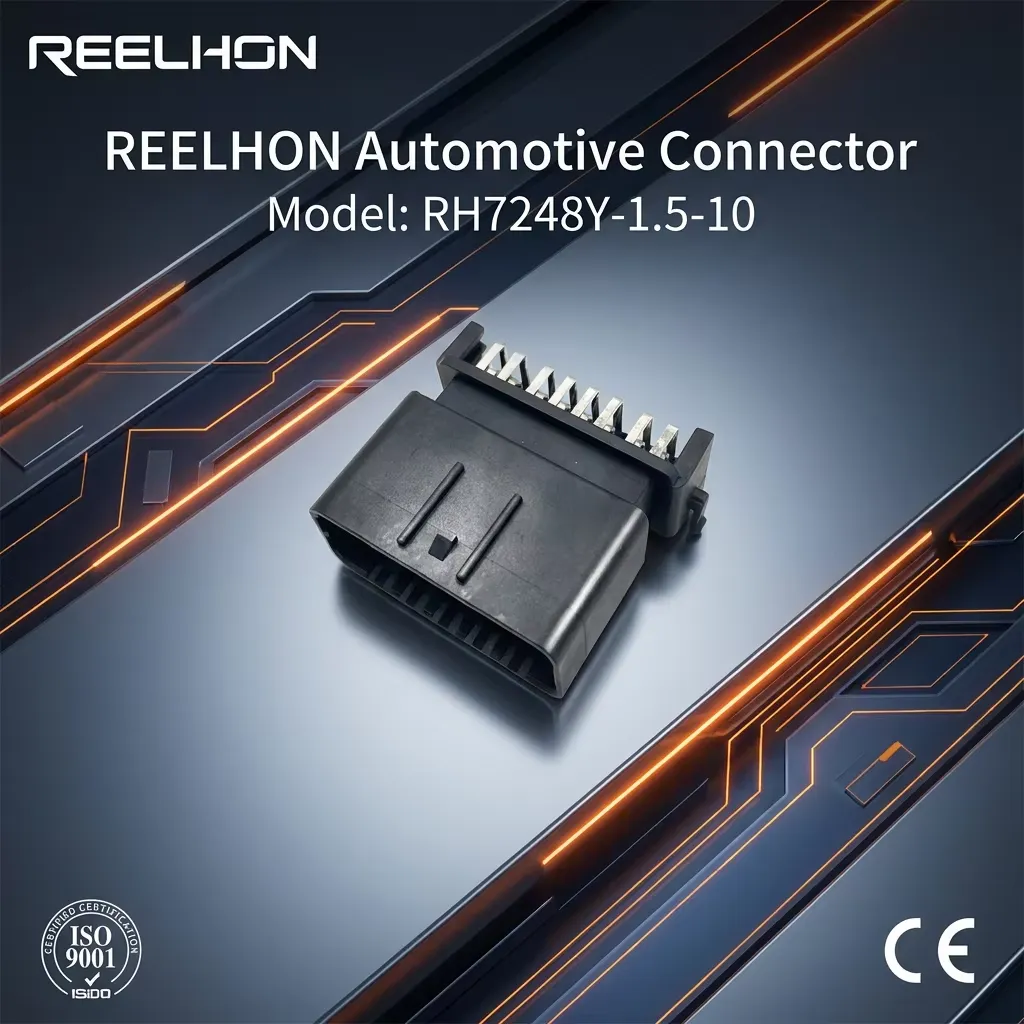
Marine dashboard equipment operates in one of the most demanding environments any electrical system can face. Salt spray, moisture, temperature fluctuations, and constant vibration all threaten the integrity of electrical connections. The reliability of your vessel's instrumentation depends entirely on the quality and durability of the auto electrical connectors that link these critical systems together. Understanding why auto electrical connectors matter in marine applications is essential for operators, maintenance crews, and fleet managers who need to minimize downtime and ensure consistent performance at sea.
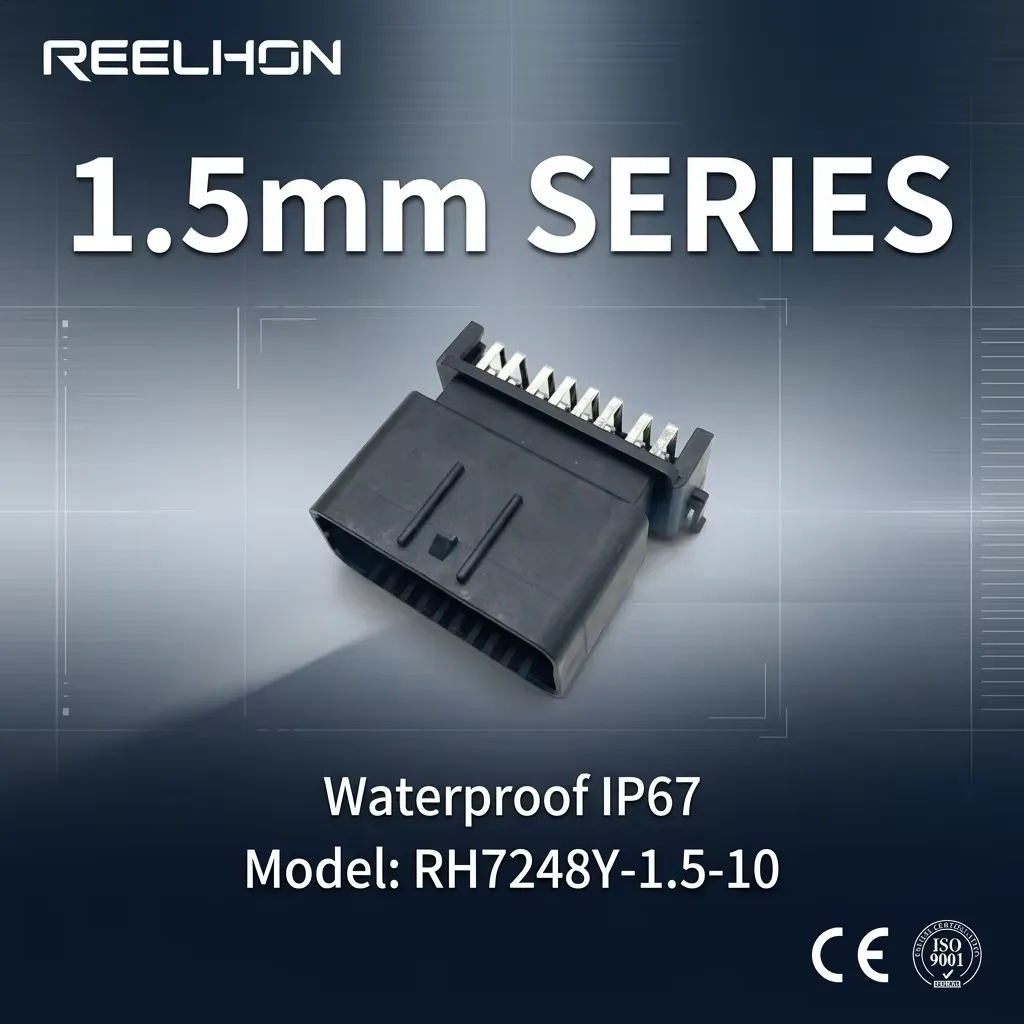
Marine dashboard systems transmit critical data and power through auto electrical connectors that must withstand extreme saltwater corrosion, high humidity, and mechanical stress. Unlike land-based automotive applications, marine equipment requires connectors with superior waterproofing, enhanced material durability, and reliable contact integrity under constant environmental assault. Selecting appropriate auto electrical connectors for marine dashboards directly impacts operational efficiency, safety systems functionality, and long-term maintenance costs across commercial and recreational vessel fleets.
Why Auto Electrical Connectors Are Critical for Marine Dashboard Systems
Environmental Durability Requirements
Marine environments present unique challenges that demand superior auto electrical connectors. Saltwater exposure accelerates corrosion in standard automotive connectors, leading to contact degradation and intermittent electrical failures that compromise dashboard functionality. Auto electrical connectors engineered for marine service incorporate materials and coatings specifically designed to resist oxidation and maintain consistent electrical conductivity despite prolonged exposure to salt spray and moisture. The connector housing, terminals, and contact surfaces must all exhibit exceptional resistance to environmental degradation while maintaining precise mechanical tolerances that ensure secure mating and reliable signal transmission.
Performance and Safety Implications
Dashboard instruments relay navigation data, engine performance metrics, fuel levels, and safety alerts that operators depend on for critical decision-making at sea. Failed auto electrical connectors cause cascading instrumentation failures that reduce situational awareness and compromise vessel safety systems. When auto electrical connectors begin to fail, dashboard displays flicker, provide inaccurate readings, or shut down entirely, creating dangerous operational blind spots. Investing in high-quality auto electrical connectors ensures consistent power delivery and signal integrity, keeping all dashboard instrumentation functioning accurately throughout extended voyages and demanding marine operations.
Key Specifications and Material Selection for Marine Auto Electrical Connectors
Connector Design and Waterproofing Technology
Premium auto electrical connectors for marine applications feature sealed cavity designs, elastomer gaskets, and multi-stage water barrier configurations that prevent moisture infiltration into contact zones. These auto electrical connectors employ hermaphroditic or keyed contact designs that ensure correct mating orientation, reducing installation errors that could compromise connector integrity. The connector backshells typically incorporate drain holes positioned strategically to allow trapped moisture to escape while preventing direct water ingress during normal marine operations. Auto electrical connectors designed for marine service include contact provisions rated for continuous submersion scenarios, ensuring dashboard systems remain operational even in splash zones or deck-mounted environments exposed to frequent water spray.
Material Composition and Corrosion Resistance
Quality auto electrical connectors for marine use incorporate materials like nickel-plated copper contacts, stainless steel contact springs, and engineered thermoplastic or composite housings that resist saltwater corrosion. Standard automotive-grade auto electrical connectors utilize materials inadequate for marine service, as their zinc-plated or bare copper contacts oxidize rapidly in salt spray environments. Marine-grade auto electrical connectors employ gold-plated contact surfaces where cost permits, or utilize advanced nickel and tin combination plating that provides superior corrosion resistance while maintaining stable electrical resistance characteristics. Terminal crimp barrels incorporate corrosion inhibiting compounds that form protective barriers around wire connections, preventing electrolytic corrosion that would degrade contact quality over extended service periods.
Implementation and Maintenance Practices for Marine Auto Electrical Connectors
Installation Best Practices
Proper installation of auto electrical connectors significantly extends connector lifespan and maintains dashboard system reliability in marine environments. Technicians must ensure all connector contacts are fully seated before mating assemblies, verify hermaphroditic keys are correctly aligned, and confirm connector backshells are fully torqued to manufacturer specifications. Auto electrical connectors require dielectric grease application on contact surfaces before mating, creating additional moisture barriers that prevent saltwater penetration into connection zones. All exposed connector backshell mounting areas should be sealed with silicone compound, and cable routing should minimize strain on connector interfaces where flexing could damage contact integrity or compromise waterproof seals.
Preventive Maintenance and Troubleshooting
Regular inspection schedules for auto electrical connectors catch early signs of corrosion or moisture infiltration before failures impact dashboard performance. Marine vessel operators should visually examine connector backshells and contact areas during maintenance intervals, looking for white or green oxidation deposits, moisture accumulation, or discoloration indicating corrosion development. When auto electrical connectors exhibit intermittent dashboard display issues or signal transmission problems, technicians can disconnect and reconnect mated pairs several times to mechanically remove minor oxidation from contact surfaces without requiring full connector replacement. More significant corrosion requires careful cleaning with contact cleaner and fine abrasive materials, followed by application of dielectric grease and reassembly to restore reliable electrical transmission through the connector interface.
FAQ
What distinguishes marine-grade auto electrical connectors from standard automotive connectors?
Marine-grade auto electrical connectors incorporate enhanced waterproofing through sealed cavity designs, superior corrosion-resistant materials like nickel or gold-plated contacts, and engineered elastomer gaskets that prevent moisture infiltration in saltwater environments. Standard automotive auto electrical connectors use zinc plating and exposed contacts that oxidize rapidly when exposed to salt spray, making them unsuitable for marine dashboard equipment that requires consistent performance across extended voyages in harsh oceanic conditions.
How often should marine dashboard auto electrical connectors be inspected for maintenance?
Marine vessel operators should inspect auto electrical connectors during each maintenance cycle or at minimum every three to six months depending on operating environment and water exposure frequency. Regular visual inspection of auto electrical connectors catches corrosion early, allowing preventive cleaning and maintenance that extends connector lifespan significantly. Vessels operating in regions with particularly aggressive salt spray or high humidity should increase inspection frequency for all auto electrical connectors connected to dashboard instrumentation systems.
Can failed marine auto electrical connectors be repaired, or must they be replaced entirely?
Minor corrosion on auto electrical connectors can sometimes be cleaned and restored through careful contact cleaning and protective coating reapplication, but connectors exhibiting moisture infiltration, significant oxidation, or contact damage typically require replacement. Once water breaches the sealed cavity of auto electrical connectors, internal corrosion accelerates rapidly, and repeated sealing attempts rarely restore reliable long-term performance. Replacing compromised auto electrical connectors with marine-grade alternatives ensures dashboard system reliability and prevents cascading failures that could affect vessel navigation and safety systems.