
 EN

The electric vehicle revolution demands precision engineering at every component level, and auto electrical connectors stand as critical infrastructure in high voltage systems. Modern electric vehicles rely on robust auto electrical connectors to transmit power reliably, safely, and efficiently across battery management systems, charging ports, and motor controllers. Without properly manufactured auto electrical connectors, entire EV powertrains face reliability risks, safety concerns, and premature failure. This comprehensive guide explores how factories produce auto electrical connectors specifically designed for high voltage EV applications, what manufacturing standards govern their production, and why connector selection directly impacts vehicle performance and longevity.
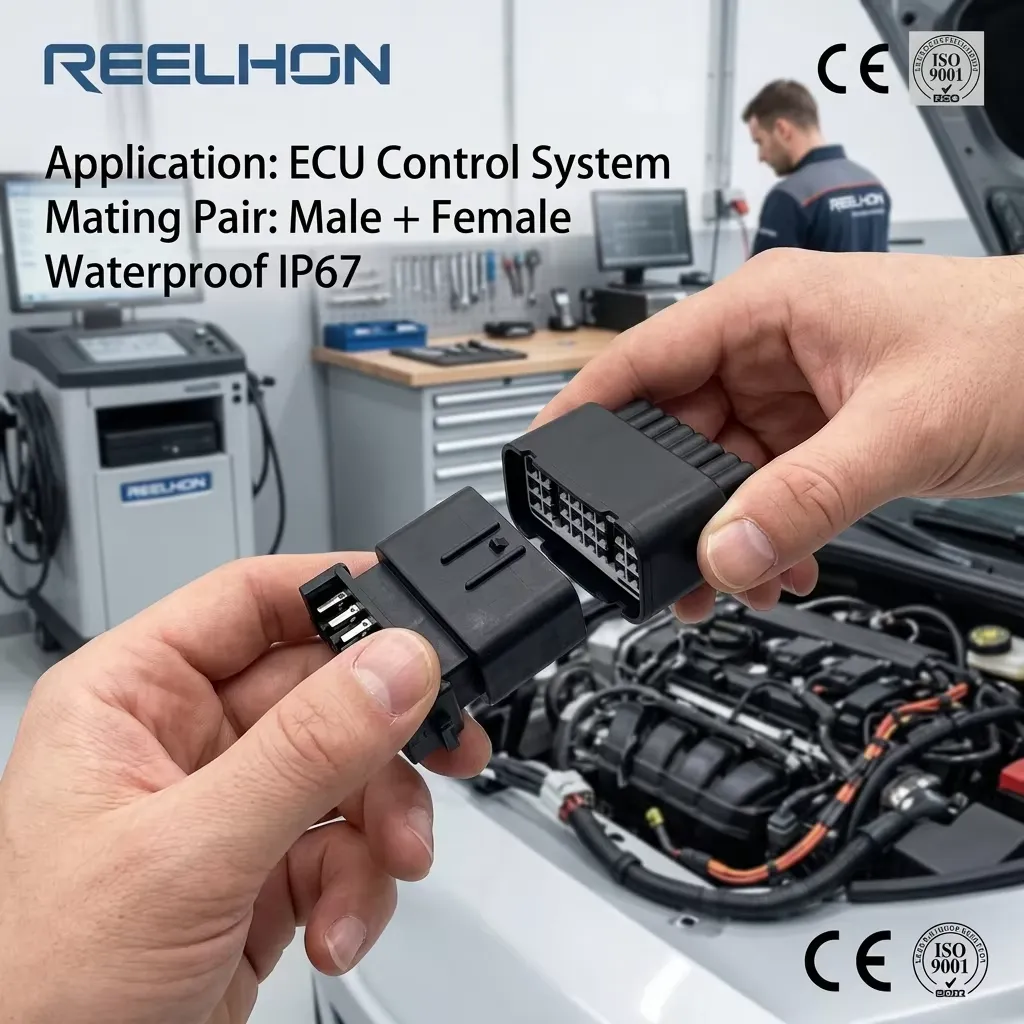
Manufacturing auto electrical connectors for high voltage environments requires specialized expertise, precision tooling, and rigorous quality control protocols. Factory operations must ensure that every auto electrical connectors unit meets stringent electrical conductivity requirements, thermal stability ratings, and moisture resistance standards demanded by electric vehicle manufacturers worldwide. The complexity of producing auto electrical connectors suitable for EV platforms extends beyond simple stamping and assembly—it involves material science, environmental testing, and compliance with international automotive standards.
Manufacturing Standards for High Voltage Auto Electrical Connectors
Quality Certification and Regulatory Compliance
Auto electrical connectors intended for high voltage EV applications must comply with multiple international standards including ISO 6722, DIN 72552, and AEC-Q200 specifications. Factories producing auto electrical connectors must maintain certifications such as TS16949 or ISO/IEC 9001 to demonstrate consistent quality control throughout manufacturing processes. Each batch of auto electrical connectors undergoes electrical continuity testing, voltage withstand testing, and thermal cycling validation to ensure safe operation under extreme conditions. Compliance certification proves that auto electrical connectors can safely handle the current loads, voltage stresses, and environmental exposures inherent to electric vehicle powertrains.
Material Selection and Environmental Durability
The construction of high quality auto electrical connectors requires aerospace-grade copper alloys, specialized plastic housings resistant to extreme temperatures, and hermetic sealing materials that prevent moisture ingress. Factories producing auto electrical connectors select materials that withstand temperature ranges from -40°C to +125°C without degradation, meeting the thermal cycling demands of EV battery enclosures and motor controller environments. Waterproof auto electrical connectors incorporate silicone seals, cross-linked polyethylene insulation, and nickel-plated contacts to resist corrosion, salt spray exposure, and electrical arcing. The combination of these materials ensures that auto electrical connectors maintain electrical integrity throughout the vehicle's operational lifespan, typically exceeding 15 years in automotive duty cycles.
Design and Engineering Considerations for Auto Electrical Connectors
Pin Configuration and Current Capacity
Auto electrical connectors designed for high voltage EV systems typically feature 2, 3, 4, 6, 8, or 12-pin configurations, each supporting specific current and voltage ratings appropriate to individual circuit functions. A factory producing auto electrical connectors for battery management systems may design 12-pin connectors capable of handling continuous currents exceeding 200 amperes, while charging port auto electrical connectors operate at lower pin counts but higher voltage ratings up to 1000 volts. Heavy duty auto electrical connectors incorporate oversized contact surfaces and enhanced mechanical locks that prevent accidental disconnection during high vibration conditions common in vehicle operation. Proper pin configuration in auto electrical connectors ensures that no cross-connection occurs, protecting sensitive electronic modules from electrical faults that could compromise vehicle safety or performance.
Mechanical Durability and Connection Reliability
Factories manufacturing auto electrical connectors implement positive locking mechanisms, redundant contact pressure systems, and vibration-resistant terminal designs that guarantee secure connections even after repeated mating cycles. Heavy duty auto electrical connectors employ keyed designs that prevent incorrect insertion, color-coded housings for rapid field identification, and secondary latches that ensure connections remain intact under extreme acceleration and braking forces. The mechanical robustness of auto electrical connectors directly influences maintenance costs—reliable connector design reduces field failures, warranty claims, and vehicle downtime in commercial fleet operations. Each connector design undergoes durability testing simulating thousands of connection cycles, thermal shocks, and mechanical vibrations before factory approval for production manufacturing.
Factory Production Processes and Quality Assurance
Precision Manufacturing and Assembly Workflows
Modern factories producing auto electrical connectors employ advanced stamping equipment, precision injection molding systems, and automated ultrasonic crimping machines that ensure consistent terminal attachment and proper conductor seating. The production workflow for auto electrical connectors typically involves contact material preparation, terminal stamping and forming, insulation sleeving, final assembly, and comprehensive testing before packaging. Factories maintaining zero-defect manufacturing standards for auto electrical connectors implement statistical process control, real-time quality monitoring, and traceability systems that track each connector lot from raw material through final delivery. High volume production of auto electrical connectors requires integrated manufacturing facilities where stamping, molding, assembly, and testing operations work synchronously to maintain output targets while preserving quality consistency.
Testing Protocols and Performance Validation
Factory testing procedures for auto electrical connectors include insulation resistance measurements, contact resistance verification, high voltage dielectric breakdown testing, and temperature cycling simulations representing full vehicle lifecycle conditions. Every batch of auto electrical connectors undergoes pull testing to verify terminal retention force, mating force measurement to confirm contact alignment, and visual inspection to detect manufacturing defects including burrs, scratches, or incomplete crimps. Environmental testing chambers subject production samples of auto electrical connectors to humidity, salt spray, and thermal extremes to validate performance consistency across climate zones and geographic markets. Advanced factories use auto electrical connectors incorporating data logging systems that record electrical parameters during testing, creating permanent test records for traceability and customer documentation requirements.
Application Integration and EV System Context
Integration with Battery Management and Power Distribution
Auto electrical connectors serve as critical interface points where battery packs, direct current converters, and high voltage distribution systems connect within the EV architecture. The selection of appropriate auto electrical connectors influences the overall reliability, efficiency, and safety margins of the entire electrical system—poor connector design creates resistive losses, heat generation, and potential failure modes that cascade through interconnected vehicle systems. Factories designing auto electrical connectors for battery integration must coordinate with automotive engineers to ensure connector footprints match printed circuit board layouts, mechanical envelopes fit within space-constrained battery enclosures, and electrical ratings align with system specifications. Integration challenges increase when factories must produce auto electrical connectors compatible with multiple vehicle platforms, requiring modular designs and flexible manufacturing processes.
Thermal Management and Long-Term Reliability
High current flow through auto electrical connectors generates heat that must dissipate effectively to prevent temperature rise that accelerates material degradation and electrical performance decline. Factory engineers designing auto electrical connectors specify contact materials and cross-sectional areas that maintain junction temperatures within safe operating ranges even during sustained high current scenarios such as fast charging or maximum power output acceleration. The thermal performance of auto electrical connectors directly impacts battery system longevity—excessive connector heating accelerates electrolyte degradation and reduces battery cycle life, ultimately affecting vehicle range and operational costs for fleet operators. Factories producing auto electrical connectors implement advanced thermal modeling, selects materials with optimal thermal conductivity, and validates connector performance under continuous high current duty cycles to ensure multi-year reliability without performance degradation.
FAQ
What distinguishes factory-grade auto electrical connectors from standard automotive connectors?
Factory-grade auto electrical connectors designed for high voltage EV applications incorporate enhanced material specifications, higher current ratings, superior environmental sealing, and comprehensive testing protocols that exceed standard automotive connector requirements. These specialized auto electrical connectors incorporate redundant safety features, positive locking mechanisms, and performance validation across extended temperature ranges that ensure reliable operation in demanding EV powertrain environments where failure consequences impact vehicle safety and user experience.
How do factories ensure consistent quality across high-volume auto electrical connectors production?
Factories maintain quality consistency for auto electrical connectors through statistical process control, automated inspection systems, batch testing protocols, and comprehensive traceability documentation that links each connector unit to specific manufacturing parameters. International certifications such as TS16949 and ISO 9001 establish standardized quality management frameworks that factories implement throughout auto electrical connectors production, from raw material verification through final delivery logistics.
What factors should EV manufacturers consider when selecting auto electrical connectors suppliers?
EV manufacturers should evaluate auto electrical connectors suppliers based on technical certifications, manufacturing capacity for volume production, quality performance history, thermal and electrical ratings exceeding system requirements, and commitment to continuous improvement. Long-term partnerships with experienced factories producing auto electrical connectors reduce supply chain risk, ensure component consistency, and establish collaborative relationships that support vehicle development cycles and market launch timelines.