
 EN
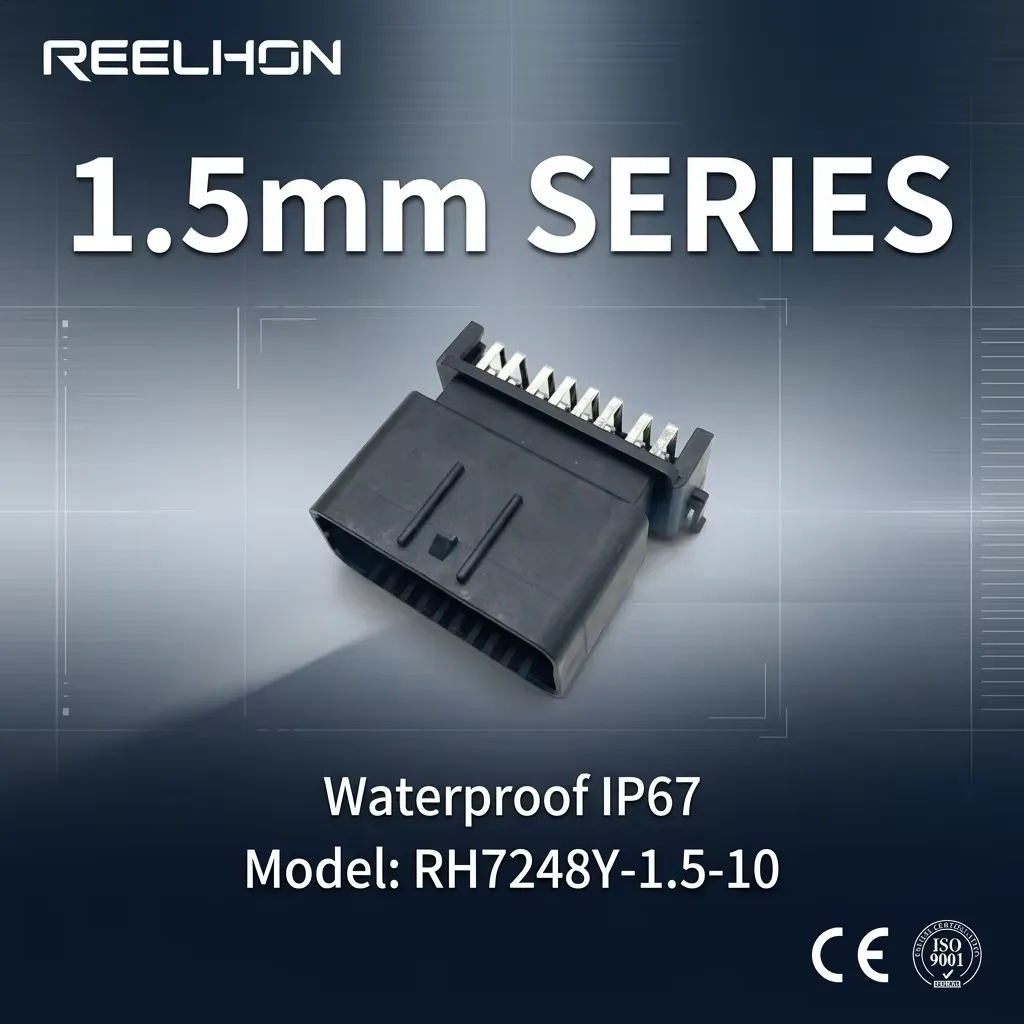
Off-road vehicles operate in environments that demand exceptional durability and reliability from every component, and auto electrical connectors are no exception. These specialized connectors must withstand extreme vibrations, temperature fluctuations, moisture exposure, and harsh terrain conditions that would compromise standard automotive components. The production of auto electrical connectors for off-road vehicles requires precision engineering, advanced materials, and rigorous quality control to ensure that power delivery, signal transmission, and system integration remain uninterrupted even in the most challenging environments.
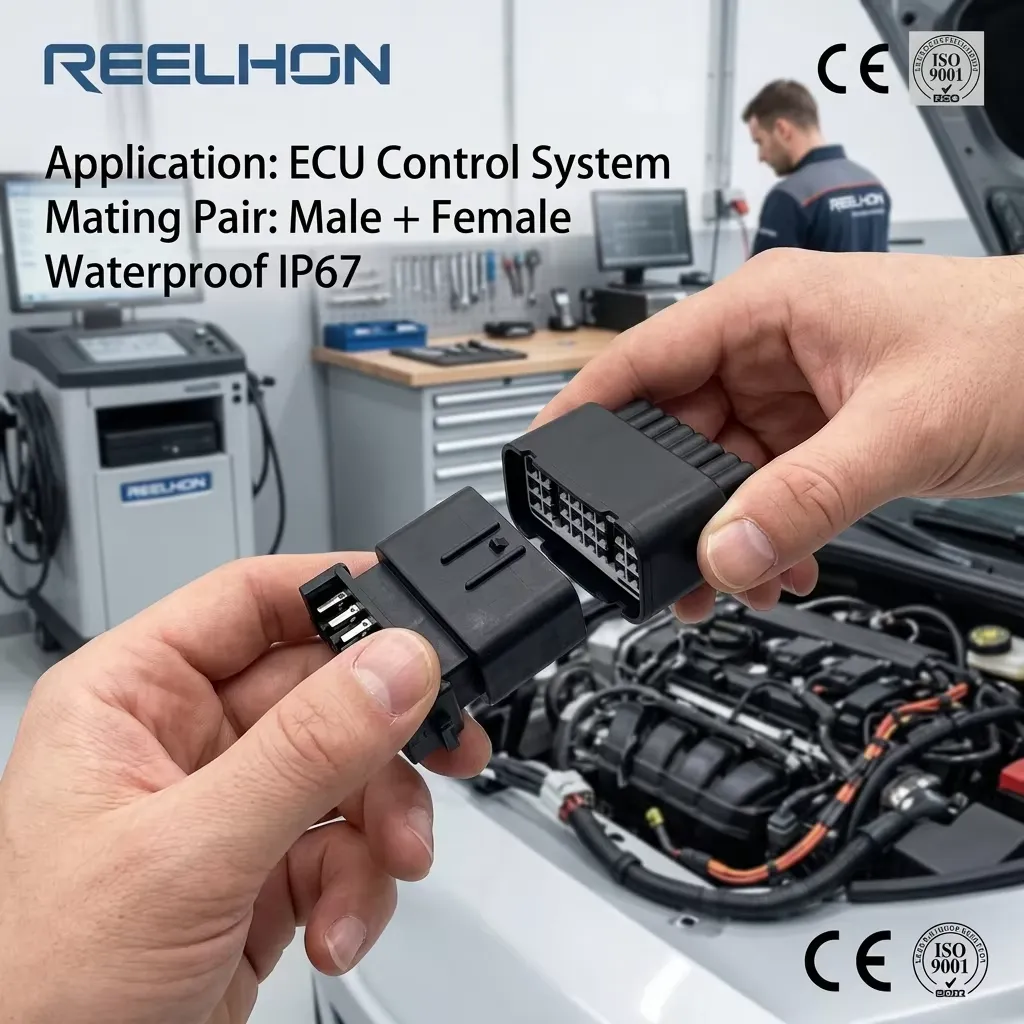
The production of auto electrical connectors for specialized off-road applications involves several critical design and manufacturing considerations that distinguish these connectors from standard automotive alternatives. Off-road vehicle operators depend on reliable auto electrical connectors to maintain engine performance, lighting systems, winch operations, and communication equipment in mud, snow, saltwater, and desert environments. Understanding the engineering principles, material specifications, and testing protocols behind auto electrical connectors production helps vehicle manufacturers, equipment integrators, and fleet operators make informed decisions about connector selection and system reliability.
Understanding Auto Electrical Connectors for Off-Road Applications
Core Design Requirements for Harsh Environments
Auto electrical connectors manufactured for off-road vehicles must meet significantly more stringent performance standards than standard automotive connectors. The production process for auto electrical connectors begins with material selection that prioritizes corrosion resistance, thermal stability, and mechanical durability. Manufacturers utilize gold-plated copper contacts, tin-plated brass, or sealed polymer housings depending on the specific application demands. The design of auto electrical connectors must account for constant vibration exposure, temperature cycling from freezing to extreme heat, and repeated moisture ingress that occurs during river crossings or heavy rain operations.
Waterproofing and Sealing Technologies
Waterproofing represents a defining characteristic of auto electrical connectors designed for off-road service. The production of auto electrical connectors incorporates multiple sealing strategies including silicone gaskets, rubber boots, hermetic sealing, and drain holes that prevent water penetration while allowing pressure equalization. Advanced auto electrical connectors feature secondary locks, keyed designs, and mating face seals that ensure connectors remain secure even under extreme vibration. The production standards for auto electrical connectors now commonly include IP67 and IP69 ratings, which guarantee protection against immersion in water and high-pressure spray conditions that off-road operators routinely encounter.
Production Standards and Manufacturing Processes
Precision Manufacturing and Quality Control
The production of auto electrical connectors for off-road vehicles demands manufacturing precision that meets or exceeds ISO 16750 and SAE J1211 automotive standards. Each auto electrical connectors production run involves multiple quality checkpoints including dimensional verification, electrical resistance testing, pull-force testing, and environmental cycling. Manufacturers implement automated crimping, contact insertion, and assembly processes to ensure consistent quality across every auto electrical connectors unit. The production facility for auto electrical connectors must maintain strict environmental controls to prevent contamination during assembly, and inspection protocols include visual examination, continuity testing, and thermal imaging to identify potential failure points.
Environmental Testing and Validation
Auto electrical connectors undergo extensive environmental testing before production release to ensure field reliability in extreme conditions. Testing protocols for auto electrical connectors include salt-fog corrosion testing to simulate saltwater exposure, thermal cycling between minus 40 and plus 125 degrees Celsius to verify performance across all climate zones, and vibration testing that replicates rough terrain impact. The production team validates auto electrical connectors through high-current load testing, insulation resistance measurement, and contact wear analysis. Advanced auto electrical connectors production also includes mating cycle testing, which verifies that connectors maintain electrical integrity after hundreds of connect-disconnect cycles typical of vehicle maintenance and system troubleshooting in remote locations.
Application-Specific Selection and Integration
Matching Connector Specifications to Vehicle Systems
Selecting the correct auto electrical connectors requires matching pin count, current rating, voltage requirements, and environmental resilience to specific vehicle systems. Off-road vehicles typically require auto electrical connectors for engine control modules, alternators, winch systems, auxiliary lighting, communication systems, and suspension control units. The production specifications for auto electrical connectors must account for cumulative current draw, peak transient voltages from alternators and starter motors, and the reality that off-road vehicles often operate with multiple aftermarket accessories demanding additional electrical capacity. Engineers specify auto electrical connectors based on SAE J929 current-carrying capacity standards, with careful attention to contact resistance degradation over time and under temperature variation.
Integration and Installation Considerations
Proper integration of auto electrical connectors into off-road vehicle electrical systems requires understanding connector mating forces, cable strain relief, and routing protection. The production design of auto electrical connectors includes secondary locking mechanisms that prevent accidental disconnection from vibration, and keyed designs that eliminate reverse-polarity installation errors. Off-road applications often demand custom auto electrical connectors with extended backshells, integrated cable glands, or composite housings that withstand rock strikes and branch impacts. The production team collaborates with vehicle manufacturers to ensure that connector placement avoids water trap areas, maintains adequate clearance from heat sources, and allows field maintenance access without special tools or technical expertise.
Reliability and Maintenance in Off-Road Service
Long-Term Performance and Durability Factors
The durability of auto electrical connectors in off-road service depends on proper production quality, correct installation, and appropriate maintenance practices. Off-road operators should inspect auto electrical connectors periodically for signs of corrosion, moisture ingress, or contact degradation, particularly after exposure to saltwater, mud, or extreme temperature swings. Quality auto electrical connectors maintain electrical integrity for thousands of operating hours when properly sealed and protected from mechanical damage. The production standards for auto electrical connectors address contact resistance stability, which directly impacts voltage drop, heat generation, and system reliability during extended operation in remote locations far from technical support.
Preventive Maintenance and Connector Care
Maintaining auto electrical connectors in off-road vehicles involves periodic cleaning, protective coating application, and verification of mating security. Operators should apply dielectric grease to exposed auto electrical connectors contacts to displace moisture and prevent oxidation, and should inspect connector boots and seals for cracks or deterioration. The production design of auto electrical connectors often includes drainage features that prevent water accumulation inside connectors, but these drainage paths require periodic inspection to ensure they remain unobstructed. Regular testing of system voltage and current at connector locations helps identify early signs of contact resistance increase, allowing proactive connector replacement before electrical failures compromise vehicle operation in challenging environments.
FAQ
Why do auto electrical connectors for off-road vehicles require different specifications than standard automotive connectors?
Off-road vehicles operate in extreme environmental conditions including mud, saltwater, dust, temperature extremes, and continuous vibration that standard connectors cannot reliably withstand. Auto electrical connectors designed for off-road service must feature enhanced sealing, corrosion-resistant materials, and mechanical durability that exceeds standard automotive requirements. The production standards for auto electrical connectors used in off-road applications incorporate higher IP ratings, more aggressive contact materials, and additional mechanical locking mechanisms to ensure reliability where repair access and technical support are limited or unavailable.
What testing protocols ensure quality in auto electrical connectors production for off-road vehicles?
Comprehensive testing of auto electrical connectors includes salt-fog corrosion testing, thermal cycling across extreme temperature ranges, vibration simulation, high-current load testing, and repeated mating cycle validation. Manufacturers of auto electrical connectors for off-road applications perform insulation resistance measurement, contact resistance verification, and visual inspection for defects at multiple production stages. Environmental exposure testing verifies that auto electrical connectors maintain electrical performance after prolonged exposure to moisture, temperature variation, and mechanical stress that reflects real-world off-road operating conditions.
How should off-road vehicle operators maintain auto electrical connectors to ensure long-term reliability?
Off-road operators should periodically inspect auto electrical connectors for corrosion, moisture ingress, and mechanical damage, particularly after exposure to extreme environments. Applying dielectric grease to connector contacts displaces moisture and prevents oxidation of auto electrical connectors contacts, significantly extending service life. Regular testing of system voltage and current helps identify early signs of connector deterioration, allowing proactive replacement before electrical failures affect vehicle operation. Ensuring that connector seals and boots remain intact and that drainage holes remain clear prevents water accumulation that compromises the integrity of auto electrical connectors in harsh environments.
Table of Contents
- Understanding Auto Electrical Connectors for Off-Road Applications
- Production Standards and Manufacturing Processes
- Application-Specific Selection and Integration
- Reliability and Maintenance in Off-Road Service
-
FAQ
- Why do auto electrical connectors for off-road vehicles require different specifications than standard automotive connectors?
- What testing protocols ensure quality in auto electrical connectors production for off-road vehicles?
- How should off-road vehicle operators maintain auto electrical connectors to ensure long-term reliability?