
 EN

Auto electrical connectors are critical components in modern vehicles, responsible for transmitting power and signals across numerous systems. Manufacturers of auto electrical connectors face the constant challenge of optimizing current density to ensure reliable performance, safety, and longevity. Current density—the amount of electric current flowing per unit cross-sectional area—directly impacts connector efficiency, heat generation, and overall system reliability. Understanding how auto electrical connectors manufacturers approach current density optimization reveals the sophisticated engineering and design considerations that go into every connector produced.
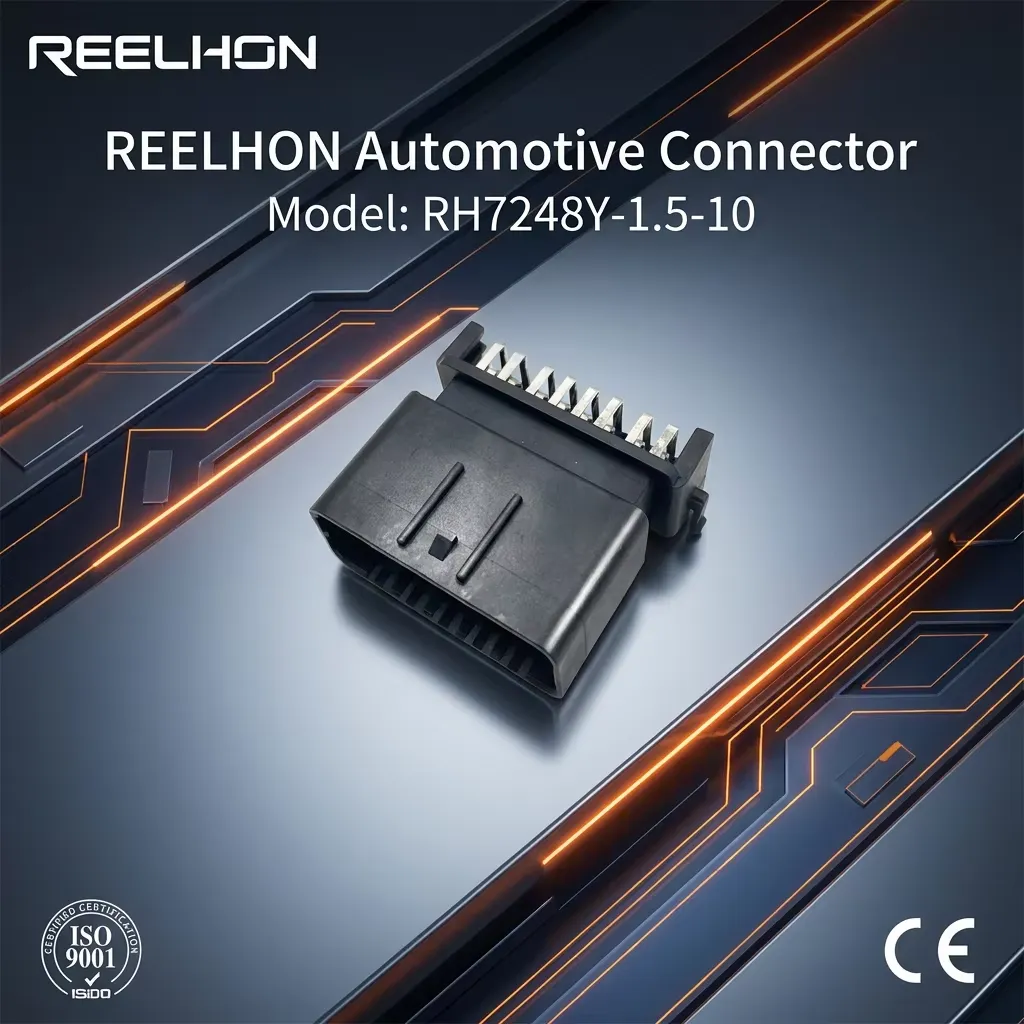
The automotive industry demands exceptional standards from auto electrical connectors, as failures can compromise vehicle safety and functionality. Manufacturers must balance cost-effectiveness with performance requirements while adhering to strict regulatory standards. Current density optimization is not a single design decision but rather a comprehensive strategy that encompasses material selection, conductor geometry, housing design, and contact resistance management. This article explores the methods and principles that leading auto electrical connectors manufacturers use to optimize current density and deliver superior connector solutions to the automotive market.
Material Selection and Conductor Specifications
Choosing the Right Conductor Materials
Auto electrical connectors manufacturers carefully select conductor materials based on electrical conductivity, thermal properties, and mechanical strength. Copper and copper alloys remain the preferred choice for auto electrical connectors due to their excellent electrical conductivity and cost-effectiveness. The purity of the copper, ranging from 99.5% to 99.9%, directly influences current density performance. Higher purity copper exhibits lower electrical resistance, allowing auto electrical connectors to handle higher current densities without excessive heat generation. Manufacturers also consider silver plating on connector contacts to reduce contact resistance and improve current distribution across auto electrical connectors.
Cross-Sectional Area and Gauge Specifications
The cross-sectional area of conductor wire is fundamental to current density calculations in auto electrical connectors. Manufacturers determine appropriate wire gauges by calculating maximum allowable current density, typically ranging from 4 to 8 amperes per square millimeter depending on application requirements. Auto electrical connectors used in high-current applications like battery management systems require larger gauge conductors to maintain lower current density and minimize voltage drop. Conversely, signal-level auto electrical connectors can use smaller gauges since current requirements are minimal. This tailored approach ensures that each type of auto electrical connectors operates within safe current density parameters.
Thermal Management and Heat Dissipation
Temperature Rise Calculations and Limits
Heat generation in auto electrical connectors is directly proportional to current density squared, making thermal management critical for manufacturers. Auto electrical connectors must be designed so that operating temperatures remain within safe limits, typically below 50°C above ambient temperature under maximum rated current. Manufacturers perform detailed thermal analysis using finite element modeling to predict temperature distribution within auto electrical connectors under various load conditions. This analysis informs decisions about conductor sizing, contact material selection, and housing material properties. By optimizing current density early in the design phase, auto electrical connectors can maintain acceptable temperatures throughout their operational life.
Housing and Insulation Materials
The material composition of connector housings significantly impacts how effectively auto electrical connectors dissipate heat. Manufacturers often select thermally conductive polymers or composite materials that can transfer heat away from current-carrying contacts while maintaining electrical insulation. Advanced auto electrical connectors may incorporate metal inserts or heat-conductive fillers within the housing to enhance thermal pathways. The interface between the housing and contacts in auto electrical connectors must be optimized to allow heat flow without compromising electrical isolation. These material innovations allow manufacturers to maintain lower current density levels while fitting auto electrical connectors into compact automotive spaces.
Contact Resistance and Interface Design
Contact Surface Treatment and Plating Strategies
Contact resistance at mating surfaces represents one of the largest sources of heat generation in auto electrical connectors. Manufacturers reduce contact resistance through precise plating strategies, typically applying gold, silver, or nickel layers to improve current distribution and reduce oxidation. The thickness and composition of these coatings directly affect how auto electrical connectors perform at various current densities. Advanced auto electrical connectors use multi-layer plating systems where each layer serves a specific purpose—corrosion protection, current conductivity, and wiping action during insertion. By minimizing contact resistance, manufacturers enable auto electrical connectors to operate at optimized current densities without generating excessive localized heat.
Mating Force and Contact Geometry
The geometry and fit of contacts within auto electrical connectors determine contact pressure, which directly influences contact resistance and current distribution. Manufacturers design auto electrical connectors with carefully calculated contact spring forces to achieve optimal contact pressure without causing excessive wear or mating force. The contact geometry—including blade width, thickness, and contact area—influences how current density is distributed across the mating interface. Manufacturers test auto electrical connectors extensively to validate that contact resistance remains stable over thousands of insertion cycles. This durability testing ensures that auto electrical connectors maintain their current density performance throughout the vehicle's service life.
Performance Validation and Industry Standards
Testing Protocols for Current Density Optimization
Manufacturers conduct comprehensive testing to validate that auto electrical connectors meet current density performance requirements and safety standards. Temperature rise testing involves applying rated current to auto electrical connectors for extended periods while monitoring temperature at contact and housing locations. Voltage drop measurements across auto electrical connectors at various current levels reveal whether contact resistance is within acceptable limits. Thermal cycling tests—subjecting auto electrical connectors to rapid temperature changes—verify that materials and contacts maintain integrity and performance. These validation protocols ensure that every production batch of auto electrical connectors delivers consistent, reliable performance in automotive applications.
Compliance with Automotive Standards
Automotive standards organizations establish strict requirements for current density performance in auto electrical connectors. Standards such as ISO 6722 and OEM specifications define maximum allowable current ratings, temperature rise limits, and contact resistance parameters for auto electrical connectors. Manufacturers designing auto electrical connectors must ensure compliance with these standards throughout the product's temperature and current operating range. Certification testing by independent laboratories validates that production auto electrical connectors meet all specified performance criteria. This standardized approach protects vehicle manufacturers and consumers by ensuring consistent quality and safety across all auto electrical connectors in the market.
FAQ
What is current density in auto electrical connectors?
Current density in auto electrical connectors refers to the amount of electric current flowing per unit cross-sectional area of the conductor, typically measured in amperes per square millimeter. This parameter is critical because higher current density generates more heat and can degrade connector performance over time. Auto electrical connectors are designed with specific current density limits to ensure safe, reliable operation throughout the vehicle's lifespan while minimizing energy loss and heat generation.
How do manufacturers reduce heat in auto electrical connectors?
Manufacturers reduce heat in auto electrical connectors through multiple strategies including selecting appropriate conductor gauges, using high-conductivity materials, applying advanced plating systems to reduce contact resistance, and incorporating thermal management features in the housing design. By optimizing these elements, auto electrical connectors can dissipate heat effectively and maintain operating temperatures within safe limits even under maximum current conditions.
Why is current density optimization important for vehicle safety?
Current density optimization is crucial for vehicle safety because excessive heat in auto electrical connectors can lead to component failure, electrical fires, or system malfunctions. Properly optimized auto electrical connectors maintain stable performance across temperature ranges, prevent voltage drop issues, and ensure reliable power delivery to critical vehicle systems. This reliability directly impacts vehicle safety and performance, making current density optimization a fundamental consideration in automotive connector design and manufacturing.