
 EN

The global supply chain for auto electrical connectors faces unprecedented challenges that directly impact importers' ability to meet customer demand. Auto electrical connectors are critical components in modern vehicles, connecting essential electrical systems from power distribution to sensor networks. When supply chain disruptions occur—whether due to raw material shortages, manufacturing delays, or logistics complications—importers face inventory shortfalls, increased costs, and damaged customer relationships. Building a resilient supply chain for auto electrical connectors requires strategic planning, supplier diversification, and proactive risk management. This guide explores how importers can strengthen their sourcing strategies and create stable, reliable access to quality auto electrical connectors.
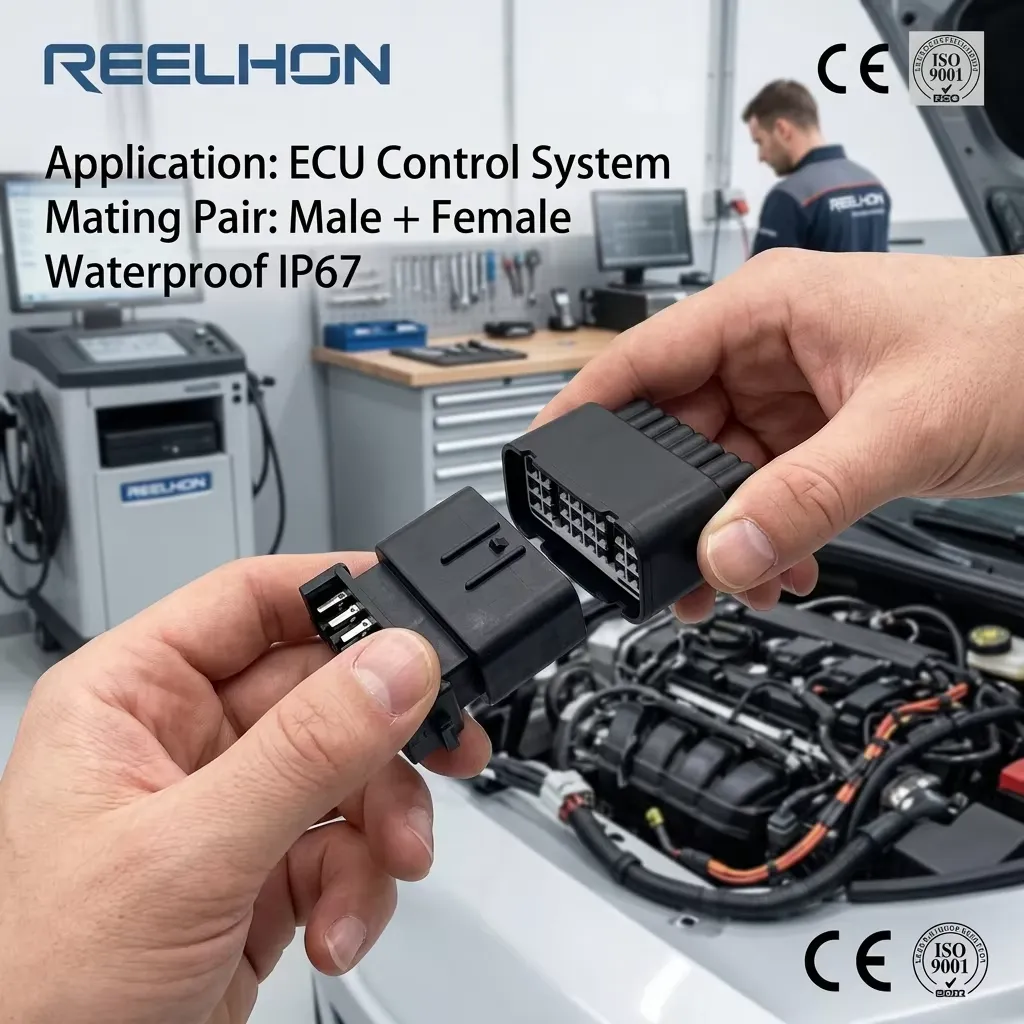
Importers who understand the structural weaknesses in their auto electrical connectors supply chains gain a competitive advantage. By identifying single points of failure, mapping supplier dependencies, and implementing redundancy strategies, importers can maintain consistent product availability while reducing vulnerability to external shocks. The auto electrical connectors market demands precision, reliability, and speed—qualities that only emerge from intentional supply chain design.
Understanding Supply Chain Vulnerabilities in Auto Electrical Connectors
Single-Supplier Dependencies and Geographic Risk
Many importers unknowingly rely on a single supplier or a small cluster of suppliers for their auto electrical connectors. This concentration creates extreme vulnerability when that supplier faces production shutdowns, quality issues, or unforeseen market constraints. Geographic concentration amplifies this risk—if most auto electrical connectors originate from one region prone to natural disasters, political instability, or infrastructure failures, the entire supply chain collapses when that region experiences a crisis. Importers must audit their current supplier base and identify which suppliers account for what percentage of their auto electrical connectors procurement. This visibility reveals where backup options are essential.
Raw Material and Component Sourcing Bottlenecks
Auto electrical connectors depend on specialized materials—copper alloys, thermoplastics, and rare-earth elements—that face their own supply constraints. When suppliers of these materials experience shortages, every manufacturer of auto electrical connectors feels the impact simultaneously. Importers who work backward through their suppliers' supply chains can identify which materials create bottleneck risks for auto electrical connectors production. By establishing direct relationships with material suppliers or diversifying material sources, importers can insulate themselves from upstream disruptions. Proactive material planning ensures that your auto electrical connectors suppliers always have what they need to maintain production schedules.
Strategic Supplier Diversification for Auto Electrical Connectors
Building a Multi-Sourcing Network
The foundation of auto electrical connectors supply chain resilience is a diversified supplier network. Rather than one primary supplier and one backup, importers should develop relationships with at least three capable suppliers for each critical auto electrical connectors type. This structure ensures that if one supplier faces disruption, others can scale up to cover demand. Diversification works best when suppliers are geographically dispersed, have different technology bases, and operate with different production timelines. When evaluating new suppliers for auto electrical connectors, prioritize those with proven quality certifications, transparent production processes, and willingness to share capacity planning information. The investment in supplier relationship management pays dividends when supply chain stress tests occur.
Tiered Supplier Strategy
An effective approach organizes auto electrical connectors suppliers into tiers based on capacity, reliability, and strategic importance. Tier 1 suppliers provide the majority of auto electrical connectors volume and should have the strongest quality systems and most stable operations. Tier 2 suppliers operate at smaller scale but offer critical backup capacity when Tier 1 faces constraints. Tier 3 suppliers serve as emergency reserves, providing minimal ongoing volume but maintaining capability to surge production during crises. This tiered model for auto electrical connectors sourcing allows importers to scale flexibly while maintaining risk mitigation. Regularly testing tier 2 and tier 3 capacity ensures they can actually deliver when called upon.
Implementing Resilience Operations for Auto Electrical Connectors
Demand Forecasting and Inventory Strategy
Accurate demand forecasting reduces safety stock requirements and capital tied up in auto electrical connectors inventory while minimizing stockouts. Importers should implement rolling forecasts that update monthly based on customer orders, market trends, and production schedules. This data-driven approach to auto electrical connectors planning enables better coordination with suppliers and earlier warning of potential demand spikes. Safety stock levels should reflect the actual lead times and variability of each auto electrical connectors supplier—longer lead times and higher variability justify higher safety stock. Collaborative forecasting, where importers share pipeline information with suppliers of auto electrical connectors, creates visibility that helps suppliers plan production efficiently and alert importers to potential constraints before they become critical.
Quality Assurance and Early Warning Systems
Quality failures in auto electrical connectors disrupt operations even faster than supply shortages. Implementing incoming inspection protocols, trend analysis on defect rates, and direct communication channels with suppliers creates early warning systems for quality issues in auto electrical connectors. When defect rates begin rising in auto electrical connectors from a particular supplier, importers can shift orders to backup suppliers before facing a full supply crisis. Supplier quality dashboards track performance across multiple metrics for each auto electrical connectors supplier—on-time delivery, defect rates, documentation accuracy, and responsiveness to quality escalations. This transparency holds suppliers accountable while giving importers data to make confident decisions about which suppliers to increase or decrease auto electrical connectors volumes with.
Logistics Flexibility and Lead Time Reduction
Long lead times for auto electrical connectors force importers to commit to purchases far in advance, reducing flexibility when demand changes. Working with suppliers who offer shorter lead times reduces this constraint and allows more responsive ordering. Importers should also diversify transportation modes—combining ocean freight, air freight, and regional logistics—to maintain flexibility when specific routes face disruptions. Building relationships with freight forwarders who specialize in auto electrical connectors logistics creates additional resilience, as these partners often have alternative routing options and can negotiate capacity quickly. Maintaining some local inventory at key regional distribution points reduces the impact of transport delays on customer delivery performance for auto electrical connectors.
FAQ
What are the primary risks that disrupt auto electrical connectors supply chains?
The primary risks include single-supplier concentration, geographic clustering of suppliers, raw material bottlenecks, quality failures, and transportation disruptions. Auto electrical connectors supply chains also face risks from geopolitical tensions, tariff changes, and regulatory shifts. Mapping these risks specifically for your auto electrical connectors sourcing reveals where intervention is most critical.
How many suppliers should importers maintain for auto electrical connectors?
For critical auto electrical connectors types, maintaining at least three active suppliers is best practice. This tiered approach—with primary suppliers handling baseline volume, secondary suppliers providing backup capacity, and tertiary suppliers offering emergency capability—balances cost efficiency with resilience. For lower-criticality auto electrical connectors, two suppliers may suffice if they are truly independent.
Can importers reduce lead times for auto electrical connectors without paying premium prices?
Yes, by building long-term relationships with auto electrical connectors suppliers who prioritize your account. Suppliers offering shorter lead times attract committed buyers willing to maintain consistent order volumes. Collaboration on demand forecasting, advance visibility, and regular communication creates value for suppliers that justifies faster service for auto electrical connectors without premium surcharges.