
 EN

Tensile strength testing of a wire harness connector is a critical quality assurance process that determines whether electrical connections can withstand mechanical stress without failure. In modern manufacturing environments, this testing procedure validates that every wire harness connector meets stringent safety and performance standards before deployment in automotive, aerospace, telecommunications, and industrial equipment. Understanding the significance of wire harness connector testing helps engineers and procurement teams make informed decisions about component reliability and long-term system durability.
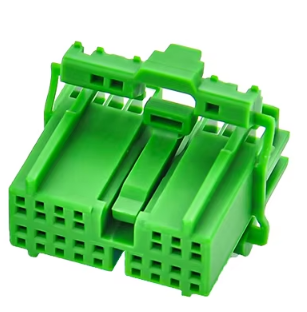
Modern laboratory equipment for wire harness connector evaluation has evolved significantly, offering precision measurement capabilities that were unavailable just a decade ago. The wire harness connector industry now relies on automated testing systems, data logging software, and real-time monitoring to ensure consistent results and comprehensive documentation. Manufacturers who invest in proper testing infrastructure demonstrate commitment to quality control and regulatory compliance, protecting both their reputation and their customers' operational safety.
Understanding Wire Harness Connector Tensile Strength Requirements
Definition and Importance of Tensile Strength in Wire Harness Connectors
Tensile strength refers to the maximum amount of pulling force a wire harness connector can withstand before permanent deformation or failure occurs. For a wire harness connector, this measurement is expressed in pounds-force or Newtons and represents the breaking point under axial tension. The wire harness connector must maintain structural integrity during installation, operation, vibration exposure, and thermal cycling, making tensile strength a primary indicator of product reliability and lifespan in demanding environments.
Engineers specify minimum tensile strength requirements for wire harness connector applications based on industry standards such as ISO 13849, UL 1977, and automotive specifications like AEC-Q200. A wire harness connector designed for aerospace applications typically requires higher tensile strength values than consumer electronics connectors, reflecting the mission-critical nature of flight systems. Understanding these baseline requirements ensures that procurement teams source appropriate components and that manufacturing teams validate their wire harness connector designs before production release.
Industry Standards and Regulatory Compliance
Regulatory bodies and industry consortia have established comprehensive testing protocols to ensure wire harness connector safety and interoperability. The wire harness connector must comply with specifications from organizations including the IEC, SAE International, and the National Highway Traffic Safety Administration for automotive applications. These standards mandate specific test procedures, acceptable pass-fail criteria, and documentation requirements that manufacturers must follow when evaluating wire harness connector performance in laboratory settings.
Compliance testing for a wire harness connector typically includes multiple cycles of tensile loading to simulate real-world stress patterns. Manufacturers must prove that their wire harness connector maintains consistent electrical conductivity and mechanical functionality throughout the test sequence. Documentation of tensile test results for wire harness connector validation becomes part of the product traceability record, supporting quality audits and customer verification of conformance to specification.
Modern Laboratory Testing Methods for Wire Harness Connectors
Advanced Testing Equipment and Precision Instruments
Contemporary laboratories employ computerized universal testing machines to measure wire harness connector tensile strength with accuracy levels exceeding 0.5 percent. These instruments apply controlled loads to the wire harness connector while recording displacement, stress, and strain data continuously throughout the test cycle. The wire harness connector sample is secured in fixtures designed specifically for the connector type, ensuring repeatable grip conditions and eliminating test variability caused by improper specimen positioning.
Data acquisition software integrated into modern wire harness connector testing systems provides real-time graphical stress-strain curves, identifying exact failure points and yield strengths. Each wire harness connector undergoes testing at calibrated speeds defined by applicable standards, typically ranging from 5 to 50 millimeters per minute depending on the connector category. The wire harness connector laboratory maintains environmental controls for temperature and humidity, ensuring that test conditions remain consistent and results are reproducible across batches and over extended time periods.
Sample Preparation and Test Execution Procedures
Proper preparation of wire harness connector specimens is essential for generating valid test data that reflects true product performance. The wire harness connector samples are randomly selected from production lots, inspected for visual defects, and verified to match the design specification before testing begins. Technicians document the wire harness connector serial numbers, manufacturing dates, and material lot codes to enable traceability linking test results back to specific production runs.
During wire harness connector testing, load is applied gradually and smoothly to avoid shock loading that would produce artificially low strength values. The wire harness connector failure mode is observed and recorded—whether the connection separates at the mating interface, the wire breaks, the terminal pulls free, or the housing fractures determines root cause analysis and process improvement opportunities. Multiple wire harness connector samples from each production batch undergo testing to establish statistical confidence in the results and identify any outliers or process drift conditions.
Interpreting Results and Ensuring Product Reliability
Analysis of Test Data and Acceptance Criteria
Results from wire harness connector tensile testing are compared against pre-established acceptance criteria derived from design specifications and customer requirements. The wire harness connector must demonstrate tensile strength values that exceed minimum thresholds, often with statistical margins to account for natural material variation and manufacturing tolerances. Engineers analyze the wire harness connector test results to calculate mean values, standard deviations, and capability indices that quantify process performance and predict field reliability.
A wire harness connector that fails to meet tensile strength requirements triggers investigation and corrective action at multiple levels. The immediate response involves placing affected production lots on hold pending detailed root cause analysis of the wire harness connector failure mode. Potential causes include material defects, design weaknesses, process parameter drift, or supplier quality issues affecting the wire harness connector components or assembly procedures.
Predictive Maintenance and Field Performance Validation
Laboratory testing of wire harness connector specimens provides predictive insight into how production units will perform in operational environments over extended service life. Higher tensile strength margins in the wire harness connector create safety buffers that accommodate unexpected loads, material degradation, and environmental stress factors. Statistical correlation between lab wire harness connector test data and field failure rates enables manufacturers to establish confidence intervals and reliability projections that support warranty programs and customer communication.
Ongoing field data collection from installed wire harness connector applications feeds back into the laboratory testing program, validating assumptions and refining acceptance criteria. When field failures occur despite passing wire harness connector tensile tests, investigation may reveal that dynamic loading, fatigue cycling, or environmental exposure created failure modes not adequately simulated in static tensile testing. This continuous improvement cycle ensures that wire harness connector testing methods evolve to capture emerging risk factors and maintain alignment with real-world operational demands.
FAQ
What is the typical tensile strength value for industrial wire harness connectors?
Industrial wire harness connector tensile strength values typically range from 50 to 200 pounds-force depending on the connector size, material composition, and intended application. Small signal wire harness connector designs may specify minimum tensile strength around 50 to 75 pounds-force, while high-power wire harness connector applications require 150 to 200 pounds-force or higher. Specific tensile strength requirements for your wire harness connector application are defined by applicable standards and customer engineering specifications that reflect the mechanical loads expected during installation and service.
How often should wire harness connector tensile testing be performed during manufacturing?
Wire harness connector tensile testing frequency depends on production volume, product criticality, and quality system requirements established by your organization and customers. High-reliability applications such as aerospace or automotive typically require testing of wire harness connector samples from every production batch, often with minimum sample sizes of 5 to 10 units per batch. Lower-volume or less critical applications may use periodic testing intervals such as monthly validation of wire harness connector production, provided that process stability is demonstrated through control charting and statistical analysis.
Can tensile testing predict wire harness connector performance in vibration environments?
Static tensile testing alone does not fully predict how a wire harness connector will behave under repetitive vibration and dynamic loading in operational environments. While high tensile strength correlates with better fatigue resistance in wire harness connector applications, supplementary testing such as cyclic loading, thermal shock, and combined environmental testing is often required to validate wire harness connector durability under real-world conditions. Many manufacturers perform comprehensive validation programs combining tensile testing with fatigue analysis, environmental cycling, and field trial data to ensure wire harness connector reliability across the full range of anticipated service stresses.