
 EN
When building or repairing motorcycle wiring systems, every component matters — and the 2 pin connector is one of the most frequently used yet often overlooked parts in the entire harness. A 2 pin connector handles the electrical link between two circuit points, making it essential for lighting circuits, sensor feeds, ignition loops, and accessory power lines on motorcycles. Choosing the wrong unit can lead to intermittent faults, voltage drops, or outright circuit failure — problems that are difficult to trace once a bike is fully assembled.
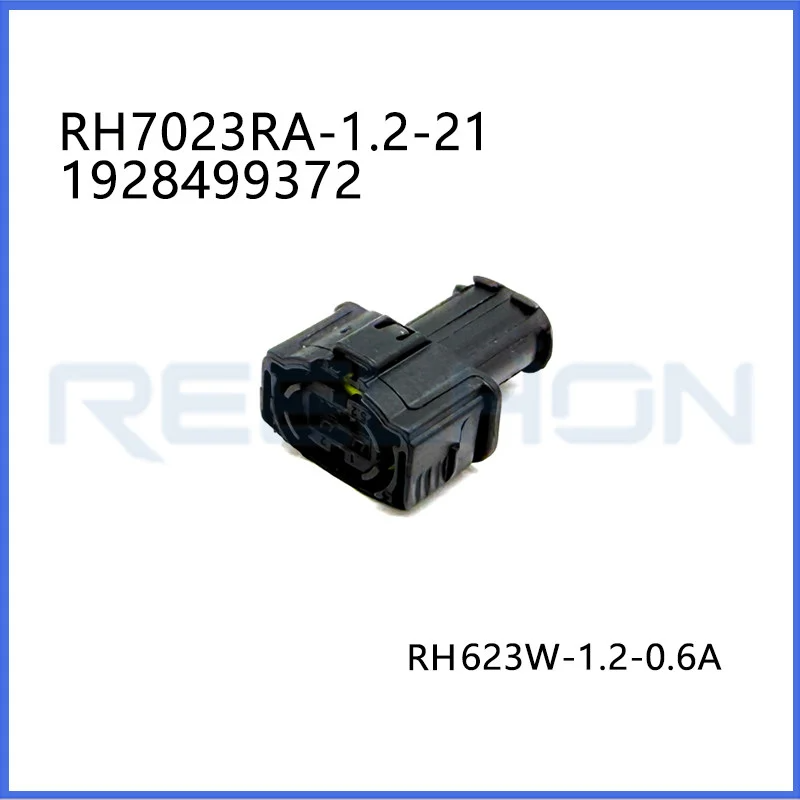
Sourcing a compact 2 pin connector for motorcycle applications requires more than simply matching the pin count. You need to evaluate housing dimensions, terminal material, locking mechanism reliability, and environmental resistance. This article walks through the key factors that procurement teams, electrical engineers, and motorcycle manufacturers should consider when sourcing 2 pin connector units that perform consistently under real riding conditions.
Why the 2 Pin Connector Is Critical in Motorcycle Wiring
The Role of a 2 Pin Connector in a Motorcycle Harness
A motorcycle wiring harness connects every electrical system on the bike — from headlights and indicators to the ignition switch and instrument cluster. Within this harness, a 2 pin connector serves as a modular junction point that allows individual sub-circuits to be connected, disconnected, or replaced without cutting and splicing wire. This modularity is especially important during manufacturing, maintenance, and field repairs.
Every time a technician needs to service a sensor, swap a lighting unit, or troubleshoot a circuit, the 2 pin connector becomes the access point. If that connector has poor contact resistance, inadequate locking, or a housing that degrades under heat and vibration, the entire circuit it serves becomes unreliable. For motorcycle OEM manufacturers and aftermarket builders alike, selecting the right 2 pin connector is a decision with long-term reliability consequences.
Common Applications of the 2 Pin Connector on Motorcycles
The 2 pin connector appears in a wide range of motorcycle electrical circuits. Tail light and brake light wiring typically relies on a 2 pin connector to join the lamp assembly to the main harness. Horn circuits, handlebar switch assemblies, and auxiliary power outlets also use this connector format. In fuel-injected models, certain sensor feed lines use a compact 2 pin connector to maintain a clean, waterproof junction point that resists road contaminants.
The frequency with which a 2 pin connector appears across these applications means that procurement teams often source them in large volume. Consistency in quality across a production batch is therefore just as important as the individual unit specification.
Key Specifications to Evaluate When Sourcing a 2 Pin Connector
Housing Material and Environmental Rating
The housing of a 2 pin connector must withstand the mechanical and environmental stress of motorcycle use. Nylon PA66 is the most commonly used housing material due to its high heat resistance, dimensional stability, and resistance to fuel and oil exposure. When sourcing a 2 pin connector for outdoor motorcycle applications, always verify the IP rating — a sealed 2 pin connector with an IP67 rating will resist water ingress during rain and low-level water crossings.
Housing color coding is also relevant in production environments. Many manufacturers use a specific color for each 2 pin connector position on the harness to reduce assembly errors. Confirm whether your supplier can provide the 2 pin connector in consistent color batches and that the material formulation does not cause color variation between production runs.
Terminal Quality and Contact Resistance
The terminal inside a 2 pin connector is where electrical performance is determined. Brass terminals with tin or gold plating are standard for automotive-grade connectors. Tin-plated terminals on a 2 pin connector offer good corrosion resistance at a competitive cost, while gold plating is preferred for low-current signal circuits where even minor oxidation could disrupt readings. Ensure the terminal crimp range of the 2 pin connector matches your wire gauge — a mismatch leads to unreliable crimps and increased contact resistance over time.
When evaluating a 2 pin connector for motorcycle wiring, request contact resistance data from the supplier. A well-engineered 2 pin connector should maintain a contact resistance below 10 milliohms under normal operating conditions. This specification becomes particularly critical in circuits that power LED lighting or precision sensors, where resistance variation directly affects performance.
Locking Mechanism and Retention Reliability
Motorcycle wiring is subject to constant vibration from the engine and road surface. A 2 pin connector without a positive locking mechanism will work loose over time, creating intermittent faults that are notoriously difficult to diagnose. Look for a 2 pin connector that features a primary lock on the housing and a secondary terminal position assurance (TPA) component, which prevents terminals from backing out after the connector is mated.
A well-designed 2 pin connector will produce an audible click when fully seated, confirming positive engagement. During sourcing, request pull-out force data — this figure tells you how much force is required to separate the connector under load. For motorcycle applications, a 2 pin connector with a minimum pull-out force of 40 Newtons is a reliable benchmark.
Sourcing Strategy for Compact 2 Pin Connector Units
Evaluating Suppliers for Production-Volume Sourcing
When sourcing a 2 pin connector at scale for motorcycle production, supplier evaluation should go beyond price. Ask for material certifications, RoHS compliance documentation, and dimensional drawings. A credible supplier will provide a full product datasheet for the 2 pin connector, including operating temperature range, rated current, rated voltage, and housing material specifications. This documentation protects your quality process and simplifies approval procedures.
Sampling is a non-negotiable step. Before committing to a production order, request physical samples of the 2 pin connector and perform fit checks against your existing harness components. Verify that the 2 pin connector mates and de-mates smoothly within your tooling, and confirm that the terminal crimps pass pull-force testing with your wire specifications.
Balancing Cost and Quality in 2 Pin Connector Procurement
The 2 pin connector is a small component, but its failure cost is disproportionately large. A single faulty 2 pin connector in a completed motorcycle harness can trigger warranty claims, recall investigations, and customer dissatisfaction that far exceeds the savings made by sourcing a lower-grade unit. Build your sourcing criteria around a defined minimum specification for the 2 pin connector rather than defaulting to the lowest quoted price.
Working with a supplier who can provide engineering support, consistent batch quality, and documented traceability for the 2 pin connector will reduce long-term procurement risk. For compact motorcycle connector units in particular, specification consistency across batches is what separates a dependable supply chain from one that generates chronic production issues.
FAQ
What current rating should a 2 pin connector have for motorcycle lighting circuits?
For standard motorcycle lighting circuits, a 2 pin connector with a rated current of 10 to 15 amperes per pin is typically sufficient. However, always verify the actual load of the specific circuit and select a 2 pin connector rated above that load to maintain a safety margin.
Can a standard automotive 2 pin connector be used on motorcycles?
A standard automotive 2 pin connector can work on motorcycles if the housing and terminals meet the environmental and vibration requirements specific to two-wheeled applications. Sealed, compact versions with robust locking designs are preferred over open-style connectors intended for sheltered automotive environments.
How do I verify that a 2 pin connector meets quality standards before sourcing in bulk?
Request product datasheets, material safety declarations, and RoHS compliance certificates. Then perform sample testing that includes contact resistance measurement, pull-out force testing, and mating cycle durability checks. A reliable 2 pin connector supplier should support pre-production qualification with full technical documentation.