
 EN
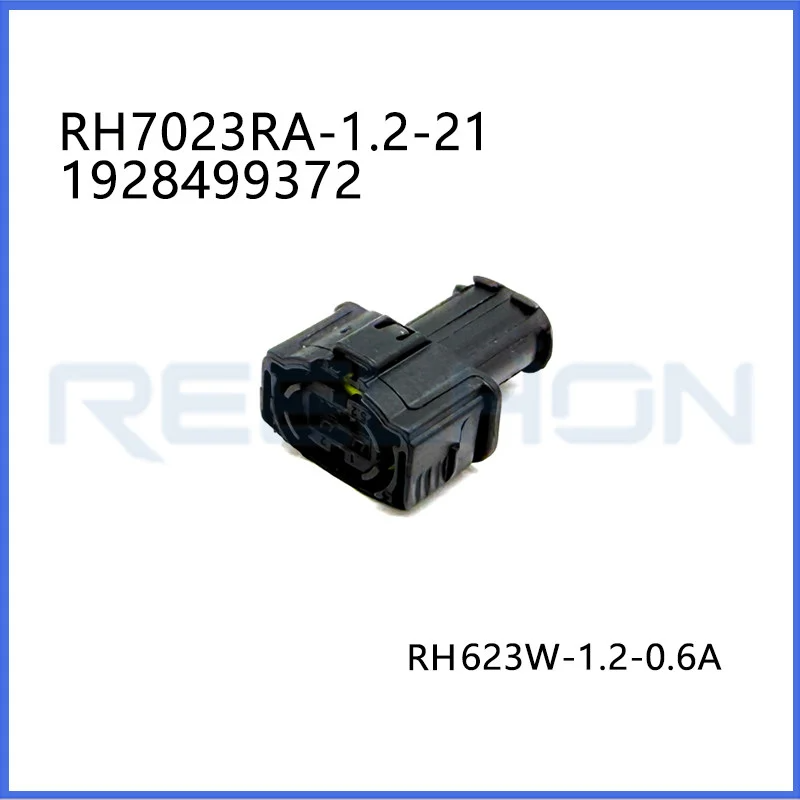
The 2 pin connector is one of the most widely used electrical components in automotive, industrial, and consumer wiring systems. Its streamlined two-terminal structure allows engineers to create circuits that can be connected and disconnected rapidly without damaging the wire harness or the mating interface. When uptime, serviceability, and reliability all matter, the 2 pin connector delivers a compact solution that meets demanding performance standards.
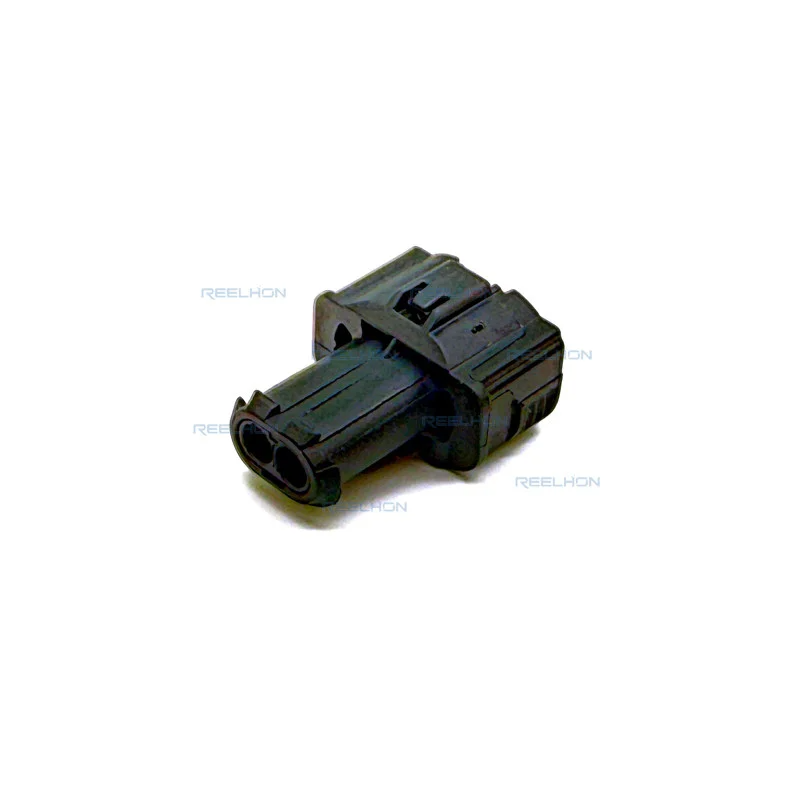
Understanding how 2 pin connector design specifically enhances quick disconnect functions helps engineers, procurement specialists, and maintenance teams make better decisions. This article explores the structural features, locking mechanisms, and material choices that make the 2 pin connector ideal for fast-mate, fast-release applications across multiple industries.
Structural Design Principles of the 2 Pin Connector
The Role of Terminal Layout in Quick Disconnect Performance
The physical layout of a 2 pin connector is directly responsible for its quick disconnect capability. Because only two terminals are involved, the mating force required to engage or disengage the 2 pin connector is significantly lower compared to higher pin-count alternatives. This reduced insertion and extraction force means a technician can connect or disconnect the 2 pin connector with one hand, speeding up field maintenance without specialized tools. The simple two-terminal geometry also reduces the chance of misalignment during reconnection, which is a critical factor in high-cycle environments.
In automotive wiring harness applications, the 2 pin connector is often used for sensors, lighting circuits, and auxiliary power lines where frequent service access is expected. The compact footprint of the 2 pin connector allows it to be positioned in tight spaces within an engine bay or behind a dashboard panel, making quick disconnection practical even in confined locations. Engineers designing for serviceability routinely specify the 2 pin connector because it delivers reliable circuit continuity while remaining easy to operate.
Housing Geometry and Polarization Features
Modern 2 pin connector housings are engineered with asymmetric profiles or keyed geometries that prevent incorrect mating. Polarization is a fundamental design feature because it ensures the 2 pin connector can only be inserted in the correct orientation, which protects both the circuit and the terminals. A correctly polarized 2 pin connector eliminates reverse-polarity faults that could damage sensitive electronic modules or blow protection fuses. Housing geometry also guides the connector smoothly into position, which is essential when the 2 pin connector needs to be inserted quickly in low-visibility conditions.
The outer housing of a quality 2 pin connector is typically molded from reinforced nylon or thermoplastic elastomer, materials that resist vibration fatigue and thermal cycling. This material selection ensures the 2 pin connector maintains dimensional stability over thousands of mating cycles, keeping the quick disconnect function reliable throughout the product lifetime. When the housing retains its shape accurately, the locking tab of the 2 pin connector continues to engage and release cleanly without developing play or looseness.
Locking Mechanisms That Enable Reliable Quick Release
Primary Latch Design and Retention Force
The locking mechanism is the most critical design element that differentiates a professional-grade 2 pin connector from a generic alternative. A well-designed 2 pin connector uses a primary latch — a molded cantilever beam on the plug housing — that snaps audibly into a receiver groove on the socket housing. This audible and tactile confirmation tells the operator that the 2 pin connector is fully seated and locked. In noisy industrial environments or while wearing gloves, this feedback is essential to ensure the 2 pin connector has not been left partially mated.
Retention force in a 2 pin connector is carefully calibrated. The latch must be strong enough to resist vibration-induced unmating, yet light enough to release with a simple thumb press. Automotive-grade versions of the 2 pin connector are tested to retain their locking function across temperature ranges from minus forty to over one hundred twenty degrees Celsius. This thermal stability ensures the 2 pin connector performs consistently whether installed in a cold-climate vehicle or a high-heat industrial machine.
Secondary Locking and Connector Position Assurance
Higher-reliability applications use a 2 pin connector equipped with a secondary lock or connector position assurance device. This secondary component slides or clips over the primary latch after the 2 pin connector is fully mated, adding an additional retention layer that prevents accidental release. In safety-critical systems, such as airbag sensors or brake light circuits, the secondary-locked 2 pin connector must be deliberately unlocked before it can be separated, reducing the risk of unintentional disconnection during vehicle operation. The secondary lock does not significantly slow down the disconnect process when following the correct release sequence.
From a design standpoint, the secondary lock on a 2 pin connector adds minimal material cost while substantially increasing system safety. This makes the 2 pin connector with secondary locking a preferred choice in automotive platforms where circuit continuity is non-negotiable. Engineers specifying a 2 pin connector for vibration-heavy applications, such as off-road vehicles or heavy machinery, consistently choose versions with both primary and secondary retention features.
Contact Materials and Sealing in Quick Disconnect Applications
Terminal Plating and Contact Reliability
The metal terminals inside a 2 pin connector determine how well electrical contact is maintained across the lifecycle of the connection. Most automotive and industrial 2 pin connector terminals are stamped from copper alloy and plated with tin or gold depending on the application voltage and current level. Tin plating is cost-effective for power circuits, while gold plating is preferred for low-voltage signal circuits where even slight surface oxidation could cause contact resistance to rise. The spring geometry of the female terminal in a 2 pin connector applies consistent normal force against the male pin, maintaining stable contact resistance even after hundreds of mating cycles.
When a 2 pin connector is designed for quick disconnect in high-vibration environments, terminal geometry must also account for micro-motion wear. Thicker plating and harder contact surfaces are selected to extend the service life of the 2 pin connector in applications where the connected device vibrates continuously. A 2 pin connector with properly engineered terminals will show minimal resistance increase even after extensive vibration testing, confirming that the quick disconnect design does not compromise long-term electrical performance.
Sealing Options for Environmental Protection
Many quick disconnect applications require the 2 pin connector to operate reliably in wet or dusty environments. Sealed versions of the 2 pin connector incorporate silicone wire seals at the rear entry point and a peripheral seal on the mating face, achieving IP67 or IP68 ingress protection ratings. These seals do not hinder the quick disconnect function because the seal compression is handled automatically as the 2 pin connector is mated. The operator simply presses the 2 pin connector together until the latch clicks, and the seals compress to form a watertight interface. This sealed 2 pin connector is widely used in outdoor lighting, automotive underbody wiring, and agricultural machinery where moisture ingress would cause circuit failure.
FAQ
What makes a 2 pin connector suitable for quick disconnect use?
A 2 pin connector is suitable for quick disconnect use because its low terminal count minimizes mating force, its latch provides audible confirmation of full engagement, and its polarized housing prevents incorrect insertion. These features together allow fast, error-free connection and disconnection in service and maintenance workflows.
Can a sealed 2 pin connector still function as a quick disconnect?
Yes, a sealed 2 pin connector retains its quick disconnect capability because environmental seals are integrated into the mating sequence rather than added as external barriers. The operator mates the 2 pin connector normally, and the seals compress automatically. Release requires only pressing the latch tab, making the sealed 2 pin connector just as fast to disconnect as an unsealed version.
How does terminal plating affect the long-term reliability of a 2 pin connector?
Terminal plating in a 2 pin connector prevents oxidation and reduces contact resistance over the connector lifecycle. Tin plating suits power circuits in a 2 pin connector used for higher-current loads, while gold plating is preferred in signal-level 2 pin connector applications. Selecting the right plating ensures the 2 pin connector maintains stable electrical performance through repeated mating cycles and harsh operating conditions.