
 EN
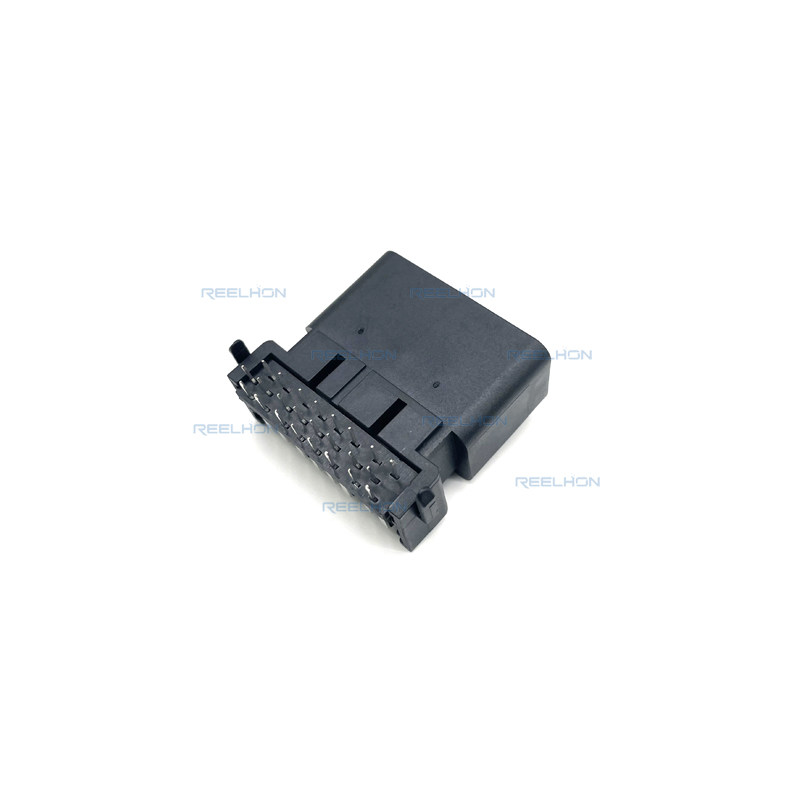
The automotive wire connector represents one of the most critical components in modern vehicle electrical systems. Importers and manufacturers who source or assemble automotive wire connectors must understand the engineering principles that ensure security, reliability, and long-term performance. A properly engineered automotive wire connector withstands vibration, temperature extremes, moisture, and electrical stress that occur throughout a vehicle's operational lifespan. This article explores the essential engineering considerations that drive automotive wire connector specification, design validation, and quality assurance in B2B supply chains.

For B2B importers evaluating suppliers or selecting specifications for new applications, the difference between a basic connector and a secure automotive wire connector directly impacts warranty claims, field failures, and customer satisfaction. Engineering a robust automotive wire connector requires attention to material selection, contact resistance, terminal seating force, and environmental sealing. Understanding these factors helps buyers make informed sourcing decisions and validate supplier compliance with automotive standards.
Material Selection and Contact Integrity
Copper Alloy Specifications for Automotive Wire Connector Contacts
The contact material used in an automotive wire connector fundamentally determines electrical conductivity and corrosion resistance. Most premium automotive wire connector designs employ phosphor bronze or brass-based alloys plated with tin or nickel to resist oxidation in humid and corrosive environments. These alloys maintain low contact resistance even after thousands of mating cycles, a critical requirement for automotive wire connector reliability in engine compartments and underbody locations where moisture and salt exposure accelerate degradation. B2B importers should verify that suppliers specify UNS C51000 or equivalent materials, which deliver consistent spring properties and contact force retention over the connector's service life.
Plating and Surface Treatment Standards
Surface protection transforms raw copper alloys into durable automotive wire connector contacts. Tin plating, typically 0.5 to 2.0 micrometers thick, prevents tarnishing and reduces contact resistance buildup during storage and in-field operation. Automotive wire connector designs that incorporate selective nickel underplating beneath the tin layer add additional corrosion protection in applications exposed to salt spray or industrial environments. Quality automotive wire connector suppliers subject all plated contacts to salt spray testing per ASTM B117, often extending exposure to 1000 hours to simulate decades of environmental stress. Importers should request test certificates confirming plating thickness and adhesion strength before finalizing automotive wire connector purchases.
Mechanical Security and Connector Architecture
Terminal Seating Force and Retention Mechanisms
Mechanical security in an automotive wire connector depends on precise terminal seating force and positive retention. Each automotive wire connector cavity must exert sufficient force to grip the wire terminal without cold-welding or deforming it. Industry standards like ISO 6722 and AEC-Q200 specify seating force ranges for different wire gauges, typically ranging from 3 to 15 newtons depending on terminal size. Automotive wire connector designs incorporate ratcheting systems, double-crimp grooves, or latching arms that prevent accidental terminal withdrawal during vibration or maintenance. A properly engineered automotive wire connector resists withdrawal forces exceeding 30 newtons, ensuring that vibration in vehicle applications never causes terminal separation or intermittent electrical faults.
Strain Relief and Wire Anchor Design
The interface between the wire insulation and the automotive wire connector body represents a critical stress concentration point. Engineering a resilient automotive wire connector requires strain relief elements that gradually transition mechanical load from the rigid connector housing to the flexible wire insulation. Molded strain relief boots, typically constructed from thermoplastic rubber or polyurethane, distribute bending stress over a larger contact area, reducing the risk of wire breakage at the connector entry point. Advanced automotive wire connector designs incorporate internal wire anchoring with barbs or ridges that mechanically lock the insulation within the housing, providing redundant retention if the solder joint fails. Importers evaluating suppliers should request pull-test data confirming that the automotive wire connector assembly withstands 20-kilogram tensile loads without insulation slippage or internal wire damage.
Environmental Sealing and Reliability Performance
Moisture Ingress Prevention in Sealed Automotive Wire Connector Designs
Environmental sealing transforms an automotive wire connector from a basic electrical component into a robust subsystem capable of operating in harsh underhood and exterior vehicle locations. Silicone or fluoroelastomer seals embedded in connector cavities create a moisture barrier around each terminal, preventing salt water intrusion during car washes or coastal service. The automotive wire connector housing itself typically incorporates secondary seals at the wire entry point and mating interface, creating a labyrinth that forces water to travel multiple pathways before reaching live electrical contacts. IP67 or IP68 rated automotive wire connector designs undergo submersion testing at depths exceeding one meter for extended periods, validating that internal cavities remain dry and corrosion-free. For automotive wire connector importers serving marine, truck, or off-road markets, sealed designs prove essential for warranty management and long-term customer retention.
Temperature and Thermal Cycling Resilience
Automotive environments subject wire connectors to extreme temperature swings that challenge material properties and electrical performance. A robust automotive wire connector must maintain contact resistance and mechanical integrity across the operational temperature range, typically minus 40 to plus 125 degrees Celsius in automotive applications. Polymer housing materials must resist thermal degradation, maintaining dimensional stability and seal compression over thousands of heating and cooling cycles. Premium automotive wire connector designs employ nylon 6.6 or liquid crystal polymer housings that retain their mechanical strength and shrinkage resistance in underhood environments. B2B importers should require accelerated thermal cycling test data from suppliers, typically 500 or 1000 cycles between extreme temperatures, confirming that insulation resistance and contact force remain within specification limits throughout the automotive wire connector's service life.
Compliance, Testing, and Quality Assurance
Automotive Industry Standards and Certification Pathways
Sourcing a compliant automotive wire connector requires understanding the regulatory landscape and certification requirements that govern automotive electrical components. ISO 6722 establishes dimensional and performance standards for single-pole automotive wire connector designs, defining cavity geometry, terminal contact dimensions, and seating force specifications. AEC-Q200 provides a quality and reliability qualification framework for passive electronic components used in automotive applications, including pull-to-seat testing, vibration endurance, and high-temperature life testing specific to automotive wire connector designs. OEM specifications from major vehicle manufacturers often exceed baseline standards, requiring automotive wire connector designs to deliver superior performance in moisture ingress, electrical continuity under transient current conditions, and mechanical durability. B2B importers must verify that selected suppliers maintain AEC-Q200 certification or equivalent qualification documentation before qualifying an automotive wire connector for high-volume production supply agreements.
Third-Party Testing and Performance Validation
Purchasing decisions should always include verification of independent testing results and performance validation. Reputable automotive wire connector suppliers maintain accreditation with recognized testing laboratories and commit to periodic third-party audits of manufacturing processes and quality control procedures. Pull testing, insulation resistance measurement, contact resistance profiling, and accelerated life testing provide objective evidence that an automotive wire connector meets published performance claims. Importers negotiating large purchase commitments should require First Article Inspection reports and ongoing product audit rights, ensuring that production lots maintain the same performance characteristics as qualification samples. This proactive approach to automotive wire connector validation prevents costly field failures and warranty claims that can exceed the original component cost by tenfold or more.
FAQ
What makes an automotive wire connector secure against vibration and mechanical stress?
A secure automotive wire connector combines precise terminal seating force, redundant retention mechanisms such as latching arms or ratcheting grooves, and strain relief elements that distribute mechanical load gradually across the wire insulation. The terminal must maintain grip force above 3 newtons for small wire gauges and up to 15 newtons for larger conductors, ensuring that vehicle vibration never causes terminal withdrawal or intermittent electrical faults. Mechanical testing confirms that a properly engineered automotive wire connector resists withdrawal forces exceeding 30 newtons, validating its ability to maintain electrical continuity throughout the vehicle's operational life.
How does environmental sealing protect an automotive wire connector from moisture and corrosion?
Environmental sealing in an automotive wire connector incorporates multiple barriers including silicone or fluoroelastomer cavity seals, secondary wire entry seals, and labyrinth-style mating interfaces that force water to travel multiple pathways before reaching live electrical contacts. Premium automotive wire connector designs achieve IP67 or IP68 ratings, meaning they withstand submersion at depths exceeding one meter without internal moisture ingress. This layered sealing approach prevents salt water, humidity, and corrosive chemicals from reaching copper alloy contacts, eliminating the primary cause of contact resistance drift and electrical faults in automotive applications.
What testing and certifications should importers require from automotive wire connector suppliers?
B2B importers should require AEC-Q200 certification or equivalent automotive qualification documentation, confirming that the automotive wire connector manufacturer maintains established quality and reliability standards. Suppliers should provide salt spray testing results per ASTM B117, thermal cycling validation across minus 40 to plus 125 degrees Celsius for 500 or 1000 cycles, pull testing data confirming mechanical retention, and insulation resistance measurements. automotive wire connector suppliers should maintain third-party testing accreditation and permit first-article inspection audits, providing objective evidence that production lots meet published performance specifications and regulatory requirements before high-volume shipments begin.