
 EN
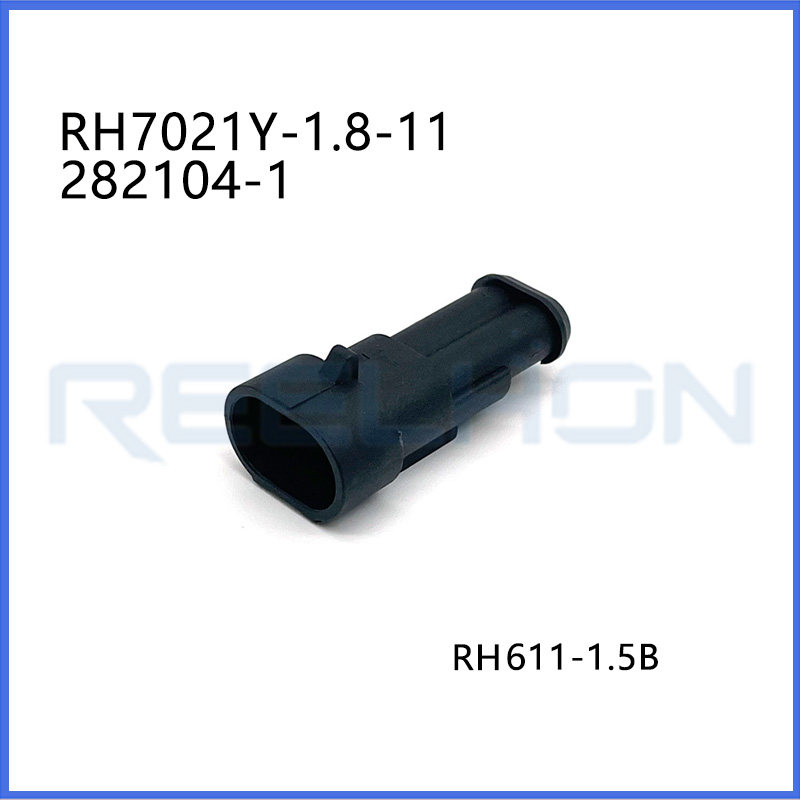
The evolution of industrial machinery depends fundamentally on the quality and innovation of its component parts, and few components are as critical as the connector plug. Modern manufacturing facilities, automotive production lines, and heavy-duty equipment rely on connector plug systems that can withstand extreme temperatures, corrosive environments, and demanding operational cycles. Material science advances have revolutionized how connector plug designs perform, pushing beyond traditional copper and brass alloys to incorporate advanced polymers, specialized coatings, and composite solutions that deliver superior conductivity, longevity, and reliability.

Understanding the material innovations driving connector plug development helps industrial decision-makers select components that align with operational demands, cost constraints, and sustainability goals. Whether you manage equipment maintenance, design control systems, or oversee procurement decisions, recognizing how material breakthroughs enhance connector plug performance directly impacts machinery uptime and total cost of ownership.
Material Composition Advances in Connector Plug Technology
Evolution Beyond Traditional Alloys
Historically, the connector plug relied on pure copper and standard brass formulations that provided adequate conductivity but offered limited environmental resistance. Today's connector plug materials incorporate advanced alloy systems including beryllium copper, nickel-plated brass, and specialized stainless steel variants that dramatically improve performance across multiple dimensions. These enhanced connector plug formulations maintain superior electrical conductivity while resisting oxidation, tarnishing, and corrosion that can compromise signal integrity and create operational failures in critical machinery applications.
The connector plug industry has also embraced selective nickel plating and gold layering techniques that create protective barriers against harsh industrial conditions. A properly engineered connector plug with multi-layered metallic protection maintains stable contact resistance over thousands of mating cycles, preventing the intermittent connection failures that plague older equipment. This material advancement in connector plug design translates directly to reduced downtime, fewer diagnostic headaches, and extended equipment service life.
Polymer and Composite Integration
Beyond metal composition, connector plug innovation increasingly focuses on the insulation housings and sealing elements that surround conductive materials. Modern connector plug systems incorporate specialized engineering polymers such as polyetheretherketone (PEEK), polyphenylene sulfide (PPS), and thermoplastic elastomers that withstand extreme temperature fluctuations, chemical exposure, and mechanical stress. These materials ensure that the connector plug maintains its structural integrity in environments ranging from subzero conditions to high-temperature industrial settings exceeding 200 degrees Celsius.
The connector plug housing materials also determine waterproofing and contamination resistance, which proves essential for outdoor machinery, maritime applications, and heavily polluted industrial environments. Advanced sealing compounds integrated into connector plug designs create hermetic seals that prevent moisture ingress, salt spray penetration, and particulate contamination that would otherwise corrode internal contacts and degrade electrical performance. This multi-material approach to connector plug engineering represents a fundamental shift toward holistic reliability rather than single-material dependency.
Performance Enhancements Through Material Innovation
Contact Resistance and Signal Integrity
Material innovations directly influence how well a connector plug maintains low contact resistance under operational stress. High-quality connector plug materials with superior electrical properties minimize voltage drops across connection points, reducing heat generation and power loss in critical industrial circuits. For machinery relying on precision signal transmission—such as automated control systems, sensor networks, and real-time monitoring equipment—a well-engineered connector plug with optimized material composition ensures reliable data flow without degradation or interference.
The connector plug's ability to resist fretting corrosion and micro-motion induced oxidation depends entirely on material selection and surface treatment quality. When machinery vibrates, thermal cycling occurs, or environmental conditions fluctuate, inferior connector plug materials can develop microscopic surface degradation that causes intermittent connection problems. Modern material innovations addressing this challenge include specialized surface finishes and alloy compositions that actively resist fretting corrosion, meaning your connector plug maintains consistent performance throughout its operational lifetime.
Temperature Stability and Thermal Performance
Industrial applications frequently expose connector plug systems to temperature extremes that would destroy conventional materials. Advanced connector plug materials selected for their thermal stability maintain electrical properties across wide temperature ranges without embrittlement, excessive expansion, or loss of mechanical strength. This thermal resilience proves especially important in machinery that experiences rapid heating and cooling cycles, where material fatigue accumulation in inferior connector plug designs can lead to premature failure and costly equipment downtime.
The connector plug material's thermal conductivity rating directly affects heat dissipation from contact points, preventing localized hotspots that accelerate degradation in surrounding components. High-performance connector plug materials engineered for thermal management allow industrial equipment to operate safely at higher current levels while maintaining acceptable temperature profiles. This capability expands machinery operational capacity without requiring additional cooling infrastructure or circuit modifications.
Environmental Resilience and Durability Standards
Chemical Resistance and Corrosion Protection
Industrial environments frequently expose connector plug systems to aggressive chemicals, caustic cleaning solutions, and corrosive atmospheric conditions that rapidly degrade standard materials. Modern connector plug innovations incorporate materials selected specifically for chemical inertness and corrosion resistance, allowing equipment to operate reliably in refineries, chemical processing facilities, agricultural environments, and marine applications. The connector plug material's resistance rating determines whether connections remain stable after prolonged exposure to sulfurous compounds, salt spray, acidic conditions, or petroleum-based solvents.
Strategic material selection in connector plug design extends equipment lifespan while reducing maintenance frequency and associated costs. Equipment operators who specify connector plug components with proven chemical resistance ratings avoid the expensive replacement cycles characteristic of inferior designs. This material-driven durability improvement represents a significant competitive advantage in industries where downtime costs directly impact profitability and customer satisfaction.
Moisture and Contamination Barriers
Moisture intrusion represents one of the primary failure mechanisms in electrical connections, making connector plug sealing materials as important as conductive elements. Advanced waterproofing materials integrated into connector plug designs create reliable barriers against condensation, direct water exposure, and high-humidity environments that would otherwise cause internal corrosion. The connector plug's environmental rating—such as IP67 or IP68 designations—reflects the effectiveness of its material-based sealing systems in protecting against water and particulate contamination.
Contamination-resistant connector plug materials also address the specific challenge of industrial dust, metal particles, and airborne contaminants that settle inside connections. Modern connector plug sealing compounds and contact geometry innovations work together to exclude contaminants while maintaining reliable mating performance across extended operational cycles. This material-driven contamination resistance ensures machinery reliability in environments where conventional connector plug designs would suffer repeated connection failures.
FAQ
How do connector plug material innovations affect total cost of ownership in industrial machinery?
Advanced connector plug materials reduce total cost of ownership through decreased downtime, extended service intervals, and lower replacement frequency. While premium connector plug components initially cost more than conventional designs, the material-driven reliability improvements typically recover that investment within twelve to twenty-four months through avoided maintenance expenses and prevented production losses. Additionally, connector plug systems engineered with durable materials generate predictable operational budgets, eliminating surprise failures that disrupt production schedules and strain maintenance resources.
What specific connector plug material properties matter most for harsh industrial environments?
For harsh industrial environments, connector plug material selection should prioritize temperature stability, chemical resistance, and moisture barrier effectiveness above all other factors. Your specific application requirements determine whether a connector plug needs superior thermal conductivity, enhanced corrosion resistance, or specialized sealing performance. The connector plug material's environmental rating, coatings, and insulation composition should directly match your operational conditions to ensure long-term reliability without unexpected connection failures.
Can connector plug material innovations support increased current capacity in existing equipment?
Yes, advanced connector plug materials with superior thermal management properties can accommodate increased current levels compared to conventional designs. The connector plug's material composition affects heat dissipation, contact resistance, and thermal stability, all of which influence maximum safe operating current. However, upgrading to higher-capacity connector plug components requires careful compatibility assessment with existing circuitry and equipment design specifications. Consulting engineering documentation and supplier guidance ensures your connector plug upgrade delivers intended performance improvements without creating system imbalances.