
 EN
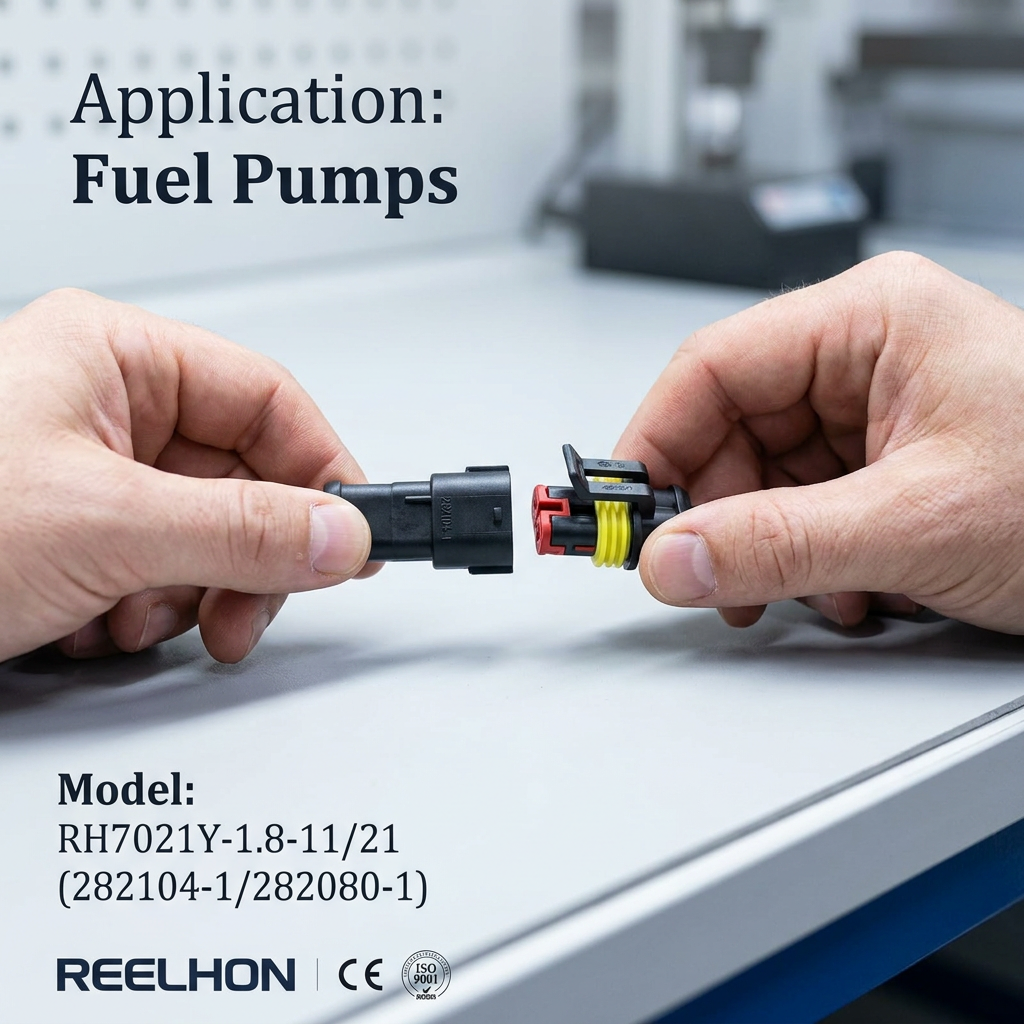
Selecting the right connector plug for your power distribution kit is a critical decision that directly impacts system reliability, safety, and operational efficiency. A connector plug serves as the physical and electrical interface between power sources and distribution components, making its quality and specifications essential for any industrial application. When you invest in customizable connector plug solutions, you gain flexibility to match exact voltage requirements, current capacity, environmental conditions, and installation constraints specific to your operation. Understanding the range of available connector plug options empowers you to design power distribution systems that perform consistently while minimizing downtime and maintenance costs.

Power distribution kits require connector plug systems that adapt to diverse industrial environments, from manufacturing facilities to outdoor construction sites. A well-engineered connector plug combines electrical performance with mechanical durability, ensuring stable connections even under vibration, moisture, temperature fluctuation, and frequent connect-disconnect cycles. The customizable nature of modern connector plug technology allows you to specify pin configurations, voltage ratings, current capacities, seal materials, and housing designs to match your exact operational demands. This flexibility transforms connector plug selection from a one-size-fits-all commodity decision into a strategic opportunity to enhance system performance and longevity.
Understanding Core Connector Plug Specifications
Electrical Rating and Load Capacity
Every connector plug must be rated for the specific electrical demands of your power distribution application. Voltage rating defines the maximum potential difference a connector plug can safely handle without risk of arcing or dielectric breakdown, typically ranging from 12V in light-duty automotive applications to 690V in industrial three-phase systems. Current capacity determines how many amperes flow through a connector plug without generating excessive heat that could degrade internal contacts and insulation materials. When you select a connector plug, you must verify that both voltage and current ratings exceed your actual system requirements by an appropriate safety margin, typically ten to twenty percent. Undersized connector plug ratings create fire hazards and component failures, while oversized specifications waste resources and increase system cost. The connector plug you choose should be clearly marked with its electrical specifications and comply with relevant industrial standards such as IEC, UL, or CSA certifications.
Pin Configuration and Contact Design
A connector plug's pin arrangement directly determines which devices and power distribution components it can interface with. Standard connector plug configurations range from two-pin designs for simple DC circuits to twelve-pin or more for complex multi-phase industrial systems requiring separate circuits for power, control signals, and grounding. Each individual contact within a connector plug must maintain low resistance at the mating interface to minimize power loss and heat generation. Gold-plated or silver-plated contacts provide superior electrical performance compared to bare copper, offering better corrosion resistance and more reliable connections over thousands of mating cycles. When designing your power distribution kit, the connector plug pin configuration must align with your specific wiring topology, ensuring that power phases, neutral, and ground connections follow proper electrical standards. Advanced connector plug designs incorporate shrouded pins or recessed contacts to prevent accidental contact with live conductors, significantly improving user safety during installation and maintenance operations.
Environmental and Mechanical Considerations for Connector Plug Selection
Sealing and Waterproofing in Industrial Connector Plug Systems
Industrial environments frequently expose connector plug systems to moisture, dust, chemicals, and temperature extremes that degrade ordinary electrical connections. A properly sealed connector plug incorporates rubber or elastomer gaskets around each pin entry point, preventing water and contaminants from reaching the internal contacts. IP67 and IP68 rated connector plug designs are specifically engineered for submersion or high-pressure washing scenarios common in food processing, chemical manufacturing, and marine applications. Connector plug housings constructed from UV-resistant polycarbonate or reinforced nylon withstand prolonged outdoor exposure without becoming brittle or discolored. For power distribution kits deployed in challenging environments, investing in a connector plug with comprehensive sealing features prevents corrosion-related failures and extends the overall system lifespan. The connector plug you select should include drain holes or moisture relief channels that prevent water accumulation inside mated connections, maintaining electrical integrity even after extended exposure to damp conditions.
Mechanical Durability and Installation Features
The physical robustness of your connector plug determines how well it withstands repeated connection cycles, mechanical shock, and vibration inherent in industrial applications. Locking mechanisms integrated into the connector plug housing—such as bayonet locks, threaded couplings, or push-pull latches—ensure connections remain secure during equipment operation and transport. A connector plug with ample strain relief on the cable entry prevents internal wire breaks caused by bending or pulling, a common failure mode in power distribution systems. Polarization features built into a connector plug design prevent accidental reverse polarity connection, protecting sensitive equipment from damage. The connector plug should feature clear labeling indicating pin functions and voltage ratings, reducing installation errors and supporting safe maintenance procedures. Weatherproof caps or protective covers for a connector plug add minimal cost while preventing dust infiltration during storage and transport, preserving connection reliability when the kit is eventually deployed.
Customization Options and Implementation in Power Distribution Kits
Tailoring Connector Plug Configurations to Your System Architecture
Modern manufacturing allows you to customize virtually every aspect of your connector plug to match your specific power distribution topology. You can specify the exact number of pins in your connector plug, select contact materials optimized for your voltage and current requirements, and choose housing colors or patterns for visual circuit identification. Cable length, wire gauge, and termination style for a connector plug can be optimized to your installation layout, eliminating unnecessary slack while ensuring adequate flexibility. Custom connector plug designs accommodate special features such as integrated fuses, surge protection devices, or temperature monitoring sensors that enhance system safety and performance. When your power distribution kit requires compatibility with legacy equipment, a custom connector plug can be engineered to match historical specifications while incorporating modern electrical improvements. This level of connector plug customization ensures your power distribution system achieves optimal performance, safety, and maintainability from the moment of installation.
Integration and Standards Compliance for Industrial Connector Plug Applications
Your connector plug must comply with applicable electrical codes and industry standards for the jurisdictions where your power distribution kit operates. European installations require IEC 61076 compliance for industrial connector plug systems, while North American applications typically follow UL 1977 standards. Automotive and mobile equipment power distribution often depends on ISO 6722 connector plug specifications for heavy-duty applications. When you work with a connector plug manufacturer that maintains multiple certifications, you ensure compatibility across different markets and applications. Detailed technical documentation for your connector plug should include dimensional drawings, contact force specifications, and mating cycle ratings, supporting proper installation and maintenance. Selecting a connector plug from manufacturers with established quality systems and traceability ensures consistent performance and enables efficient replacement or warranty support if issues arise.
FAQ
What makes a connector plug suitable for outdoor power distribution environments?
A connector plug designed for outdoor power distribution must feature comprehensive sealing with rubber gaskets, UV-resistant housing materials, and corrosion-resistant contacts typically plated with silver or gold. The connector plug should carry IP67 or IP68 ratings, indicating protection against dust and temporary water immersion, and include drainage provisions to prevent moisture accumulation. Environmental stress cracking resistance ensures your connector plug maintains structural integrity through repeated temperature cycling, freeze-thaw cycles, and prolonged exposure to ultraviolet radiation without becoming brittle or failing prematurely.
How do I determine the correct pin count for my connector plug configuration?
Pin count for your connector plug depends directly on your power distribution system architecture, specifically the number of independent circuits requiring connection. A single-phase power distribution typically requires three pins for line, neutral, and ground, while three-phase industrial systems need five pins minimum. Review your power distribution schematic to identify all independent circuits, control signals, and grounding requirements, then select a connector plug with sufficient pins to accommodate current needs plus at least one spare pin for future expansion or redundancy. Consulting with your power distribution kit designer or electrical engineer ensures your connector plug configuration aligns with current electrical codes and safety standards.
Can a connector plug be retrofitted to replace an existing power distribution interface?
Retrofitting an existing power distribution system with a new connector plug is feasible if your target connector plug matches voltage and current ratings of the original interface and provides compatible physical dimensions. Your connector plug must accommodate the existing cable gauges used in your power distribution kit without requiring complete rewiring. If your replacement connector plug uses different pin assignments, you must carefully map each wire according to the new pin configuration and verify polarity before energizing the system. Many connector plug manufacturers offer adapter plates or intermediate harnesses that enable compatibility between different connector plug generations, preserving your investment in existing power distribution infrastructure while upgrading to improved connector plug technology.