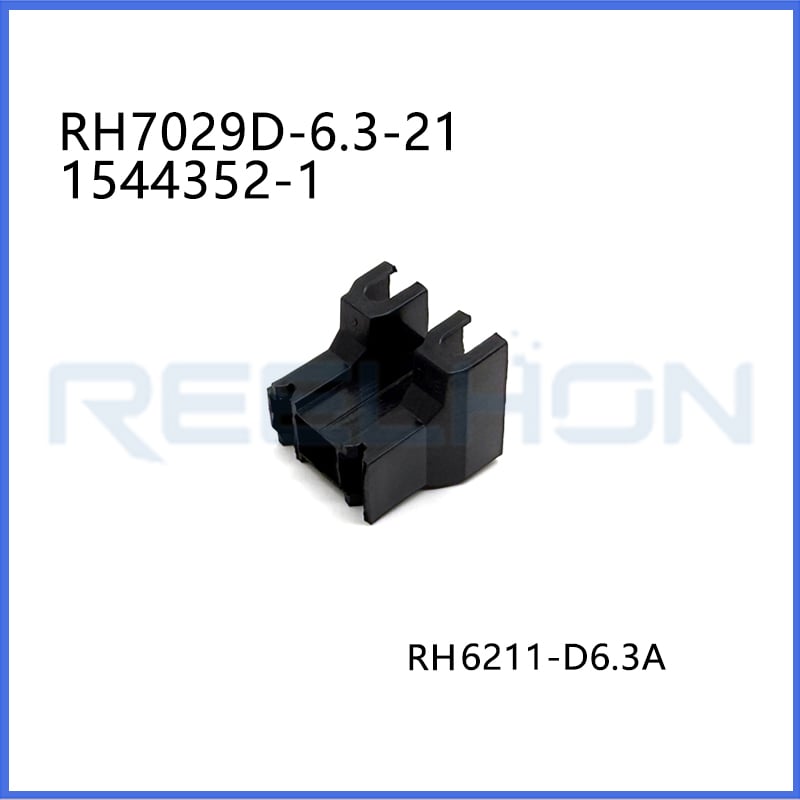
types of wire connectors automotive
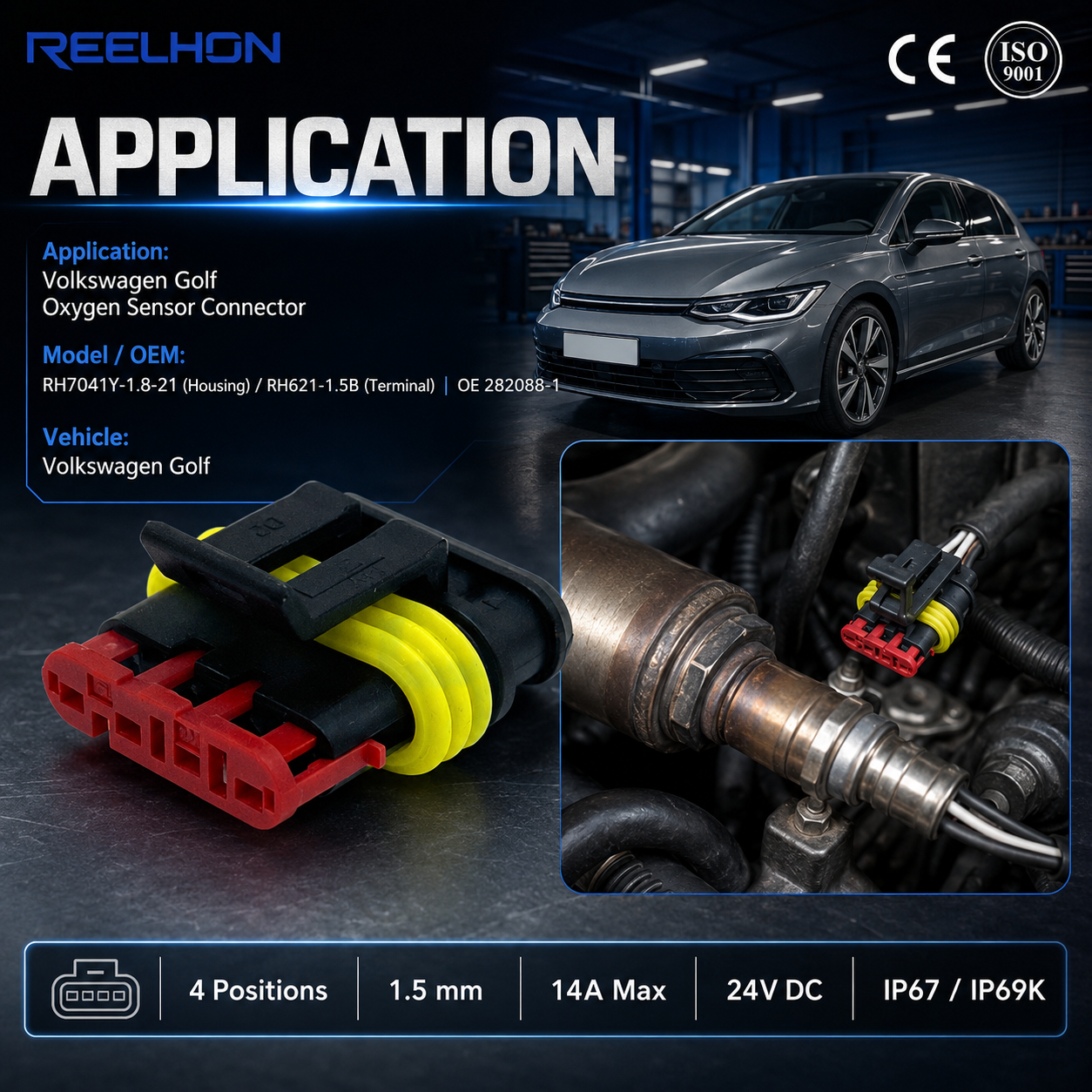
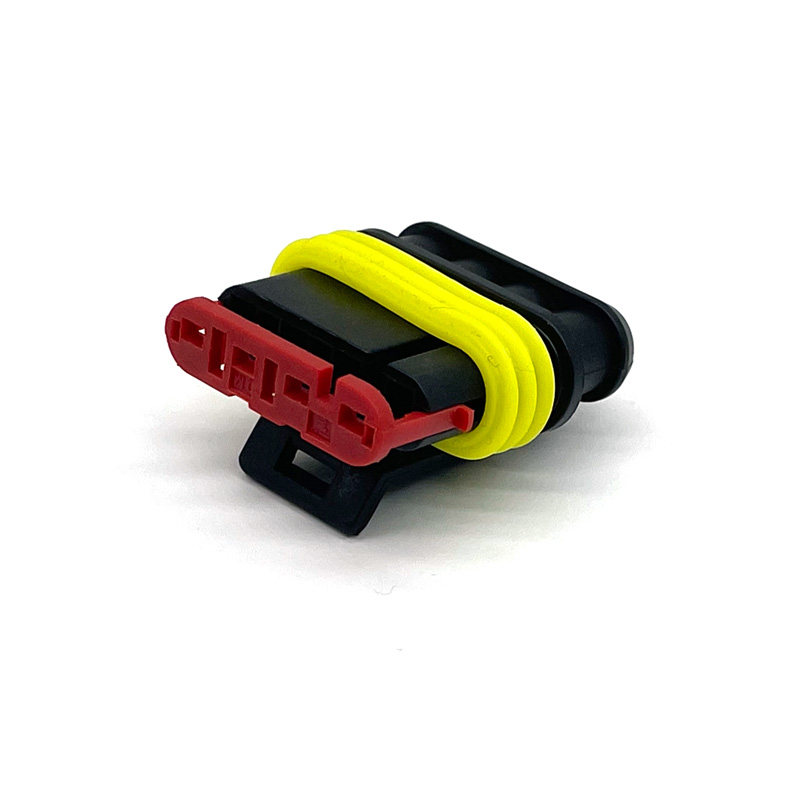
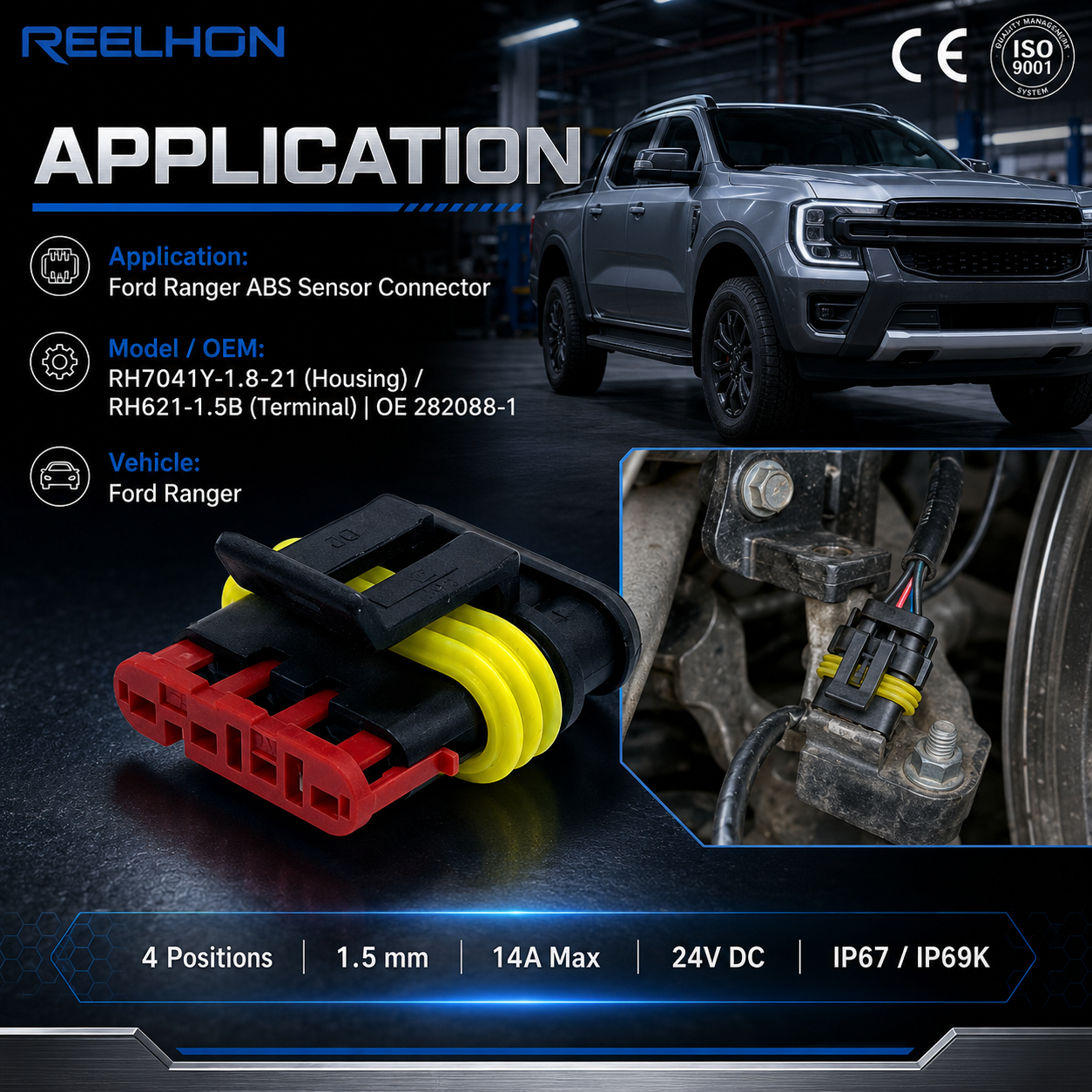
Understanding the types of wire connectors automotive is essential for anyone working with vehicle electrical systems. Automotive wire connectors serve as critical components that join electrical circuits, ensuring reliable power distribution and signal transmission throughout a vehicle. These connectors maintain secure connections between wires, sensors, control modules, and various electrical components while withstanding harsh automotive environments. The main types of wire connectors automotive include blade connectors, bullet connectors, ring terminals, spade terminals, butt connectors, weatherpack connectors, and Deutsch connectors. Each type features specific design characteristics suited to particular applications. Blade connectors offer quick disconnection capabilities for dashboard components and fuse boxes. Bullet connectors provide simple plug-and-play connections for temporary or semi-permanent installations. Ring terminals create secure bolted connections to ground points and battery terminals. Weatherpack and Deutsch connectors incorporate sealed housings that protect against moisture, dirt, and vibration in engine bays and underbody locations. Technological features of these types of wire connectors automotive include materials resistant to corrosion, heat, and chemical exposure. Many incorporate locking mechanisms preventing accidental disconnection during vehicle operation. Color-coding systems facilitate proper wire gauge matching and circuit identification. Applications span across lighting systems, engine management, infotainment systems, safety features, and charging systems. Professional automotive technicians, DIY enthusiasts, and manufacturers rely on selecting appropriate types of wire connectors automotive to ensure electrical system integrity, facilitate maintenance procedures, and prevent electrical failures that compromise vehicle performance and safety.

 EN