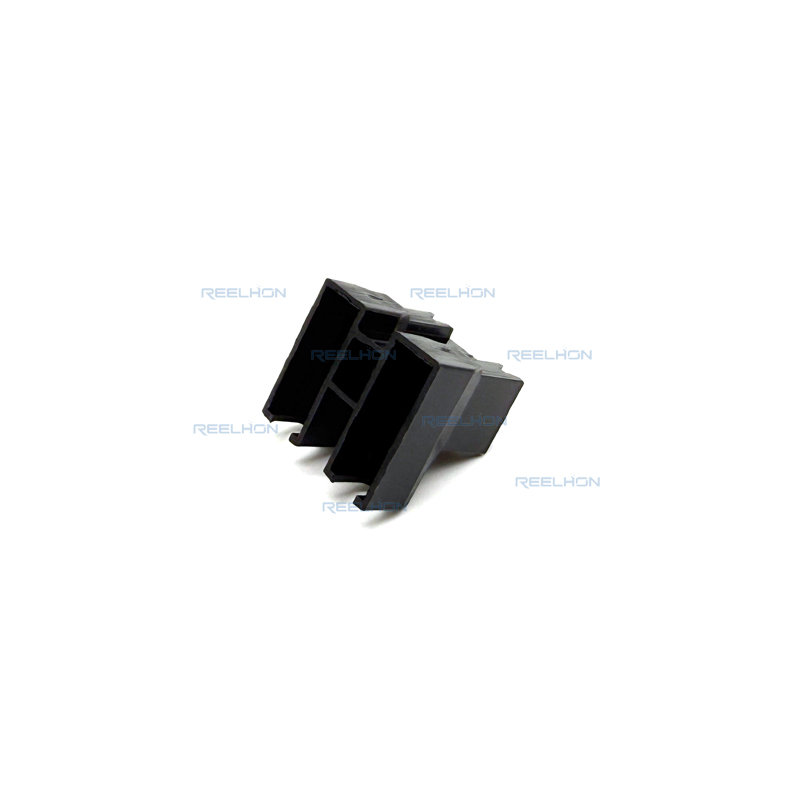
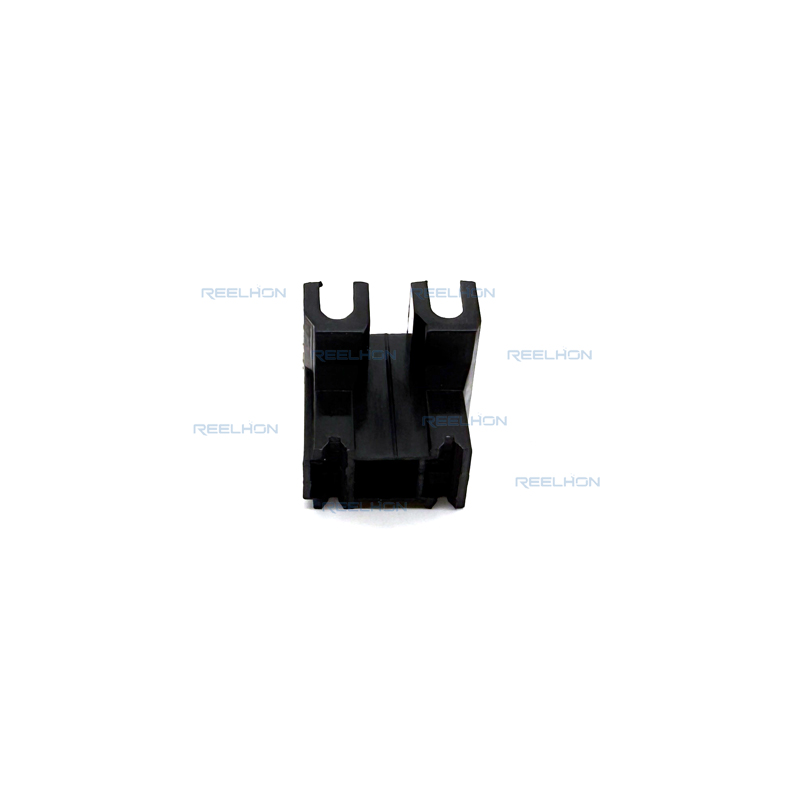
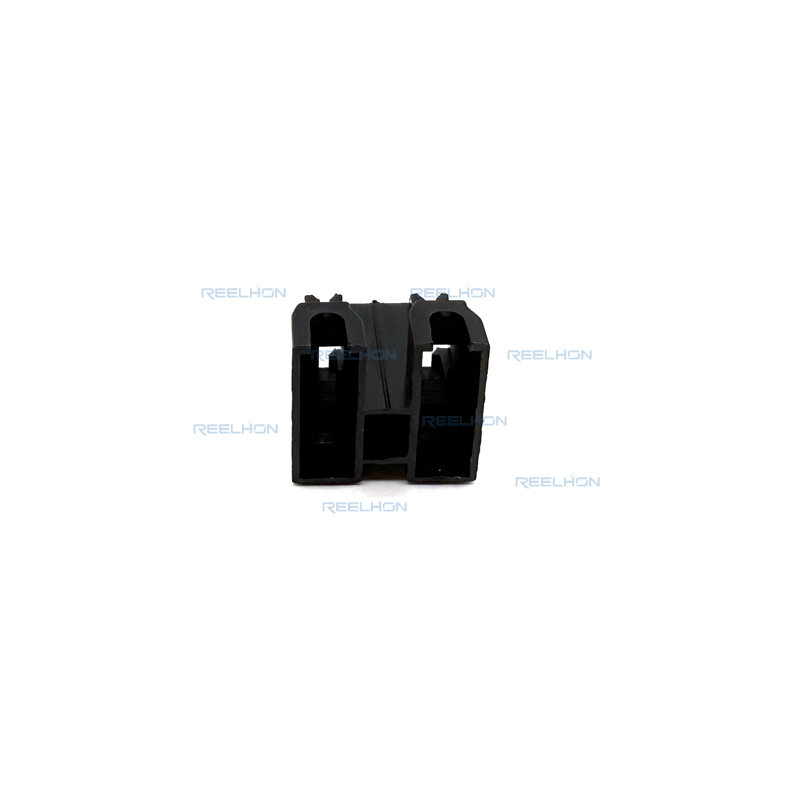
Nominal Voltage Architecture (V): 12
Connector and Housing Type: Female Terminal Sheath
Number of Positions: 2
Sealable: No
Operating Temperature Range: -40 – 125 °C [ -40 – 257 °F]
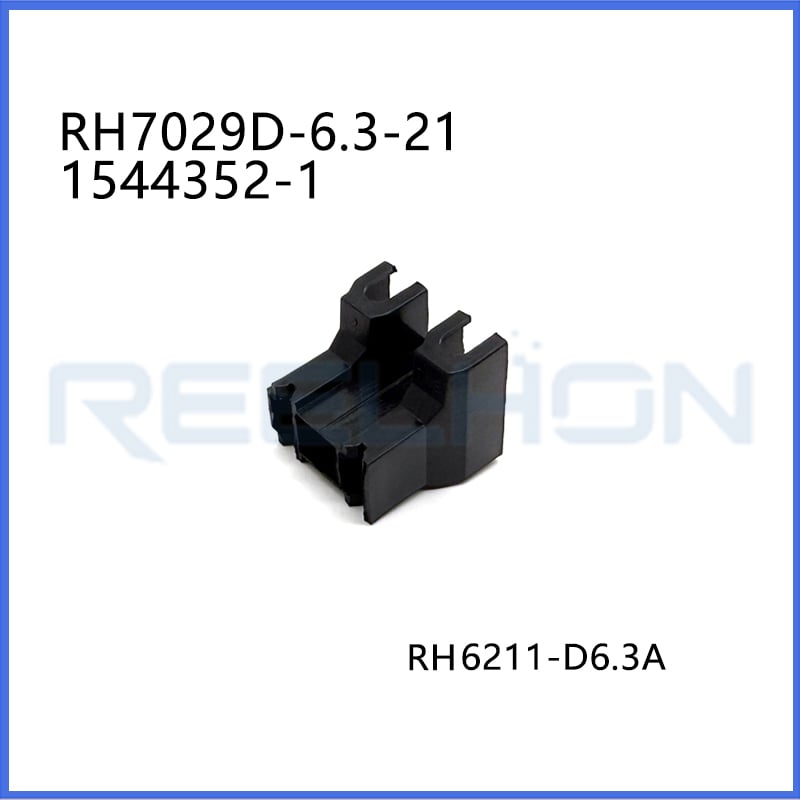
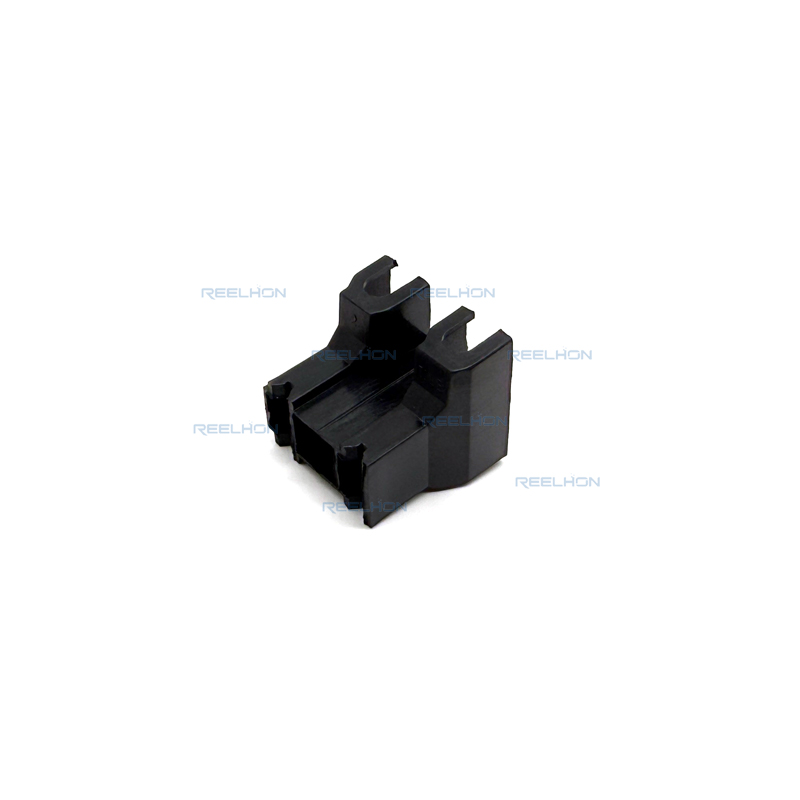
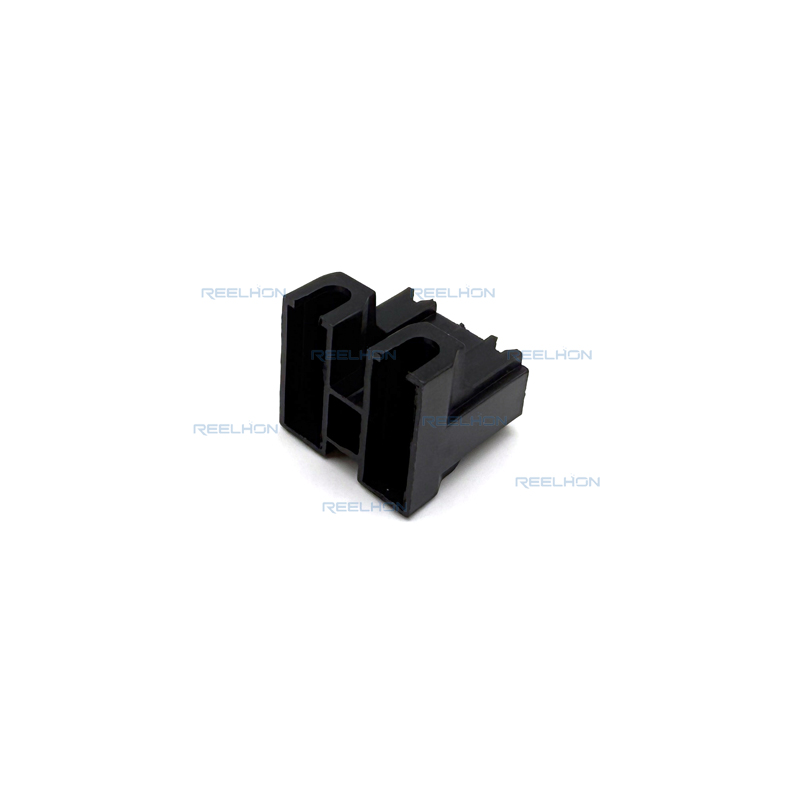
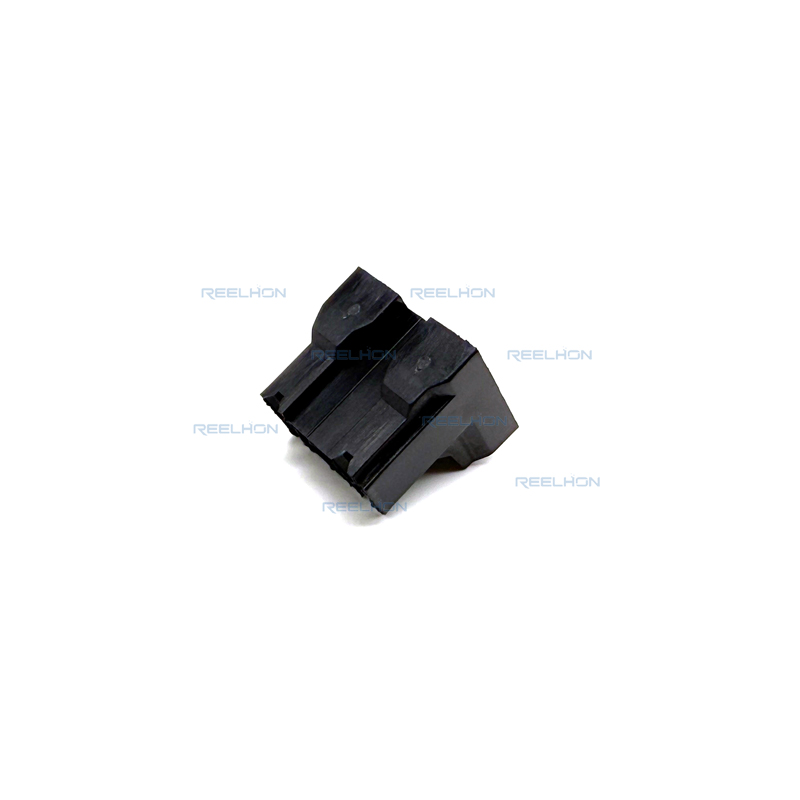
This product is a high-performance 12V, 2-position automotive housing specifically engineered for female terminals, falling under the wire-to-device category with a sleek, corrosion-resistant black finish. It is categorized under wire & cable and power applications, serving as a critical component of the NG Power Terminals and Connectors series—a collaborative offering from AMP and TE Connectivity, two globally recognized leaders in connectivity solutions. Both brands have long been celebrated in the automotive industry for their unwavering commitment to reliability, technological innovation, and adherence to the strictest industry standards. Designed to withstand the harsh operating conditions of automotive environments, this connector is meticulously crafted to meet the rigorous demands of in-vehicle power transmission, guaranteeing stable, efficient, and long-lasting electrical connections even amidst constant vehicle vibration, temperature fluctuations, and mechanical stress.
Officially designated by TE Connectivity with the Internal Part Number 1544352-1 and Internal Product Description CAP.CLIP DRAPEAU 6, the connector also carries an alias ID P8028487002. These unique identifiers are essential for streamlining processes such as product identification, inventory management, and replacement during both mass production and after-sales maintenance, ensuring accuracy and efficiency for automotive manufacturers, repair technicians, and parts suppliers. Its nominal voltage architecture is set at 12V, a standard that aligns perfectly with the power supply systems of most passenger cars, commercial vehicles, and light-duty trucks, making it a highly versatile and widely applicable connectivity solution across the automotive sector.
In terms of structural design, the connector features a 2-position configuration that is specifically tailored to accommodate female terminals, enabling secure, precise, and low-resistance wire-to-device connections. The housing is constructed from high-grade, durable engineering plastics that offer exceptional mechanical strength, wear resistance, and dimensional stability. This robust material ensures a tight, secure fit with female terminals, effectively preventing loose connections that can result from the constant vibration and movement inherent in automotive operating environments— a common cause of electrical failures in in-vehicle systems. Notably, this connector is non-sealed, making it ideally suited for indoor or semi-protected installation locations within the vehicle where waterproofing is not a primary requirement, such as interior electrical control panels, dashboard wiring harnesses, and other dry, sheltered areas.
One of the most notable advantages of this connector is its exceptional operating temperature range, which spans from -40 °C to 125 °C (-40 °F to 257 °F). This broad temperature tolerance is a result of advanced material selection and precision manufacturing, allowing the connector to perform consistently and reliably in extreme weather conditions. Whether exposed to the frigid cold of winter in high-latitude regions or the scorching heat of summer in tropical areas, the connector maintains its electrical performance and structural integrity, eliminating the risk of signal loss, short circuits, or housing deformation. This reliability makes it suitable for long-term use in a wide range of climates and driving conditions, significantly reducing the likelihood of connector failure and ensuring the uninterrupted operation of critical in-vehicle electrical systems.
As a dedicated power connector, its primary function is to transmit power signals within automotive wire & cable systems, playing an indispensable role in supplying stable power to a variety of in-vehicle electrical components. These components include, but are not limited to, sensors, small motors, interior and exterior lighting systems, control modules, and auxiliary electrical devices. The connector’s wire-to-device design simplifies the installation process, allowing for quick and efficient connection between wires and electrical devices— a feature that enhances assembly efficiency on automotive production lines and reduces maintenance time and costs during after-sales service, ultimately benefiting both manufacturers and end-users.
The black finish of the housing not only lends the connector a sleek, professional appearance that integrates seamlessly with modern automotive interiors but also provides an additional layer of protection against dust, minor scratches, and environmental contaminants. This protective finish helps maintain the connector’s performance and aesthetics over its entire service life. As part of the NG Power Terminals and Connectors series, the product undergoes rigorous quality control processes, from raw material inspection to final assembly and testing, ensuring compliance with international automotive standards such as ISO/TS 16949. This commitment to quality guarantees that each connector meets the highest levels of reliability, safety, and performance expected in the automotive industry.
In summary, this 12V 2-position automotive female terminal housing connector is a high-reliability, versatile connectivity solution specifically designed for automotive power applications. Its precise specifications, durable construction, wide temperature range, and compatibility with standard automotive systems make it an ideal choice for automotive manufacturers, after-sales maintenance providers, and parts distributors. Whether used in new vehicle production or the replacement of worn or damaged connectors, it delivers consistent, dependable performance, ensuring the stable and safe operation of in-vehicle electrical systems. More than just a component, it embodies the professional quality, technical excellence, and customer-centric design that define AMP and TE Connectivity’s NG Power series, making it a trusted solution for the automotive industry’s connectivity needs.

Be the first to get our latest styles and offers.
5th Floor, Building 23, Phase 3, Tingtian Micro Park, Ruian City, Wenzhou, Zhejiang Province
Copyright © 2026 Ruian Ruihong Trading Co., Ltd. All rights reserved. - Privacy Policy
 EN
EN