Automotive Wire Connectors Types Guide

All Categories

Get a Free Quote

Our representative will contact you soon.
Subject
Email
Name
Phone/WhatsApp
Company Name
Message
0/1000

automotive wire connectors types

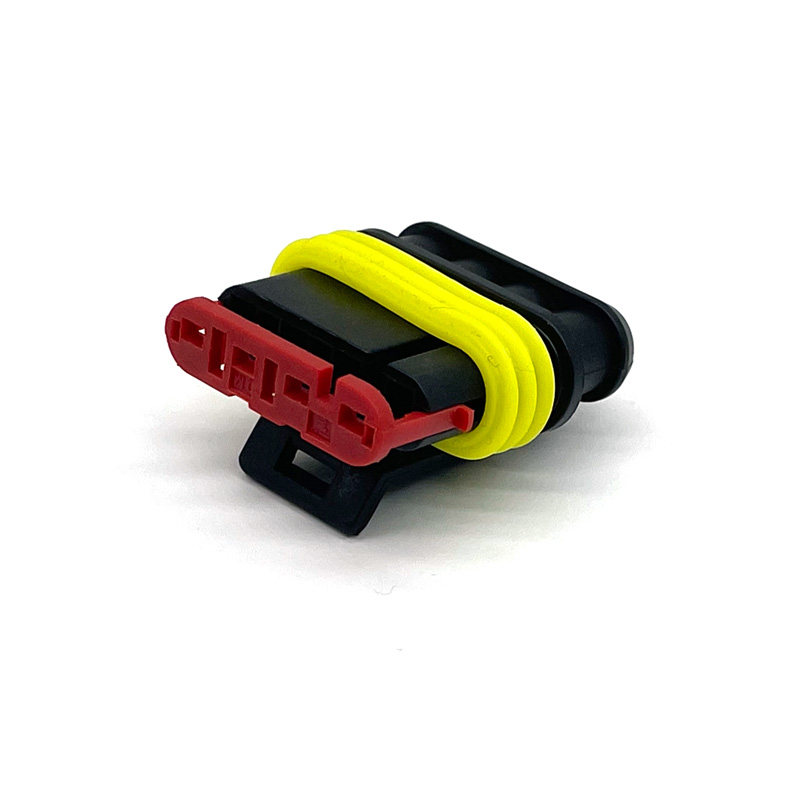
Automotive wire connectors types serve as critical electrical components that establish secure and reliable connections between various wiring systems in vehicles. These connectors ensure proper transmission of electrical signals and power throughout modern automobiles, supporting everything from basic lighting functions to advanced electronic control systems. The primary functions include maintaining consistent electrical continuity, preventing corrosion through sealed designs, and facilitating easy maintenance and repairs. Common automotive wire connectors types include blade connectors, bullet connectors, ring terminals, spade terminals, weather-pack connectors, and Deutsch connectors, each designed for specific applications and environmental conditions. Technological features vary across automotive wire connectors types, with many incorporating waterproof sealing, temperature resistance, vibration protection, and color-coded designs for easy identification. Advanced materials such as tin-plated copper, brass, and specialized plastics ensure durability and conductivity in harsh automotive environments. These connectors must withstand extreme temperatures ranging from minus forty to plus one hundred twenty-five degrees Celsius, resist exposure to oils, fuels, and road chemicals, while maintaining electrical integrity. Applications span across engine compartments, interior electronics, lighting systems, sensor networks, battery connections, and entertainment systems. Understanding the various automotive wire connectors types helps technicians, mechanics, and automotive engineers select appropriate solutions for specific electrical requirements, ensuring vehicle safety, performance, and longevity in demanding operational conditions.
New Product Releases

Selecting the right automotive wire connectors types delivers immediate practical benefits that enhance vehicle reliability and reduce maintenance costs over time. These connectors provide tool-free or simple installation procedures, allowing faster assembly during manufacturing and quicker repairs in service environments, directly saving labor expenses. The robust construction of quality automotive wire connectors types ensures consistent electrical performance even under severe vibration, temperature fluctuation, and moisture exposure, reducing unexpected failures that lead to costly breakdowns. Buyers gain long-term value through corrosion-resistant materials that extend connector lifespan significantly compared to inferior alternatives, minimizing replacement frequency and associated downtime. Different automotive wire connectors types accommodate various wire gauges and current capacities, offering flexibility to match specific electrical load requirements without oversizing or risking inadequate performance. The standardized designs across many automotive wire connectors types ensure compatibility with existing vehicle architectures, simplifying retrofits, upgrades, and repairs without extensive modifications. Clear color coding and shape differentiation among automotive wire connectors types prevent incorrect mating during installation, reducing human error and subsequent electrical faults. Sealed and waterproof variants protect sensitive electrical connections in exposed locations, preventing moisture ingress that causes short circuits and signal degradation. Operational benefits include improved fuel efficiency through reliable sensor connections, enhanced safety through dependable lighting and control system connectivity, and extended vehicle service life through reduced electrical system deterioration. For fleet managers and individual vehicle owners alike, investing in appropriate automotive wire connectors types means fewer roadside emergencies, lower repair bills, and greater confidence in vehicle electrical system integrity across diverse operating conditions and extended service intervals.

Latest News

Seal & Plug Solutions

19

May

Seal & Plug Solutions

View More
The Power of High-Precision Instrumentation in Manufacturing

19

May

The Power of High-Precision Instrumentation in Manufacturing

View More
2026: Automotive Connectors Step into High-Quality Development

19

May

2026: Automotive Connectors Step into High-Quality Development

View More
Driving Supply Chain Resilience: Excellence in Systematic Warehouse Operations

19

May

Driving Supply Chain Resilience: Excellence in Systematic Warehouse Operations

View More

Get a Free Quote

Our representative will contact you soon.
Subject
Email
Name
Phone/WhatsApp
Company Name
Message
0/1000

automotive wire connectors types

Superior Durability Across Harsh Environmental Conditions

Superior Durability Across Harsh Environmental Conditions

Modern automotive wire connectors types incorporate advanced engineering to withstand the most challenging operational environments found in vehicles. These connectors utilize high-grade materials including tin-plated brass contacts that resist oxidation and maintain excellent conductivity even after thousands of mating cycles. The housing materials consist of specialized polymers engineered to remain flexible at freezing temperatures while resisting degradation from engine heat, ultraviolet exposure, and chemical contact with automotive fluids. Many automotive wire connectors types feature integrated sealing systems with silicone or EPDM rubber gaskets that create watertight barriers, preventing moisture intrusion that causes corrosion and electrical failures. This environmental protection proves essential for connectors located in engine compartments, undercarriage areas, and exterior lighting assemblies where exposure to water, road salt, and contaminants is constant. The robust mechanical design includes positive locking mechanisms that maintain secure connections despite continuous vehicle vibration and thermal expansion cycles. This durability translates directly into reduced warranty claims for manufacturers and lower total cost of ownership for end users, as reliable electrical connections prevent cascading failures in complex automotive electronic systems that would otherwise require extensive diagnostic time and component replacement.
Versatile Design Options for Diverse Application Requirements

Versatile Design Options for Diverse Application Requirements

The range of automotive wire connectors types available today addresses every conceivable electrical connection need within modern vehicles, from low-current sensor signals to high-amperage power distribution. Single-position connectors serve simple point-to-point connections, while multi-pin configurations consolidate dozens of circuits into compact, organized junction points that simplify harness routing and reduce installation time. Specific automotive wire connectors types are optimized for particular functions, with weather-sealed variants protecting exterior connections, high-temperature models serving engine compartment applications, and miniaturized versions fitting tight spaces in dashboard assemblies. Wire-to-wire, wire-to-board, and wire-to-component connection styles provide flexibility across different assembly scenarios, whether connecting standalone wires, attaching to printed circuit boards, or interfacing with sensors and actuators. The availability of various termination methods including crimp, insulation displacement, and solder connections allows manufacturers to select the most cost-effective and reliable attachment method for their production processes. Color-coded housings and keyed designs prevent mis-mating between different circuits, adding an important safety layer that protects sensitive electronics from incorrect voltage application. This versatility means that engineers can specify precisely the right automotive wire connectors types for each application, optimizing performance, cost, and reliability rather than compromising with generic solutions.
Enhanced Serviceability and Maintenance Efficiency

Enhanced Serviceability and Maintenance Efficiency

Quality automotive wire connectors types significantly improve vehicle serviceability by enabling quick disconnection and reconnection during maintenance procedures without damaging wires or terminals. Unlike permanent soldered joints or wire nuts, modern automotive wire connectors types feature release mechanisms that allow technicians to separate connections cleanly, inspect components, perform repairs, and reassemble systems with minimal time investment. This design philosophy reduces diagnostic time when troubleshooting electrical issues, as connectors provide natural test points where technicians can measure voltage, current, and continuity without cutting wires or creating additional failure points. The standardized footprints of many automotive wire connectors types mean that replacement parts are readily available from multiple suppliers, reducing downtime waiting for specialty components and lowering inventory costs for repair facilities. Clear identification through color coding, embossed markings, and distinctive shapes helps technicians quickly locate specific connections within complex harness assemblies, reducing errors during service procedures. Manufacturers benefit during production through simplified quality control, as automotive wire connectors types allow functional testing at various assembly stages by temporarily connecting circuits before final installation. The ability to disconnect and reconnect without degradation also supports modular manufacturing approaches where subassemblies are built separately and integrated later, improving production efficiency and flexibility while maintaining electrical system integrity throughout the vehicle lifecycle.

Get a Free Quote

Our representative will contact you soon.
Subject
Email
Name
Phone/WhatsApp
Company Name
Message
0/1000