Automotive Connectors Types Guide & Solutions

All Categories

Get a Free Quote

Our representative will contact you soon.
Subject
Email
Name
Phone/WhatsApp
Company Name
Message
0/1000

automotive connectors types

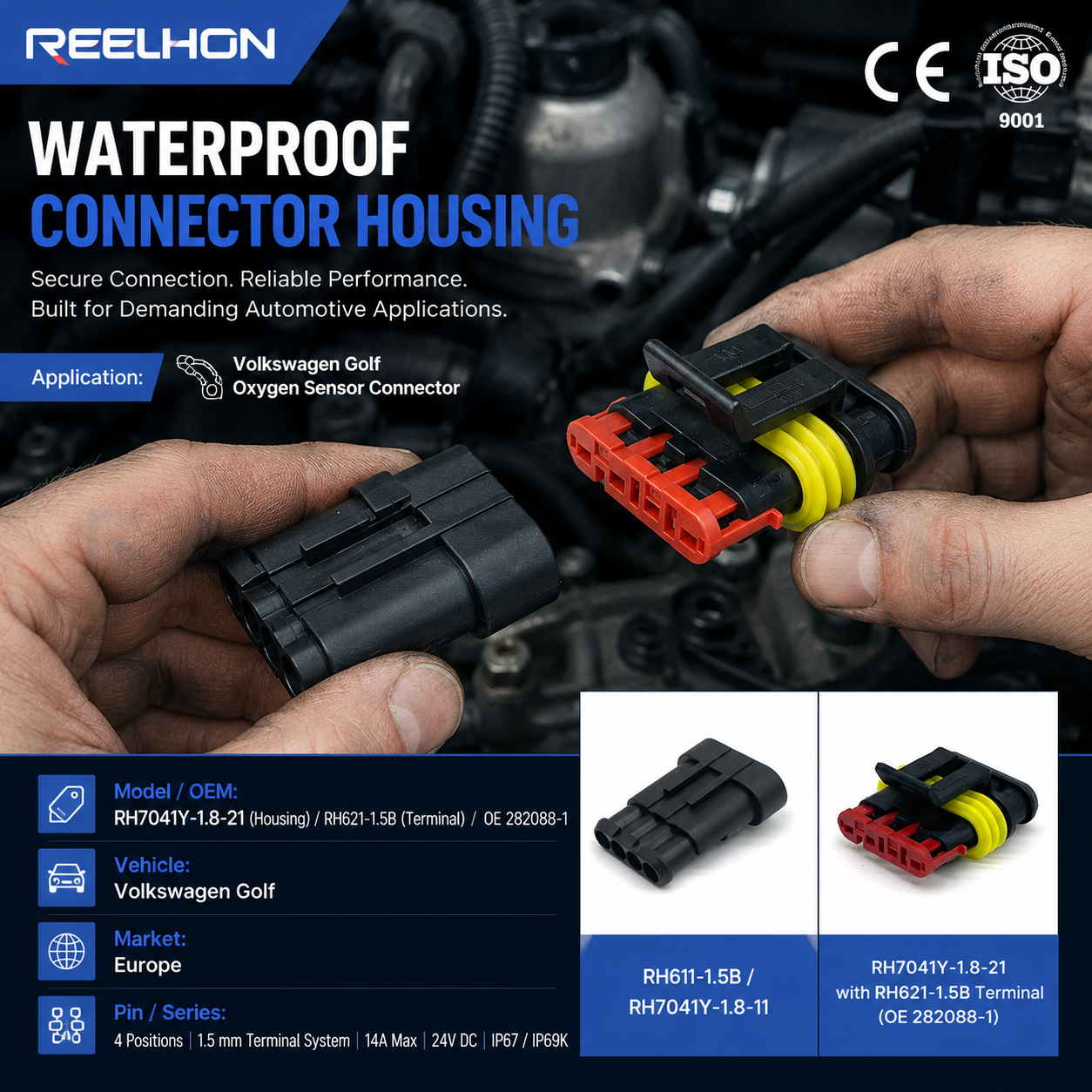
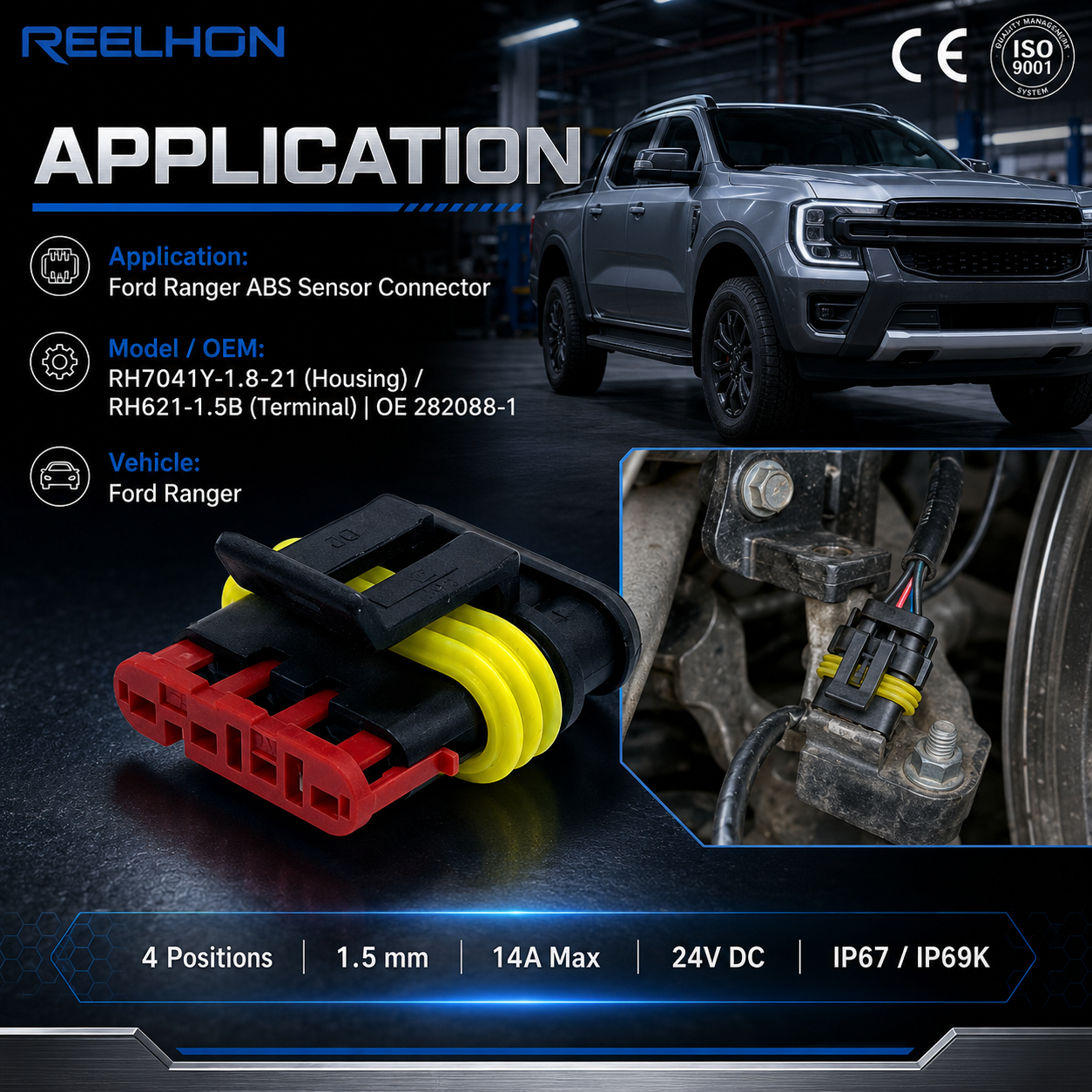
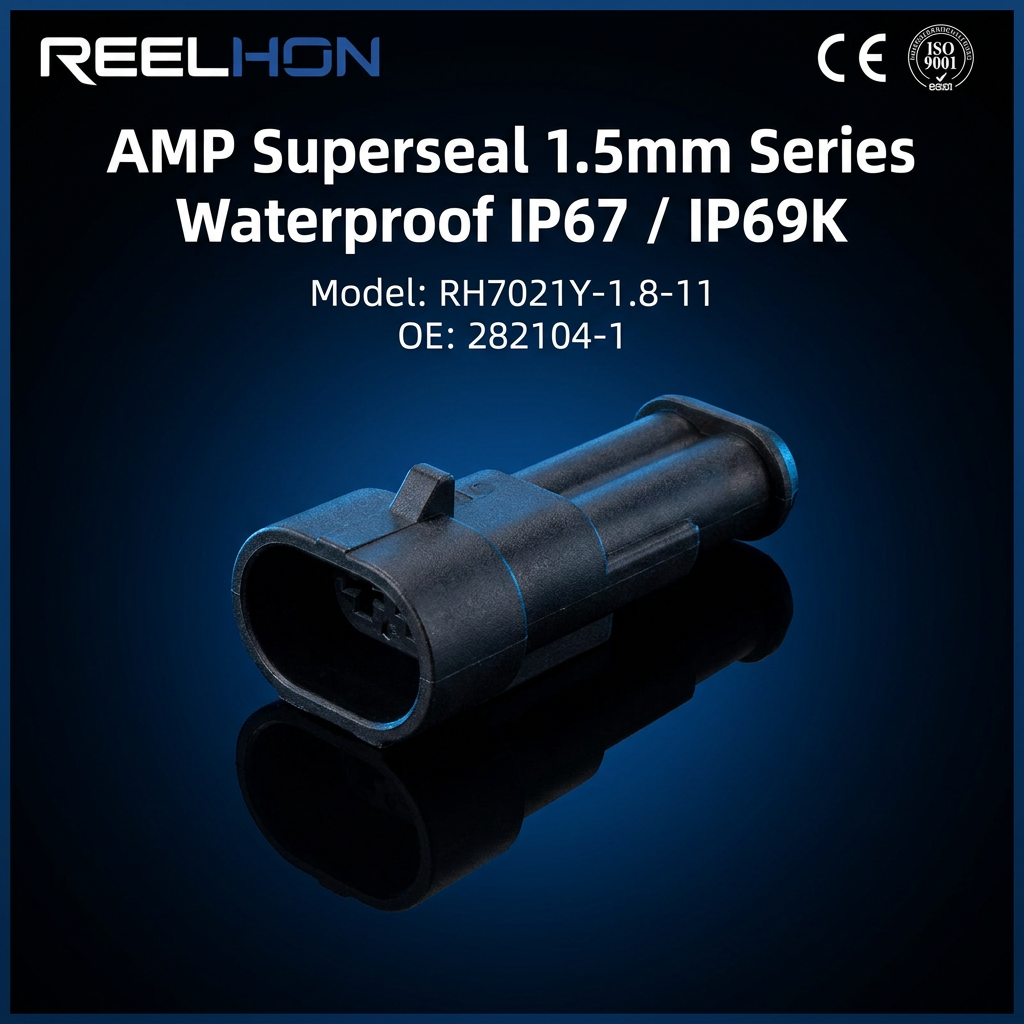
Automotive connectors types play a critical role in modern vehicle electrical systems by enabling reliable power and signal transmission between various electronic components. These specialized connectors are engineered to withstand harsh automotive environments, including extreme temperatures, vibrations, moisture, and chemical exposure. The main automotive connectors types include wire-to-wire connectors, wire-to-board connectors, sealed connectors, high-voltage connectors for electric vehicles, and board-to-board connectors. Each type serves specific functions ranging from powering engine control units and infotainment systems to connecting sensors, lighting assemblies, and battery management systems. Wire-to-wire connectors link cable harnesses throughout the vehicle, while wire-to-board connectors interface cables with printed circuit boards in control modules. Sealed connectors provide waterproof protection for exterior applications like headlamps and underbody sensors. High-voltage automotive connectors types are essential for electric and hybrid vehicles, safely managing power flows exceeding 400 volts between batteries, inverters, and motors. Technological features include robust housing materials, precision-engineered contact systems, secure locking mechanisms, and advanced sealing technologies that meet IP67 or IP69K standards. Modern automotive connectors types incorporate miniaturization trends to save space while maintaining current-carrying capacity, alongside smart features like connector position assurance and terminal position assurance for assembly quality control. Applications span across powertrain systems, safety electronics, advanced driver assistance systems, body control modules, and charging infrastructure, making these connectors indispensable for vehicle functionality, safety, and performance in both conventional and electrified vehicles.
Popular Products

Understanding the benefits of different automotive connectors types helps buyers make informed decisions that directly impact vehicle reliability and production efficiency. The primary advantage is enhanced system reliability through connectors specifically designed to maintain electrical integrity despite constant vibration, thermal cycling, and environmental contamination that vehicles encounter daily. This reliability translates into fewer warranty claims and higher customer satisfaction for automotive manufacturers. Different automotive connectors types offer flexibility in design applications, allowing engineers to select optimal solutions whether connecting delicate sensor signals or high-current power distribution circuits. Sealed connector variants provide exceptional protection against water ingress and dust contamination, essential for components mounted in engine compartments or exterior locations exposed to weather and road spray. This environmental resistance extends component lifespan and reduces maintenance requirements. For electric vehicle applications, specialized automotive connectors types safely manage high voltages and currents while incorporating safety interlocks that prevent accidental disconnection under load, protecting both vehicle occupants and service technicians. The standardization across automotive connectors types facilitates easier assembly processes, reducing installation time and minimizing connection errors during manufacturing. Modular connector systems enable efficient harness assembly and simplified vehicle servicing, lowering total ownership costs. Space-efficient designs help automotive engineers maximize packaging density in increasingly crowded vehicle architectures filled with electronics. Cost-effectiveness emerges from choosing appropriate automotive connectors types matched to specific application requirements rather than over-specifying expensive solutions where simpler connectors suffice. Quality automotive connectors types also support future-proofing strategies by accommodating higher data transmission speeds needed for emerging vehicle technologies like autonomous driving systems and vehicle-to-everything communication platforms, ensuring long-term value and adaptability.

Tips And Tricks

Seal & Plug Solutions

19

May

Seal & Plug Solutions

View More
2026: Automotive Connectors Step into High-Quality Development

19

May

2026: Automotive Connectors Step into High-Quality Development

View More
Experience Interactive Sample Showroom

19

May

Experience Interactive Sample Showroom

View More
Driving Supply Chain Resilience: Excellence in Systematic Warehouse Operations

19

May

Driving Supply Chain Resilience: Excellence in Systematic Warehouse Operations

View More

Get a Free Quote

Our representative will contact you soon.
Subject
Email
Name
Phone/WhatsApp
Company Name
Message
0/1000

automotive connectors types

Environmental Durability Across Automotive Connectors Types

Environmental Durability Across Automotive Connectors Types

One distinguishing characteristic of quality automotive connectors types is their exceptional ability to perform reliably in extreme environmental conditions that would compromise standard connectors. Automotive applications expose connectors to temperature ranges from negative forty to over one hundred fifty degrees Celsius, continuous vibration from engine operation and road surfaces, corrosive salt spray in coastal regions, fuel and oil exposure in powertrain areas, and high-pressure water jets during vehicle washing. Premium automotive connectors types address these challenges through carefully selected materials including high-temperature thermoplastics, corrosion-resistant contact plating with gold or tin finishes, and advanced elastomer seals that maintain flexibility across temperature extremes. The sealed variants among automotive connectors types feature multiple sealing stages with primary seals at cable entry points and secondary seals around individual contact cavities, achieving IP67 or IP69K ingress protection ratings. This comprehensive environmental protection ensures consistent electrical performance throughout vehicle lifespans exceeding fifteen years and two hundred thousand miles, preventing intermittent connections that cause difficult-to-diagnose electrical faults. For manufacturers, this durability reduces warranty costs, while for end users it means dependable vehicle operation regardless of climate or operating conditions, representing genuine long-term value beyond initial purchase price considerations.
Specialized Solutions Among Automotive Connectors Types

Specialized Solutions Among Automotive Connectors Types

The diversity within automotive connectors types enables precise matching of connector characteristics to specific vehicle applications, optimizing both performance and cost-effectiveness. Low-voltage signal connectors with miniaturized profiles and high contact density efficiently handle sensor data and communication protocols like CAN bus, LIN bus, and Ethernet connections essential for modern vehicle networks. Power distribution connectors among automotive connectors types feature larger contact sizes and robust terminals capable of safely conducting currents exceeding one hundred amperes for applications like alternator outputs, starter motor connections, and electric power steering systems. High-voltage automotive connectors types designed specifically for electric and hybrid vehicles incorporate additional safety features including high-voltage interlocks that disconnect circuits when connectors are separated, orange-colored housings for instant visual identification, and touch-proof designs preventing accidental contact with live conductors. Modular connector systems within automotive connectors types allow manufacturers to create customized harness configurations using standardized components, reducing inventory complexity while maintaining design flexibility. Quick-connect variants facilitate rapid assembly during vehicle production and simplified component replacement during service operations. This application-specific optimization means buyers invest only in necessary features rather than paying for unused capabilities, while simultaneously ensuring each connection point delivers appropriate performance for its intended function within complex vehicle electrical architectures that may contain hundreds of individual connection points.
Quality Assurance Features in Automotive Connectors Types

Quality Assurance Features in Automotive Connectors Types

Advanced automotive connectors types incorporate intelligent design features that prevent assembly errors and ensure connection integrity, delivering substantial value through reduced manufacturing defects and enhanced field reliability. Connector position assurance mechanisms provide tactile and audible feedback when connectors fully mate, with secondary locking features that visually confirm proper engagement, preventing partially-connected assemblies that cause intermittent electrical faults. Terminal position assurance systems within automotive connectors types verify that individual contacts are correctly inserted and locked into connector housings before mating, eliminating missing or improperly seated terminals that represent common assembly errors. Polarization features including asymmetric housings, keying elements, and unique latch positions make incorrect connector mating physically impossible, protecting sensitive electronics from reverse polarity damage and preventing misconnections in complex harnesses containing similar-looking connectors. Color-coding systems help assembly workers and service technicians quickly identify connector functions and mating pairs, reducing installation time and error rates. High-retention contact designs ensure terminals remain securely locked during vehicle operation despite vibration and thermal cycling. These quality-focused features within automotive connectors types translate directly into lower manufacturing costs through reduced rework and scrap rates, fewer field failures requiring expensive warranty repairs, and simplified training for assembly personnel, while simultaneously improving vehicle quality and customer satisfaction through reliable electrical system performance.

Get a Free Quote

Our representative will contact you soon.
Subject
Email
Name
Phone/WhatsApp
Company Name
Message
0/1000