
 EN
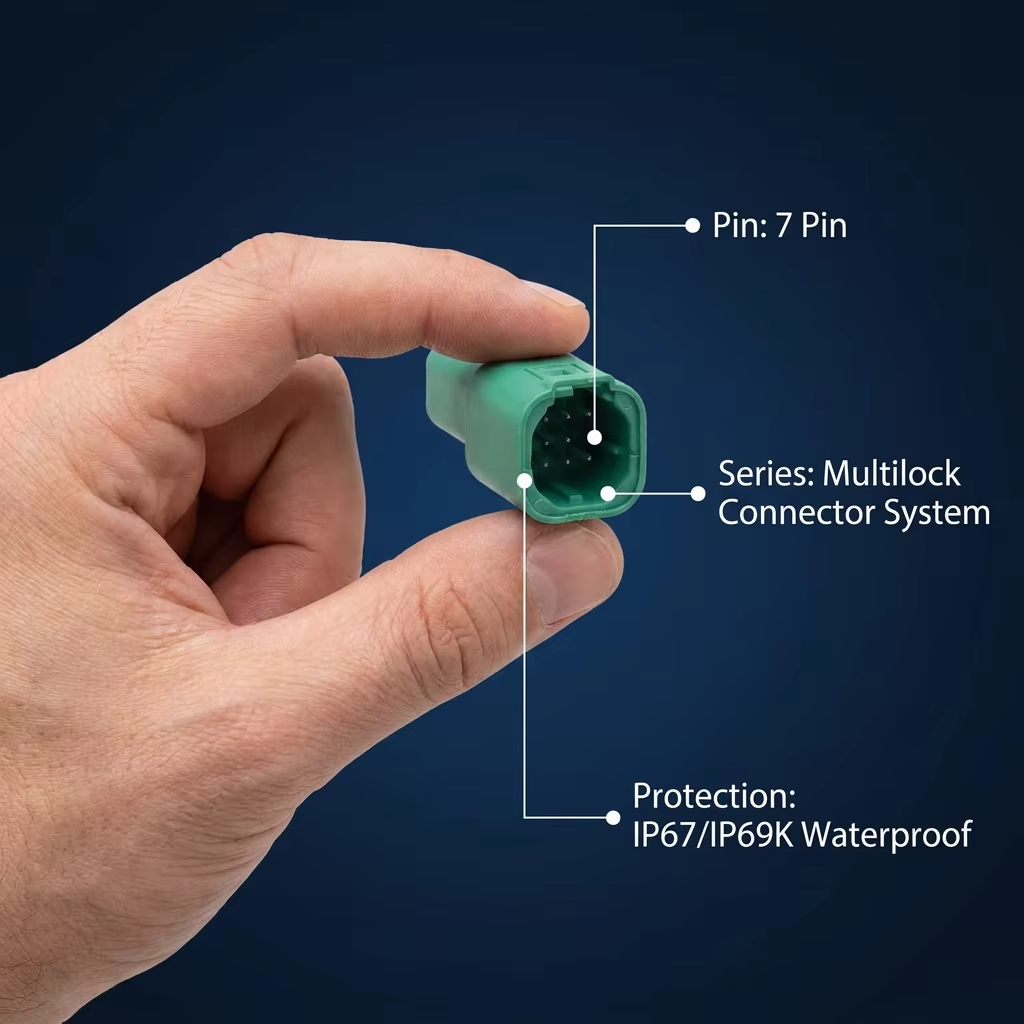
Quality audits for wire harness connector systems have become essential in modern manufacturing environments where regulatory compliance, safety, and operational reliability intersect. A wire harness connector serves as a critical junction point in electrical and electronic assemblies, and any defect or deviation from international standards can result in product recalls, safety hazards, and significant financial losses. Organizations that implement rigorous quality audit processes for their wire harness connector assemblies not only meet mandatory compliance requirements but also protect their brand reputation and operational continuity in an increasingly regulated global marketplace.

The wire harness connector quality audit process encompasses multiple inspection phases, from raw material verification through final assembly validation. Each wire harness connector must be evaluated against established international standards including ISO, IEC, UL, and industry-specific requirements that vary by application sector. This comprehensive approach ensures that every wire harness connector component, whether a pin, terminal, housing, or solder joint, meets dimensional accuracy, electrical performance, and material specifications before reaching end-user applications.
Understanding Wire Harness Connector Audit Requirements
Regulatory Framework and International Standards
Wire harness connector quality audits operate within a complex regulatory environment where multiple international standards govern different aspects of design, manufacturing, and performance. The wire harness connector must comply with ISO 8031 for general connector requirements, IEC 61076 for safety specifications, and UL 1977 for automotive applications, depending on end-use context. Beyond these foundational standards, industry-specific regulations such as automotive (IATF 16949), aerospace (AS9100), and medical device standards (ISO 13485) impose additional requirements on every wire harness connector component and assembly process.
Compliance audits for wire harness connector systems must verify documentation traceability, material certifications, and supplier qualification records. Auditors examine whether each wire harness connector supplier maintains approved material data sheets, environmental test reports, and third-party certifications. The wire harness connector quality audit also confirms that manufacturing facilities have implemented statistical process controls, calibrated testing equipment, and documented corrective action procedures whenever non-conforming wire harness connector units are identified.
Key Audit Checkpoints for Wire Harness Connector Assessment
Wire harness connector quality audits typically focus on five primary inspection zones: material incoming verification, component dimensional measurement, assembly process validation, environmental performance testing, and final product certification. During incoming inspection, auditors verify that raw wire harness connector materials match purchase order specifications and possess valid third-party certifications. The wire harness connector dimensional audit employs coordinate measuring machines and automated vision systems to confirm pin spacing, contact alignment, and housing tolerances within acceptable ranges.
Assembly validation for wire harness connector systems includes visual inspection under magnification, insulation resistance testing, contact force measurement, and mechanical pull tests. Each wire harness connector assembly is evaluated for proper seating, crimp quality, solder joint integrity, and correct wire gauge matching. Environmental performance testing of wire harness connector samples includes thermal cycling, humidity exposure, vibration resistance, and salt spray corrosion testing to simulate real-world operating conditions and identify potential failure modes before deployment.
Implementing Wire Harness Connector Quality Audit Procedures
Establishing Audit Protocols and Sampling Strategies
Effective wire harness connector quality audits require statistically valid sampling plans that balance thoroughness with operational efficiency. Organizations typically implement AQL (Acceptable Quality Level) sampling strategies where wire harness connector batches are evaluated based on lot size and desired confidence levels. An AQL approach for wire harness connector inspection allows manufacturers to accept acceptable quality levels while providing statistical confidence that defect rates remain within agreed tolerances, typically ranging from 0.65% to 2.5% depending on criticality and customer requirements.
Documentation and traceability systems form the foundation of credible wire harness connector quality audits. Each wire harness connector lot must be assigned unique batch identifiers that link to specific production dates, equipment serial numbers, operator credentials, and supplier information. Audit records must capture inspection results, test measurements, environmental conditions during testing, and personnel signatures to create an unbroken chain of accountability. Digital quality management systems enable real-time wire harness connector monitoring, automated non-conformance alerts, and instantaneous trend analysis across production runs.
Testing Equipment and Measurement Infrastructure
Wire harness connector quality audits depend on calibrated, industry-approved testing equipment including insulation resistance meters, contact force gauges, thermal cycling chambers, humidity test chambers, and vibration tables. Each piece of equipment used in wire harness connector testing must maintain current calibration certificates traceable to national standards, typically renewed annually or after a defined number of test cycles. Auditors verify that wire harness connector test procedures are documented, that operators possess current training certifications, and that equipment settings are recorded before and after each test batch to ensure measurement integrity and reproducibility.
Environmental simulation testing for wire harness connector systems replicates field stresses including temperature extremes, condensation cycles, mechanical shock, and electromagnetic interference exposure. Advanced wire harness connector audit protocols may include accelerated life testing, fault injection testing, and worst-case scenario validation. These intensive testing regimens provide confidence that wire harness connector components will maintain performance specifications throughout their intended service life, even under stress conditions that exceed normal operating parameters.
Compliance Documentation and Continuous Improvement
Building and Maintaining Audit Records
Comprehensive documentation is the cornerstone of credible wire harness connector quality audits and regulatory compliance demonstration. Organizations must maintain detailed audit reports for each wire harness connector production lot, including incoming inspection results, in-process validation records, final acceptance criteria, and environmental performance test data. Wire harness connector audit documentation must include raw measurement data, statistical analysis results, photographic evidence of defects when applicable, and corrective action plans for any non-conformances. Regulatory agencies, customers, and third-party auditors depend on this documentation to verify that wire harness connector suppliers consistently meet international compliance standards.
Wire harness connector audit trails must be preserved for extended periods, typically ranging from three to ten years depending on end-use application and regulatory jurisdiction. Electronic document management systems provide secure storage, version control, and rapid retrieval capabilities essential for responding to customer inquiries, regulatory inspections, or product liability investigations. The wire harness connector audit record should be accessible to authorized personnel and should include searchable metadata enabling quick location of specific lots, test results, or supplier performance metrics.
Supplier Partnerships and Performance Metrics
Establishing strong supplier relationships through collaborative wire harness connector quality audits improves overall supply chain reliability and accelerates resolution of quality issues. Organizations should conduct periodic on-site audits of wire harness connector suppliers, evaluate their quality management systems, observe manufacturing processes, and assess their calibration and maintenance practices. Performance metrics for wire harness connector suppliers should track defect rates, on-time delivery, responsiveness to quality inquiries, and continuous improvement initiatives implemented over time.
Continuous improvement initiatives connected to wire harness connector quality audits drive innovation and operational efficiency throughout supply chains. Regular review of audit findings, defect trends, and corrective action effectiveness enables organizations to identify systemic issues, implement preventive measures, and enhance wire harness connector reliability before problems reach customers. Sharing wire harness connector quality audit insights with suppliers, establishing collaborative problem-solving sessions, and recognizing supplier excellence create incentives for sustained quality performance and strategic partnerships.
FAQ
What specific tests must be performed during a wire harness connector quality audit?
Wire harness connector quality audits must include insulation resistance testing, contact force measurement, dimensional verification, thermal cycling tests, humidity exposure tests, vibration resistance testing, and visual inspection under magnification. Environmental stress testing for wire harness connector samples should replicate field conditions including temperature extremes, mechanical shock, and salt spray exposure. These comprehensive tests ensure that each wire harness connector meets international standards and performs reliably under real-world operating conditions.
How frequently should wire harness connector quality audits be conducted?
Wire harness connector quality audits should be performed continuously throughout production using incoming, in-process, and final acceptance inspection phases. Supplier audits for wire harness connector manufacturing facilities should occur annually at minimum, with additional audits triggered by quality incidents, significant process changes, or regulatory requirements. Critical wire harness connector applications in aerospace or medical devices may require more frequent audits and enhanced documentation to maintain compliance with industry-specific standards.
How can organizations reduce wire harness connector defects identified during quality audits?
Organizations can reduce wire harness connector defects by implementing statistical process control systems, conducting root cause analysis of non-conformances, providing operator training on wire harness connector assembly procedures, and upgrading manufacturing equipment. Engaging suppliers in collaborative wire harness connector improvement initiatives, establishing clear performance targets, and sharing audit findings enables the entire supply chain to strengthen quality practices. Preventive measures such as enhanced incoming material inspections and improved wire harness connector design documentation help identify and eliminate potential failure mechanisms before production begins.