
 EN
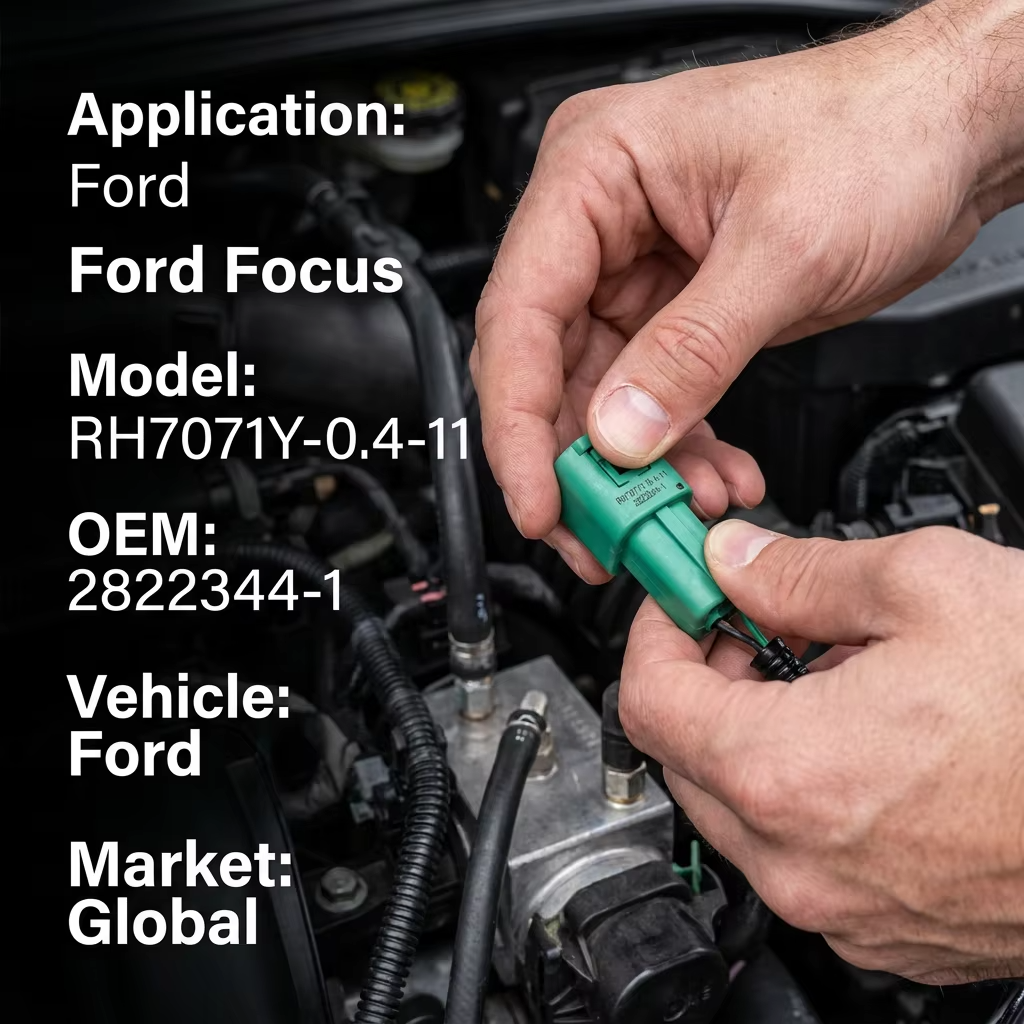
Transit bus fleets depend on robust electrical systems to maintain consistent performance and passenger safety across thousands of operational hours. The wire harness connector serves as a critical interface in this complex network, enabling reliable power distribution, signal transmission, and control communication between engine systems, lighting modules, door mechanisms, and climate control units. Selecting the right wire harness connector for transit applications requires understanding both technical specifications and real-world operational demands that go far beyond standard automotive requirements.

Transit bus operators face distinct challenges when sourcing wire harness connectors because these vehicles endure continuous vibration, temperature fluctuations, humidity exposure, and frequent on-off cycling that consumer vehicles rarely experience. The wire harness connector must withstand not only electrical loads but also mechanical stress from engine vibration and route conditions. Modern transit fleets increasingly require connectors that support advanced telematics, diagnostic systems, and safety features, making connector selection a strategic procurement decision rather than a commodity purchase.
Understanding Transit Bus Wire Harness Connector Requirements
Electrical Load and Safety Specifications
A transit bus wire harness connector must handle significantly higher amperage than typical passenger vehicle connectors because buses operate multiple subsystems simultaneously. The connector carries power to engine control modules, traction systems, air brake compressors, interior lighting networks, and exterior signaling systems all at once. Unlike passenger vehicles, buses operate on 12-volt or 24-volt systems depending on manufacturer and model, requiring the wire harness connector to be engineered specifically for the voltage and current demands of commercial transportation applications.
Safety certifications for the wire harness connector in transit applications extend beyond standard automotive compliance. Transit authorities typically require connectors to meet ISO 16750 standards for automotive electrical environments, along with additional transport-specific regulations that vary by region. The wire harness connector must demonstrate resistance to thermal cycling, vibration endurance, and corrosion resistance under severe conditions. Each wire harness connector undergoes rigorous testing to ensure it maintains electrical integrity across the entire service life of the vehicle, often spanning 12 to 15 years of continuous operation.
Environmental and Durability Factors
Transit environments expose the wire harness connector to salt spray, moisture, diesel exhaust, and extreme temperature ranges that accelerate degradation in lesser-quality components. Buses operating in coastal regions or harsh climates experience accelerated corrosion rates that demand premium connector materials and protective coatings. The wire harness connector housing must feature robust sealing, and contact plating must resist oxidation and fretting corrosion even after thousands of mating cycles during maintenance and repairs.
Vibration represents another critical consideration for wire harness connector selection. Transit buses experience constant low-frequency vibration from engine and road conditions, which can cause micromotion at contact interfaces and lead to connection degradation. A quality wire harness connector includes gold or palladium plating on contact surfaces, over-mold designs that secure wire strain relief, and crimp contact designs that prevent fretting wear. These design features directly influence the total cost of ownership by reducing maintenance intervals and unexpected electrical failures during revenue service.
Sourcing Strategies for Commercial Transit Operations
Evaluating Supplier Capabilities and Technical Support
Finding a reliable supplier for the wire harness connector requires more than comparing unit prices. Transit fleet maintenance operations need suppliers who understand bus electrical architecture and can provide technical documentation, connector variants for different vehicle models, and responsive support when field issues arise. The wire harness connector supplier should offer configuration options including different pin counts, contact ratings, sealing types, and color-coded variants to simplify assembly and troubleshooting for technicians.
Effective suppliers maintain inventory levels that match your replacement schedules while minimizing excess stock that ties up capital. They should provide detailed dimensional drawings, material certifications, and test reports that document the wire harness connector performance under your specific operating conditions. Request samples before committing to large orders, and verify that the wire harness connector samples match the specifications of installed fleet components. Established suppliers often provide engineering support to troubleshoot electrical issues and recommend connector upgrades when vehicle systems are retrofitted or modernized.
Specification Matching and Compatibility
Transit buses from different manufacturers use proprietary wire harness connector designs, and cross-compatibility is rarely possible. Before sourcing a replacement wire harness connector, identify the original equipment manufacturer part number and verify all electrical and mechanical specifications through technical manuals or dealer resources. Installing an incompatible wire harness connector can compromise vehicle warranty, create safety hazards, and result in system malfunction that strands the bus during service.
Sourcing the correct wire harness connector variant depends on understanding pin configuration, voltage rating, amperage capacity, and connector body style. Multi-circuit configurations are common in transit applications because buses consolidate multiple subsystem connections into single connector points to reduce wiring complexity and improve reliability. When evaluating alternatives to original equipment wire harness connectors, ensure the replacement meets or exceeds all OEM specifications for current-carrying capacity, contact resistance, and environmental sealing. Documentation should clearly specify the wire harness connector's Underwriters Laboratory approval, operating temperature range, and any special handling requirements.
Optimizing Procurement and Implementation
Volume Purchasing and Cost Management
Fleet operations managing multiple buses benefit from consolidating wire harness connector purchases across vehicles to achieve volume discounts while standardizing inventory. Standardizing the wire harness connector variants used throughout your fleet reduces training requirements for maintenance staff and simplifies parts management. Negotiate with suppliers for preferred pricing on high-volume SKUs while maintaining flexibility to order specialty connectors for specific vehicle models or repair scenarios.
The wire harness connector represents a relatively small component cost in overall transit fleet maintenance budgets, but selecting premium quality prevents expensive downtime and liability issues. Implement a receiving inspection process to verify that each wire harness connector shipment matches purchase specifications before parts reach technicians. This preventive step catches supplier defects early and provides documented evidence of quality assurance should any electrical failures occur after installation.
Installation and Maintenance Best Practices
Proper installation of the wire harness connector significantly extends service life and prevents premature failures. Technicians should use appropriate crimping tools for your specific wire harness connector style, apply dielectric grease to reduce corrosion inside connector cavities, and ensure wire strain relief is properly seated before mating connectors. Training technicians on correct installation procedures for your wire harness connector variants prevents damage that would compromise the contact seal and reduce reliability.
Preventive maintenance for the wire harness connector includes periodic inspection for corrosion, loose terminals, and physical damage during routine vehicle servicing. Documentation systems should track which vehicles have received new wire harness connector installations, allowing maintenance planners to anticipate failures before they impact service. Record connector performance data across your fleet to identify problem areas or connector variants that experience higher-than-expected failure rates, enabling targeted procurement strategy adjustments.
FAQ
What pin configuration is most common for transit bus wire harness connectors?
Multi-circuit transit bus applications typically use wire harness connectors with 10 to 40 pins depending on the subsystem being connected. Engine control modules often use 32-pin or 34-pin configurations, while lighting and auxiliary circuits use smaller connectors ranging from 6 to 16 pins. The exact wire harness connector pin count depends on vehicle manufacturer specifications and the electrical functions consolidated at that connection point.
How do I identify if a wire harness connector is suitable for my fleet?
Review the original equipment manufacturer documentation for your specific bus model to determine the correct part number and electrical specifications. Compare potential replacement wire harness connectors against the OEM specifications for amperage rating, voltage compatibility, environmental sealing type, and connector body style. Request certificates of conformance from suppliers confirming the wire harness connector meets all required safety standards and test requirements for your application.
Can a wire harness connector be repaired instead of replaced?
Some wire harness connector failures can be addressed through terminal replacement or connector body repair, but most commercial transit operations find complete replacement more reliable and cost-effective. If a wire harness connector shows intermittent connection issues or corrosion inside the connector cavity, full replacement prevents future failures and eliminates troubleshooting uncertainty. Repair services for wire harness connectors may be available through specialized shops, but original replacement connectors provide better warranty protection and guaranteed compatibility.