
 EN
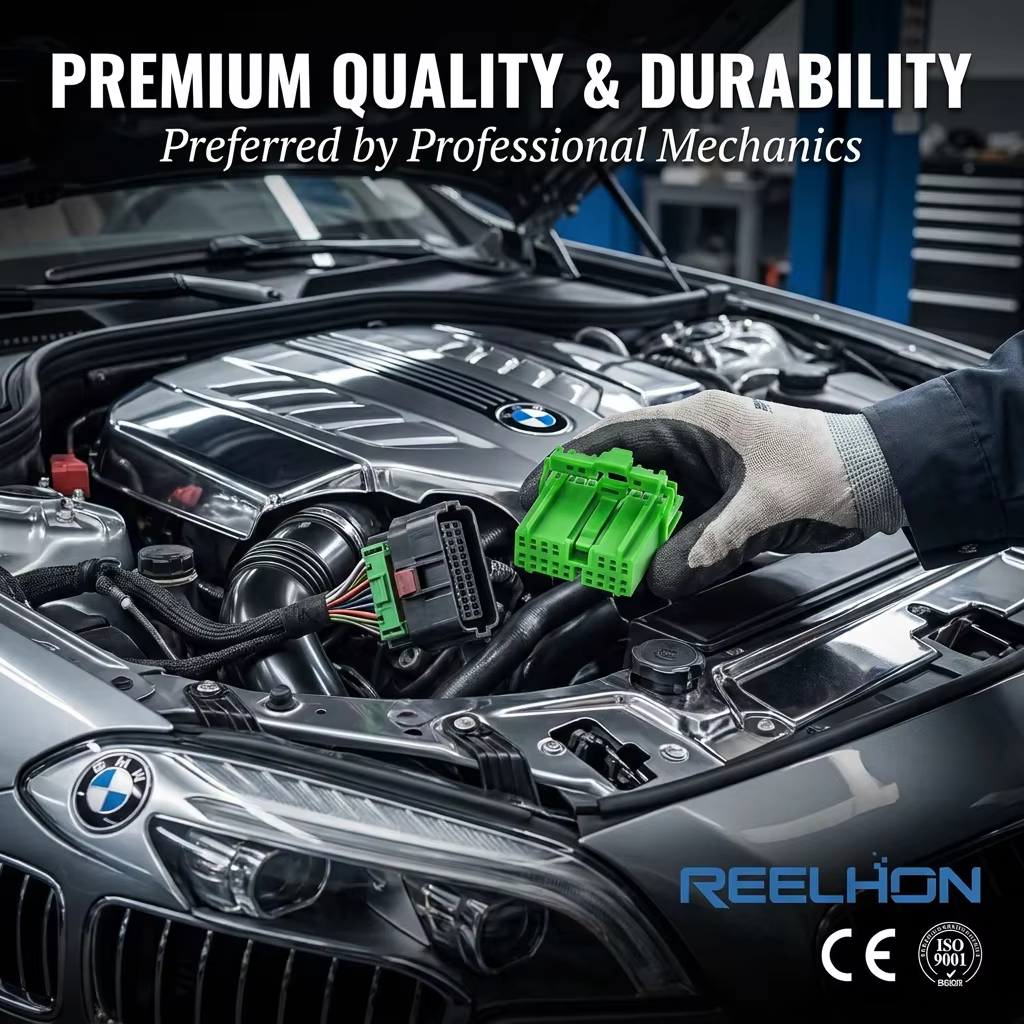
Power system plants demand exceptional reliability and performance from every component in their electrical infrastructure. The wire harness connector represents one of the most critical elements in ensuring safe, efficient power transmission and distribution across industrial facilities. When selecting wholesale wire harness connector solutions for large-scale power operations, procurement teams must evaluate multiple factors including material quality, amperage ratings, environmental resilience, and supplier consistency. This comprehensive guide explores how wholesale wire harness connector blocks serve modern energy infrastructure and what specifications matter most for power system plant applications.

Wholesale sourcing of wire harness connector blocks has become increasingly strategic for power plants seeking to reduce costs while maintaining stringent safety and performance standards. The typical power system plant handles thousands of individual connection points, making bulk procurement of standardized wire harness connector components essential for operational consistency and maintenance efficiency. Industrial buyers recognize that investing in quality wholesale wire harness connector solutions minimizes downtime, reduces troubleshooting complexity, and supports predictable maintenance cycles across their facility infrastructure.
Understanding Wire Harness Connector Specifications for Power Applications
Core Technical Requirements for Industrial Environments
The wire harness connector used in power system plants must meet rigorous electrical and mechanical specifications. Pin configurations typically range from 2-pin to 16-pin designs, with each option serving specific voltage and amperage requirements across different plant subsystems. A premium wire harness connector delivers consistent contact resistance, withstands temperature fluctuations from minus 40 to plus 85 degrees Celsius, and maintains structural integrity under vibration and thermal stress. Power plants require wholesale wire harness connector solutions manufactured with materials like polycarbonate housings and gold-plated copper terminals to resist corrosion, oxidation, and environmental degradation over decades of continuous operation.
Amperage Ratings and Load Capacity
Each wire harness connector configuration carries specific maximum amperage ratings that directly impact power system reliability. A 2-pin wire harness connector typically handles lower amperage circuits used in control systems, while 10-pin and 16-pin configurations manage higher loads across primary distribution networks. Industrial procurement teams must verify that wholesale wire harness connector blocks match exact voltage and amperage requirements specified in plant schematics to prevent overheating, arcing, and catastrophic failures. Undersized or mismatched wire harness connector components create fire hazards and cascade failures that damage expensive equipment and compromise worker safety throughout the facility.
Advantages of Bulk Sourcing Wire Harness Connectors
Cost Efficiency and Supply Chain Stability
Wholesale procurement of wire harness connector blocks enables power system plants to achieve significant per-unit cost reductions compared to retail or small-quantity purchases. Bulk orders of wire harness connector components typically qualify for volume discounts ranging from 15 to 40 percent depending on order size and supplier relationships. Beyond pricing advantages, wholesale wire harness connector sourcing provides supply chain predictability, allowing maintenance teams to maintain adequate inventory levels for planned and emergency repairs. Power plants that centralize their wire harness connector procurement through approved wholesale suppliers report faster response times and more consistent product quality across all purchased batches.
Standardization and Maintenance Simplification
Using standardized wholesale wire harness connector blocks across a power system plant dramatically simplifies maintenance operations and staff training. When maintenance personnel encounter consistent wire harness connector models throughout their facility, they develop deeper expertise in diagnosis, replacement, and troubleshooting procedures. This standardization reduces errors during installation, lowers overall maintenance costs, and accelerates repair completion times when system failures occur. A wholesale wire harness connector strategy ensures that replacement inventory remains compatible with existing infrastructure, preventing situations where technicians must source emergency parts from incompatible suppliers or adapt connections using improvised solutions that compromise reliability.
Selection Criteria for Power System Plant Applications
Environmental and Operational Durability
Power plants operate in demanding environments that subject wire harness connector components to extreme temperatures, humidity, dust, vibration, and chemical exposure. The most reliable wholesale wire harness connector solutions incorporate sealed contacts, strain relief features, and locking mechanisms that prevent accidental disconnection during normal plant operations. Materials used in premium wire harness connector blocks must resist UV degradation, saltwater corrosion, industrial solvents, and thermal cycling without losing electrical performance or mechanical integrity. Power system plants in coastal regions, areas with heavy industrial pollution, or facilities handling corrosive processes require wire harness connector specifications that exceed standard requirements to ensure multi-decade service life.
Certification and Safety Compliance
Wholesale wire harness connector blocks destined for power system plants must carry relevant industry certifications including UL, IEC, and NEMA approvals confirming electrical safety and performance standards. These certifications validate that each wire harness connector batch has undergone rigorous testing for insulation resistance, dielectric strength, temperature cycling endurance, and insertion-extraction durability. Power plant engineers must verify that wholesale wire harness connector suppliers maintain current certifications, conduct regular quality audits, and provide detailed test reports for purchased components. Regulatory compliance documentation attached to each wire harness connector shipment protects power plants from liability exposure and supports facility inspections by safety authorities and insurance underwriters.
FAQ
What amperage can a 16-pin wire harness connector safely carry in power plant applications?
A 16-pin wire harness connector designed for industrial power systems typically carries between 10 to 20 amps per pin depending on contact material, insulation type, and manufacturer specifications. However, practical installations rarely maximize per-pin capacity across all pins simultaneously due to heat dissipation constraints. Power plant engineers must consult detailed specification sheets for their specific wire harness connector model and apply safety derating factors when calculating maximum system loads to ensure long-term reliability and prevent thermal damage.
How often should wholesale wire harness connector blocks be replaced in active power system plants?
Quality wholesale wire harness connector components typically remain serviceable for 15 to 25 years in standard power plant environments when properly installed and maintained. However, wire harness connector replacement intervals depend on environmental factors, insertion-extraction frequency, and the severity of thermal cycling experienced by each connection point. Power plants should implement predictive maintenance programs that monitor contact resistance trends and replace aging wire harness connector blocks before failure occurs rather than waiting for catastrophic faults.
Can different pin configurations of wire harness connectors be mixed within a single power system plant?
While different wire harness connector pin configurations can technically coexist within a power plant, standardizing on consistent wire harness connector models throughout a facility significantly improves maintenance efficiency and reduces costly errors. Using diverse wire harness connector types increases inventory complexity, requires extensive staff training on multiple specifications, and creates opportunities for dangerous mismatches during repairs. Best practices recommend adopting a limited palette of wire harness connector configurations across distinct functional areas rather than allowing ad-hoc proliferation of incompatible connector types.