
 EN
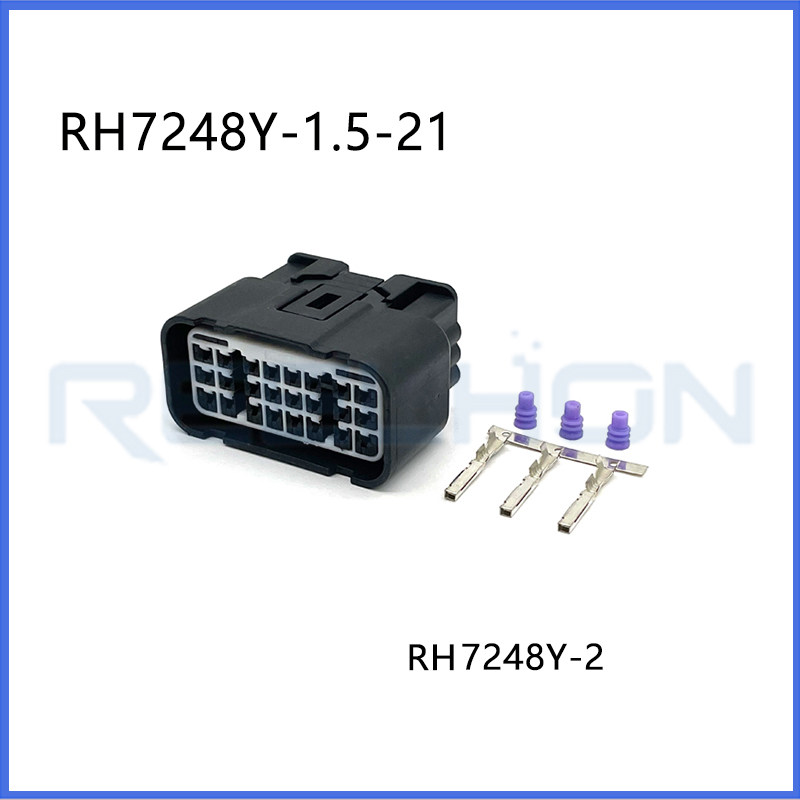
Field repairs in automotive maintenance demand reliable, fast-acting components that technicians can trust without hesitation. An automotive wire connector designed with simplicity and durability in mind becomes the foundation for efficient troubleshooting and repair workflows on the job site. When technicians face electrical issues, time pressure, and challenging environmental conditions, the right connector design transforms a potentially hours-long diagnostic into a straightforward fix.

The automotive wire connector serves as a critical interface between electrical systems and repair operations. A well-engineered automotive wire connector reduces connection errors, minimizes rework, and enhances safety across all repair scenarios. Understanding how connector design directly impacts field repair efficiency helps fleet managers, independent technicians, and OEM maintenance teams select the right solutions for their specific operational challenges.
Simplified Disconnection Mechanisms in Automotive Wire Connector Design
Quick-Release Terminal Architecture
Modern automotive wire connector designs prioritize rapid disconnect and reconnect cycles without requiring special tools or extended training. The quick-release terminal architecture in an automotive wire connector uses precisely engineered latch systems that engage and release under controlled force. Technicians can separate circuits within seconds, reducing downtime and allowing parallel diagnostic work on multiple vehicle systems simultaneously.
The tactile feedback built into contemporary automotive wire connector designs ensures that technicians receive clear confirmation of secure connections. This sensory element eliminates guesswork and reduces the risk of incomplete seating, a common failure mode in field environments. When a technician feels the positive click of an automotive wire connector engaging, they gain confidence that electrical continuity will be maintained throughout the repair cycle.
Keying and Polarization Standards
An automotive wire connector with integrated keying prevents reversed polarity connections that could damage sensitive electronics or create dangerous electrical conditions. Polarization features in an automotive wire connector design ensure that conductors mate only in their intended orientation, protecting downstream components from voltage spikes and short circuits. This protective design approach eliminates one entire category of field repair errors that technicians might otherwise encounter under time pressure or poor lighting conditions.
Standardized keying across an automotive wire connector family reduces technician confusion when working with multiple vehicle platforms or repair scenarios. A technician trained on keying principles for one automotive wire connector type can confidently apply those principles across the entire connector line, accelerating their workflow and reducing installation errors significantly.
Environmental Durability and Automotive Wire Connector Reliability
Sealed Connections for Harsh Field Conditions
Field repairs often occur in wet, dusty, or chemically aggressive environments where moisture and contaminants threaten electrical integrity. An automotive wire connector engineered with sealed mating surfaces prevents water intrusion and corrosion at the contact interface. This sealing capability in an automotive wire connector design extends the operational lifespan of field repairs and reduces callback rates for failed connections in subsequent service visits.
The rubber and elastomer materials integrated into modern automotive wire connector designs withstand temperature extremes, UV exposure, and chemical splashes common in automotive service bays. When an automotive wire connector resists environmental degradation, technicians can deploy field repairs with confidence that connection quality will persist through months or years of operational stress. This durability directly reduces warranty claims and customer dissatisfaction stemming from premature connector failure.
Contact Material Selection and Conductivity
Premium contact materials in an automotive wire connector minimize resistance at the mating interface, reducing heat generation and voltage drop across the joint. High-conductivity alloys used in an automotive wire connector ensure that electrical performance remains stable regardless of environmental contamination or repeated mating cycles. This material science approach embedded in automotive wire connector design prevents many intermittent electrical faults that plague lower-grade connector solutions.
Corrosion-resistant plating on contacts within an automotive wire connector extends service life and maintains electrical reliability in salt-spray, humidity, and industrial environments. Technicians benefit because an automotive wire connector featuring superior contact materials rarely generates the mysterious electrical gremlins that require repeated diagnostic cycles and return visits. The upfront investment in quality materials for an automotive wire connector pays dividends through reduced troubleshooting time and higher first-time repair success rates.
Practical Advantages for Fleet and Service Operations
Training Efficiency and Technician Adoption
An automotive wire connector designed with intuitive geometry and minimal disconnect procedures accelerates technician proficiency and reduces training burden for service teams. New technicians quickly master the mechanics of an automotive wire connector when the design itself communicates proper usage through physical constraints and tactile feedback. This user-centric approach to automotive wire connector engineering means that training time translates directly into productive repair capacity.
Fleet managers benefit when their technicians demonstrate confidence and consistency with an automotive wire connector solution. The reduction in callbacks and rework directly impacts labor budgeting and equipment availability metrics. A well-designed automotive wire connector becomes an asset that pays for itself through improved operational efficiency and higher first-time fix rates across the service organization.
Cost of Ownership in Field Repair Scenarios
The total cost of ownership for an automotive wire connector extends beyond the component purchase price to encompass technician labor, rework expenses, and vehicle downtime. An automotive wire connector engineered for simplicity reduces labor time per repair, directly lowering operational costs per vehicle serviced. Fleet managers making connector procurement decisions should evaluate an automotive wire connector solution based on comprehensive cost impact, not only acquisition price.
Warranty and reliability performance of an automotive wire connector selection directly influence service department profitability and customer retention. When an automotive wire connector demonstrates consistent performance across environmental extremes and repeated use cycles, service facilities experience reduced callback volume and higher customer satisfaction scores. This performance-based value proposition makes an automotive wire connector investment a strategic decision rather than a commodity purchase.
FAQ
How does an automotive wire connector design improve diagnostic speed?
An automotive wire connector with quick-release mechanisms allows technicians to isolate circuit sections rapidly without special tools or extensive disassembly. By enabling fast disconnect-reconnect cycles, an automotive wire connector reduces the time required to test individual system components and identify electrical faults. The simplified workflow inherent to modern automotive wire connector design translates to faster diagnosis and quicker repair completion timelines.
What makes an automotive wire connector suitable for extreme temperature environments?
An automotive wire connector engineered for temperature resilience uses elastomers and contact materials that maintain electrical properties across wide thermal ranges. Sealing designs in an automotive wire connector prevent moisture ingress that would otherwise cause thermal stress and connection failure. The comprehensive environmental protection embedded in an automotive wire connector allows reliable operation in desert heat, arctic cold, and rapid temperature cycling conditions.
Can an automotive wire connector reduce rework rates in service facilities?
Yes, an automotive wire connector featuring polarization, keying, and tactile feedback mechanisms substantially reduces installation errors and intermittent connection failures. Technicians make fewer mistakes with an automotive wire connector designed for foolproofing, resulting in higher first-time fix rates and fewer customer returns. The reduction in rework directly improves service facility efficiency and profitability while enhancing customer confidence in repair quality.