
 EN
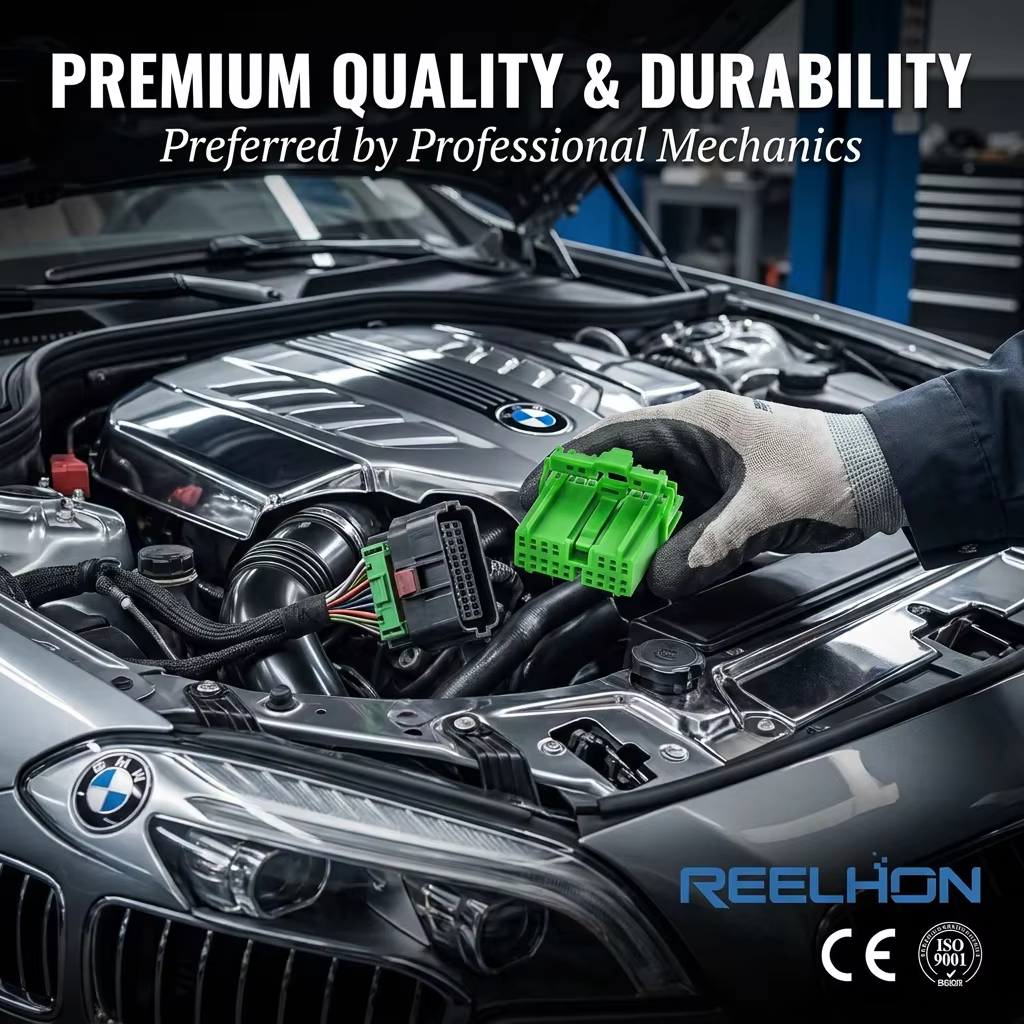
Selecting the right wire harness connector is critical for manufacturers and engineers working with specialized electronics. A wire harness connector serves as the backbone of electrical interconnection, enabling seamless power distribution, signal transmission, and data flow across complex systems. When sourcing premium wire harness connector solutions, procurement teams must balance technical specifications, reliability standards, cost efficiency, and supply chain stability. This guide explores how to identify, evaluate, and secure the best wire harness connector options for your unique application requirements.

The market for wire harness connector products has evolved significantly, with manufacturers now offering specialized variants designed for automotive, aerospace, medical device, industrial automation, and consumer electronics sectors. Premium wire harness connector sourcing requires understanding pin configurations, voltage ratings, environmental resistance, and certification compliance. Organizations that invest time in proper wire harness connector selection reduce field failures, minimize production delays, and protect their brand reputation in competitive markets.
Understanding Wire Harness Connector Specifications and Standards
Technical Parameters and Performance Requirements
A wire harness connector must meet precise technical parameters to function reliably in specialized electronics applications. Pin count, contact resistance, current rating, voltage tolerance, and temperature range all influence whether a wire harness connector can handle your system's demands. Specialized applications often require custom configurations, such as mixed pin arrangements where a wire harness connector combines power pins with signal lines or shielded contacts. Engineers must validate that their chosen wire harness connector design supports the total amperage draw, withstands operating temperature extremes, and maintains signal integrity across the entire product lifecycle.
Industry Standards and Certification
Quality wire harness connector sourcing involves verifying compliance with relevant industry standards such as IEC, ISO, UL, and automotive-specific certifications like AEC-Q200. A compliant wire harness connector demonstrates that manufacturers have conducted rigorous testing for durability, electrical safety, and environmental resilience. When evaluating suppliers, request documentation proving that their wire harness connector products meet your industry's mandatory standards. This verification step protects your organization from liability, ensures regulatory compliance, and guarantees that your wire harness connector investment performs as expected in real-world conditions.
Evaluating Wire Harness Connector Suppliers and Quality Assurance
Supplier Reliability and Manufacturing Capability
Finding a trusted supplier for wire harness connector products is as important as selecting the connector type itself. Reputable wire harness connector manufacturers maintain ISO 9001 certification, invest in advanced tooling and testing equipment, and document their quality control procedures transparently. Evaluate potential suppliers by requesting samples, reviewing their production capacity, confirming lead times, and assessing their ability to scale production as your needs grow. A reliable wire harness connector supplier should provide detailed technical documentation, respond promptly to technical questions, and offer responsive customer support throughout the entire sourcing and implementation process.
Quality Testing and Failure Analysis
Premium wire harness connector sourcing includes verifying that suppliers conduct comprehensive testing protocols such as pull-force testing, contact resistance measurement, thermal cycling, and salt-spray corrosion testing. Ask suppliers to demonstrate how they validate each batch of wire harness connector products before shipment and what corrective actions they implement when issues arise. Understanding a supplier's failure analysis procedures reveals their commitment to continuous improvement and their ability to identify root causes when a wire harness connector batch does not meet specifications. This transparency builds confidence that you are purchasing reliable, thoroughly tested connectors.
Optimizing Wire Harness Connector Selection for Specialized Applications
Application-Specific Customization and Design Flexibility
Specialized electronics often require customized wire harness connector configurations that off-the-shelf solutions cannot provide. Leading suppliers offer design flexibility, allowing you to request modified pin layouts, alternative contact materials, additional shielding, or unique strain-relief features in your wire harness connector. When sourcing premium solutions, discuss your application's environmental challenges, mechanical stress points, and integration constraints with your supplier. A supplier capable of custom wire harness connector engineering can recommend material upgrades, suggest seal improvements, or propose assembly variations that enhance reliability and reduce long-term maintenance costs.
Cost Optimization and Supply Chain Efficiency
Strategic wire harness connector sourcing balances quality with cost efficiency by consolidating purchases, establishing volume agreements, and exploring value-engineered alternatives. Work with suppliers to understand how production volumes affect wire harness connector pricing, what lead time commitments qualify for discounts, and whether standardizing on specific connector families reduces your total cost of ownership. Negotiating favorable terms on wire harness connector orders—such as extended payment windows, tiered pricing, or priority access to new product variants—improves cash flow and strengthens your competitive position. Additionally, maintaining safety stock of critical wire harness connector configurations protects your production schedule against unexpected supply disruptions.
FAQ
What factors should I prioritize when choosing a wire harness connector supplier?
Prioritize suppliers who demonstrate ISO 9001 certification, transparent quality testing procedures, responsive technical support, and proven ability to deliver consistent quality. Evaluate their production capacity relative to your volume requirements, confirm they can meet your industry's specific certifications, and request references from other customers using their wire harness connector products. A supplier's willingness to customize solutions and their track record of on-time delivery are equally important indicators of reliability.
How do I ensure a wire harness connector meets my specialized application requirements?
Request detailed technical specifications, review third-party test reports validating performance claims, and conduct your own validation testing on samples before committing to large orders. Communicate your application's environmental conditions, mechanical stresses, electrical demands, and temperature range to your supplier so they can recommend the most suitable wire harness connector design. Testing a small pilot batch in your actual system helps identify any compatibility issues before full-scale production begins.
What is the typical lead time for sourcing premium wire harness connector products?
Lead times for wire harness connector products typically range from four to twelve weeks, depending on pin count, customization complexity, and supplier workload. Standard off-the-shelf connectors may ship in two to four weeks, while custom or low-volume wire harness connector configurations often require longer lead times. Plan your sourcing strategy accordingly and maintain communication with suppliers to secure priority status for time-sensitive projects.