automotive harness connectors
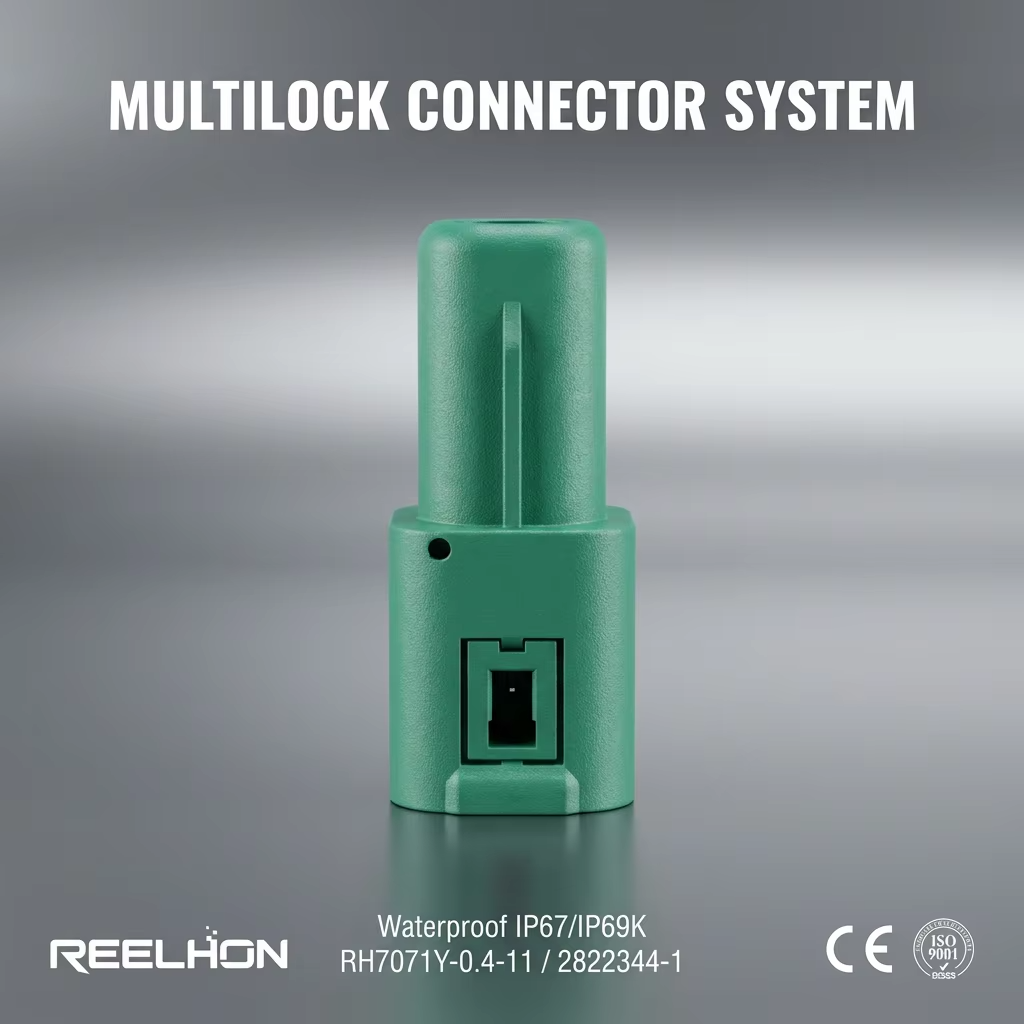
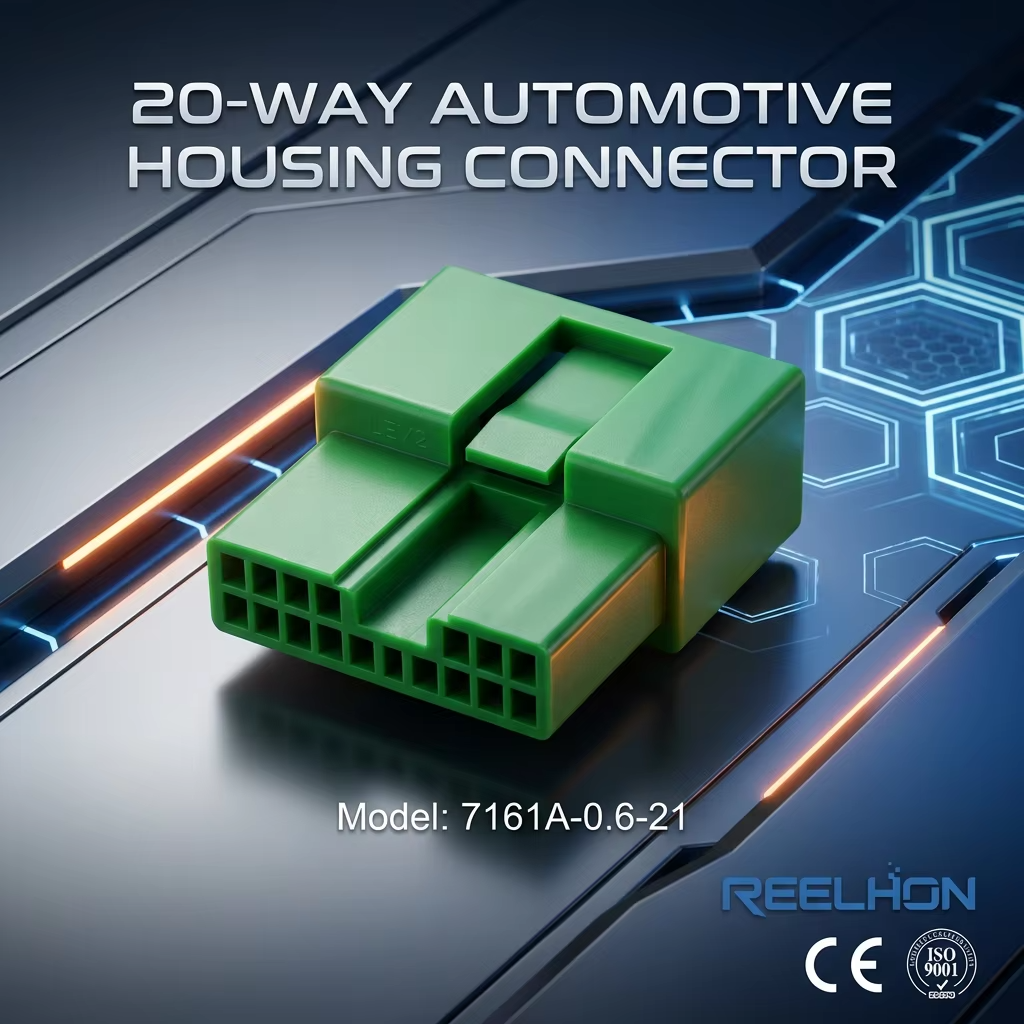
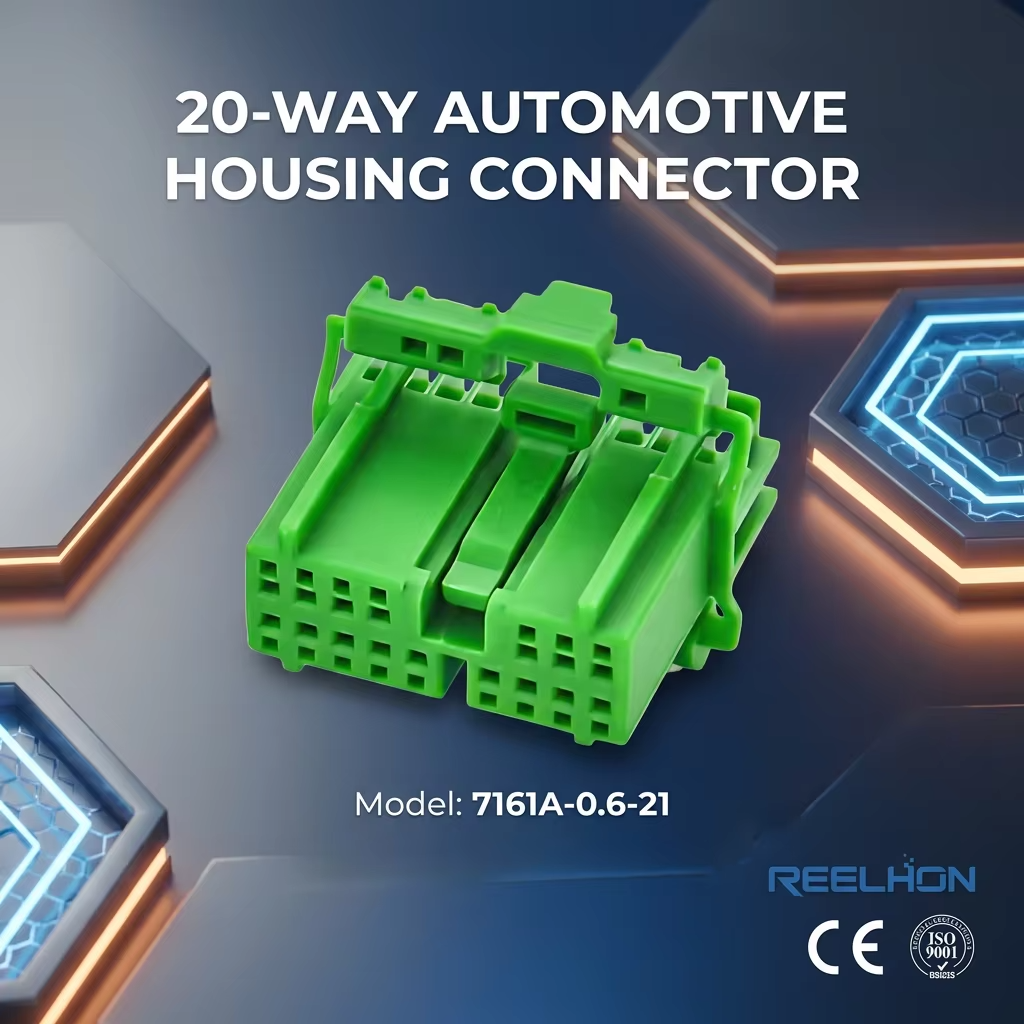
Automotive harness connectors are critical electrical components that enable reliable power distribution and signal transmission throughout modern vehicles. These precision-engineered connectors serve as the junction points where individual wires and cable assemblies meet, creating secure electrical pathways between various automotive systems including engine management, infotainment, safety features, and lighting systems. The primary function of automotive harness connectors is to establish dependable electrical connections that can withstand harsh operating conditions including extreme temperatures, vibration, moisture exposure, and chemical contaminants commonly encountered in automotive environments. Technologically, these connectors incorporate advanced materials such as high-grade copper alloys for optimal conductivity, durable thermoplastic housings for mechanical protection, and specialized sealing systems to prevent moisture ingress. Automotive harness connectors feature precise terminal designs that ensure consistent contact pressure and minimize electrical resistance over the vehicle's lifespan. Modern variants include intelligent design elements such as color-coded housings for simplified installation, secondary locking mechanisms to prevent accidental disconnection, and keying systems that eliminate mating errors during assembly. Applications span across all vehicle types from passenger cars to commercial trucks and electric vehicles, where they connect critical components including sensors, control modules, actuators, battery management systems, and charging infrastructure. The reliability of automotive harness connectors directly impacts vehicle performance, safety compliance, and operational longevity, making them indispensable in contemporary automotive electrical architecture.



 EN


