automotive harness
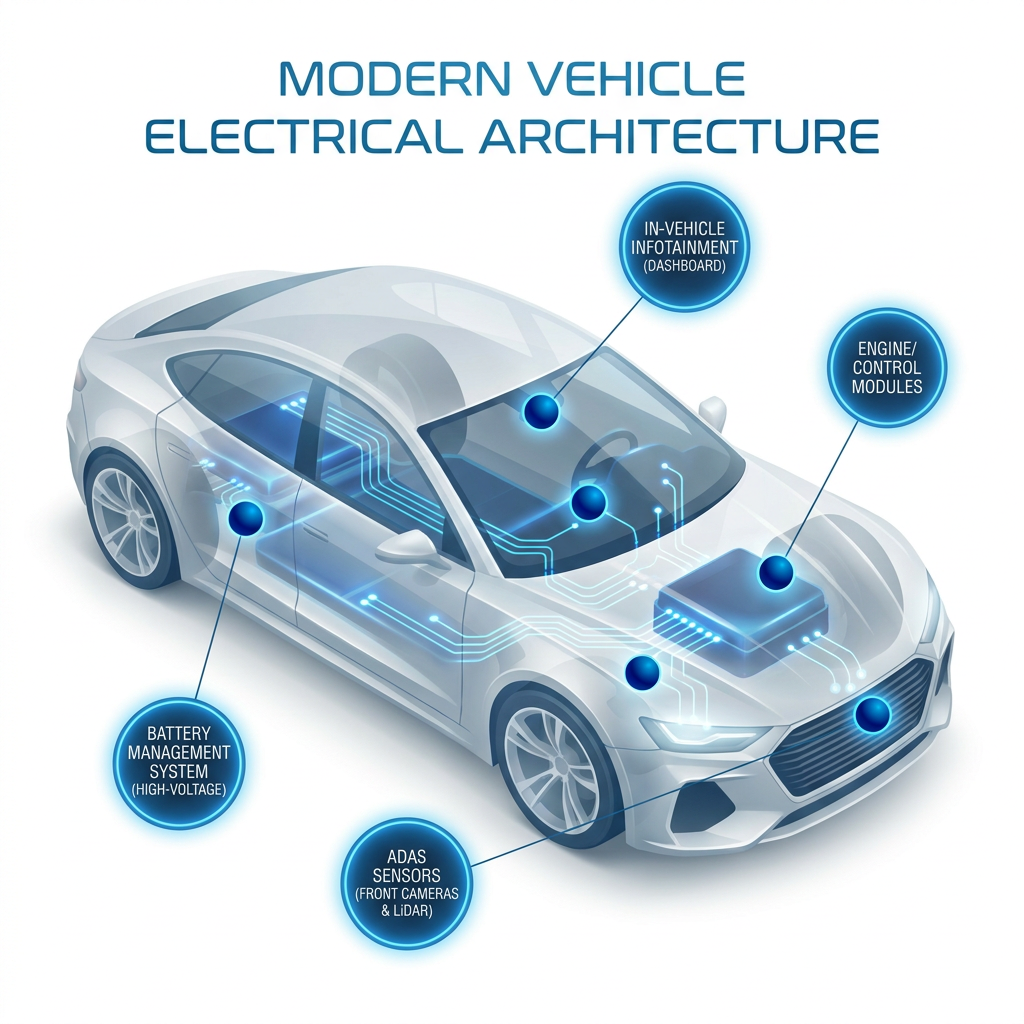
An automotive harness serves as the central nervous system of modern vehicles, providing essential electrical connectivity throughout the entire automobile. This sophisticated network of wires, connectors, terminals, and protective materials distributes electrical power and transmits signals between various components, ensuring seamless communication and operation. The automotive harness connects critical systems including the engine control unit, lighting circuits, entertainment systems, safety features, and sensor networks. Each automotive harness is engineered with precision to meet stringent quality standards and withstand harsh operating conditions such as extreme temperatures, vibration, moisture, and chemical exposure. Modern automotive harness designs incorporate advanced materials like cross-linked polyethylene insulation and flame-retardant sheathing to ensure durability and safety. The complexity of an automotive harness varies depending on vehicle type and functionality, ranging from simple configurations in basic models to intricate multi-layered networks in luxury and electric vehicles. Manufacturing processes combine automated production techniques with skilled manual assembly to achieve optimal quality and reliability. The automotive harness must comply with international automotive standards and undergo rigorous testing protocols including continuity checks, insulation resistance measurements, and environmental simulation tests. As vehicles become increasingly electrified and automated, the automotive harness evolves to support higher voltage systems, advanced driver assistance features, and complex infotainment networks, making it an indispensable component in contemporary automotive engineering.

 EN