automotive electrical harness connectors
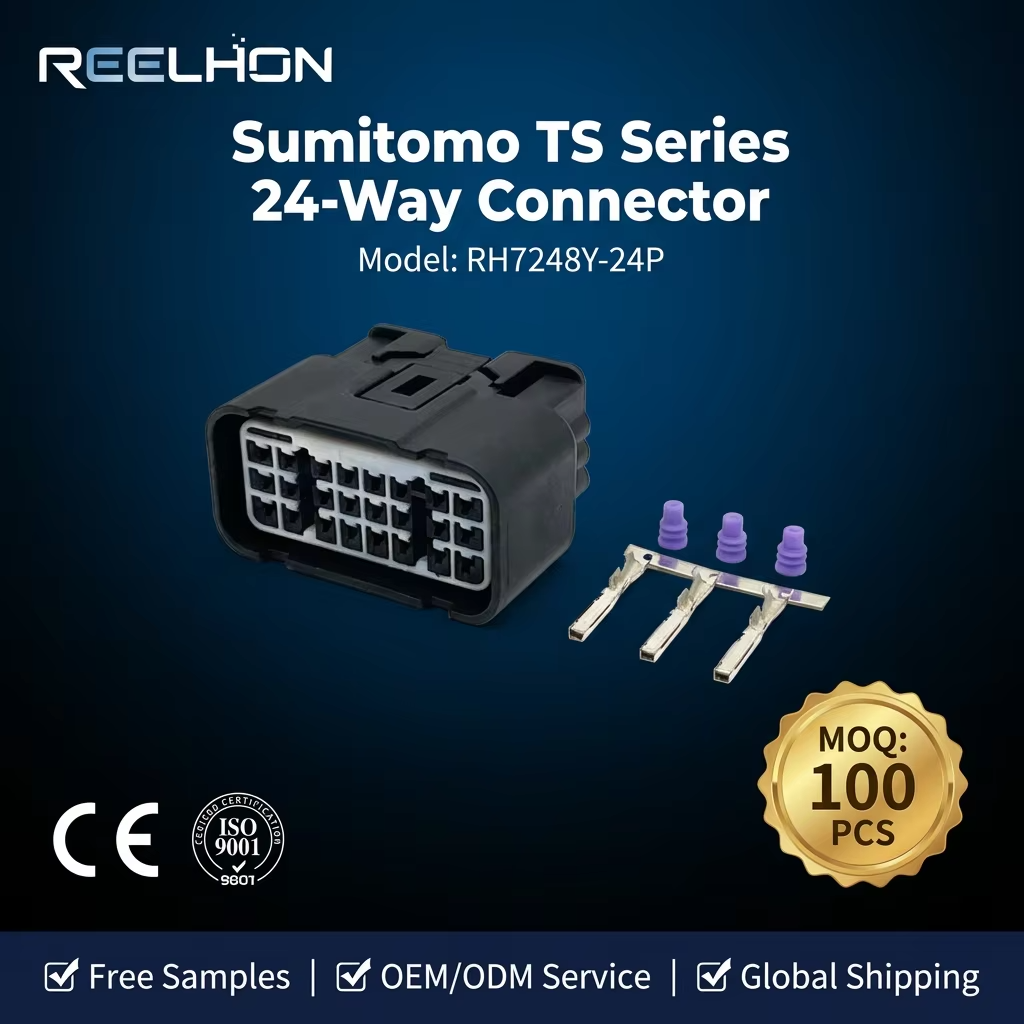
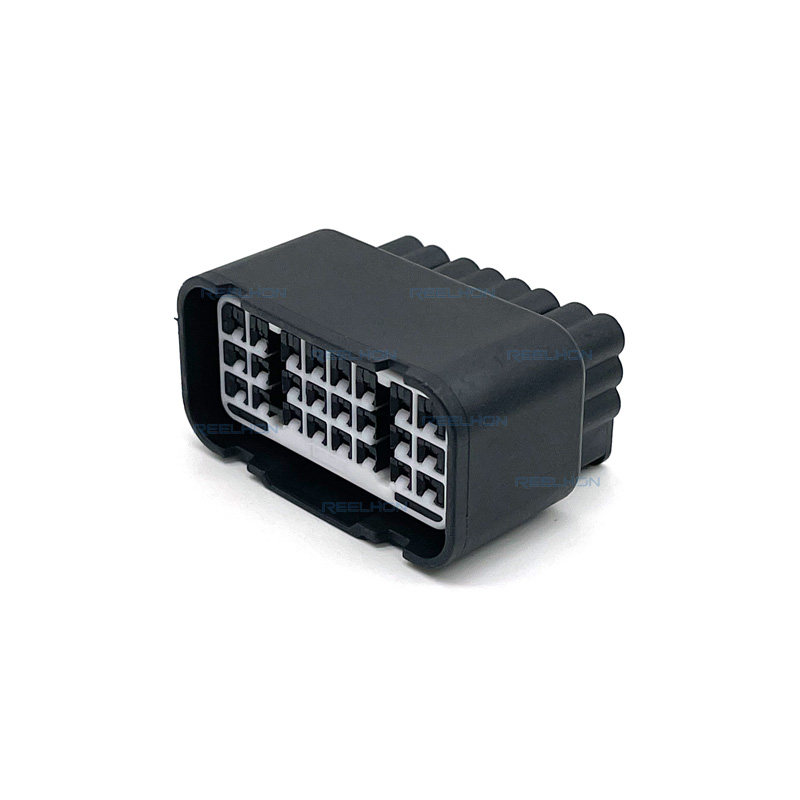
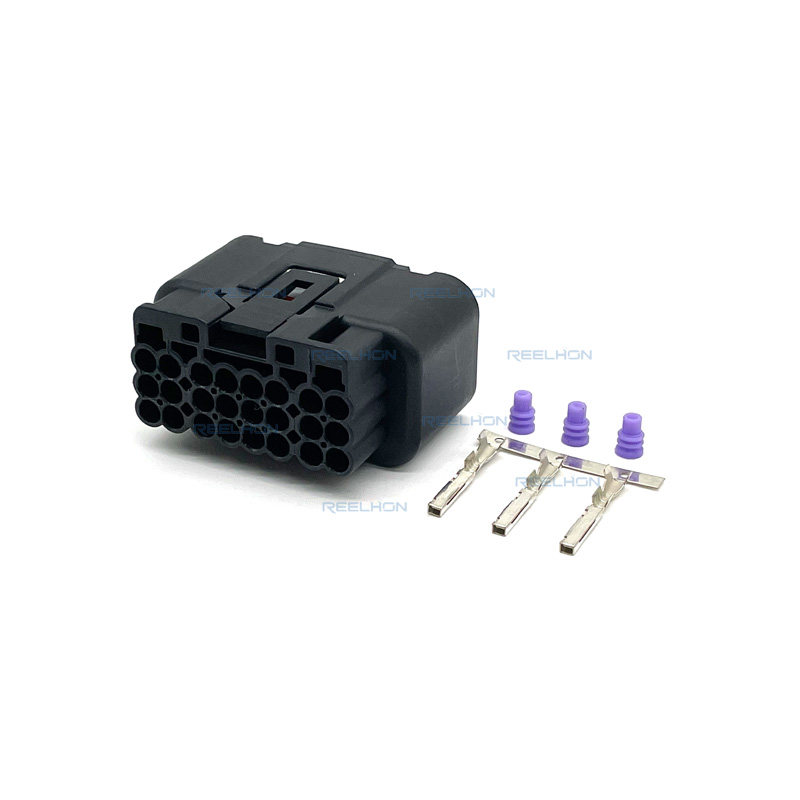
Automotive electrical harness connectors serve as critical interface components that enable reliable electrical connections throughout modern vehicles. These specialized connectors facilitate the seamless transmission of power and data signals between various electronic systems, including engine management units, safety features, infotainment systems, and sensor networks. As vehicles become increasingly sophisticated with advanced driver assistance systems and electrification technologies, automotive electrical harness connectors have evolved to meet stringent performance requirements. The main functions include establishing secure electrical pathways, protecting connections from environmental contaminants, and ensuring signal integrity under challenging operating conditions. Technological features of automotive electrical harness connectors encompass sealed housing designs that resist moisture and dust ingress, precision-engineered contact terminals that maintain consistent connectivity, and locking mechanisms that prevent accidental disconnection during vehicle operation. Many connectors incorporate color-coded housings and keying systems to prevent incorrect mating, reducing installation errors during manufacturing and servicing. Temperature-resistant materials allow these connectors to function reliably across extreme thermal ranges, from freezing winter conditions to high under-hood temperatures. Applications span across all vehicle domains, from powertrain and transmission control to body electronics and lighting systems. Automotive electrical harness connectors are essential in hybrid and electric vehicles, where they manage high-voltage battery connections and charging systems. Their robust construction and standardized designs make them indispensable for automotive manufacturers seeking to maintain consistent quality while meeting global safety and performance standards in an increasingly connected automotive landscape.

 EN


