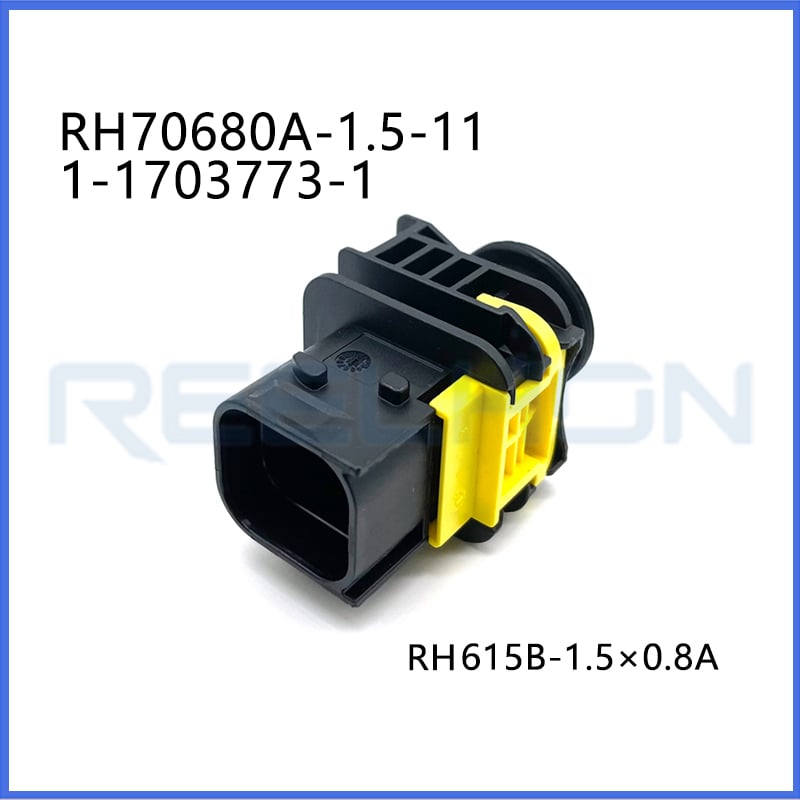
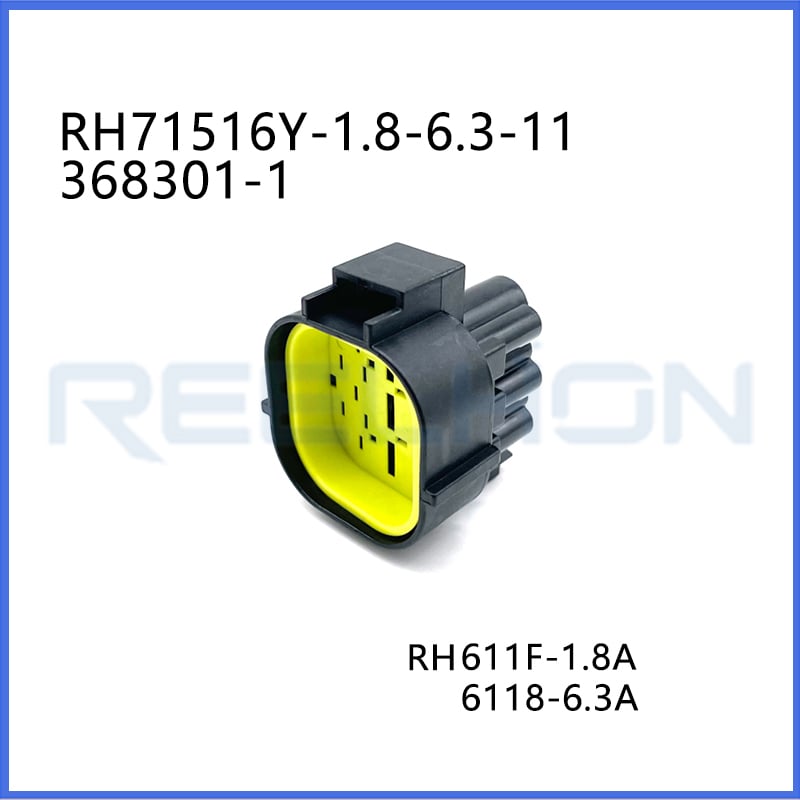
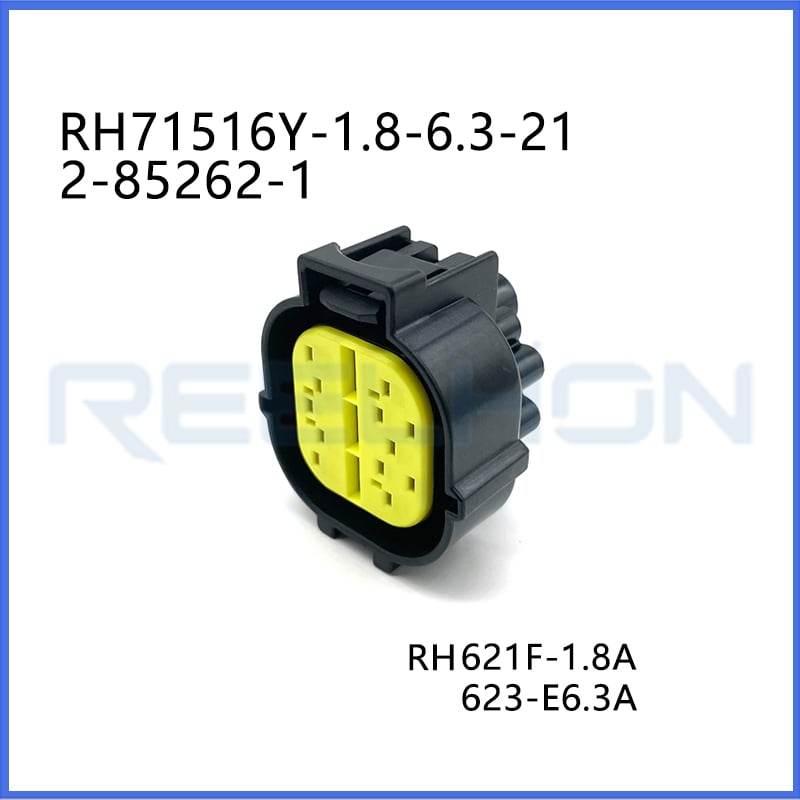
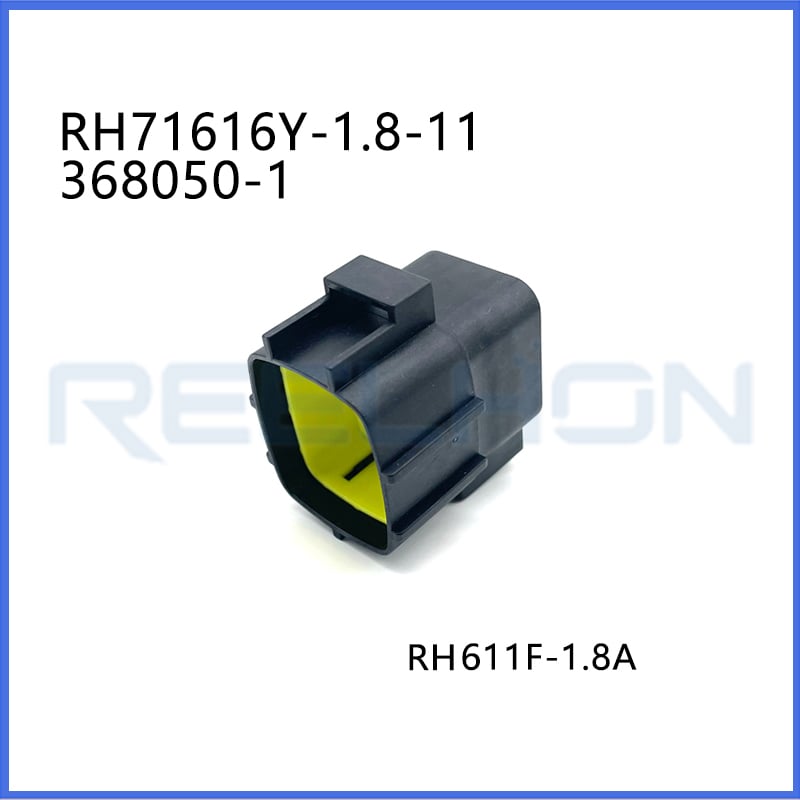
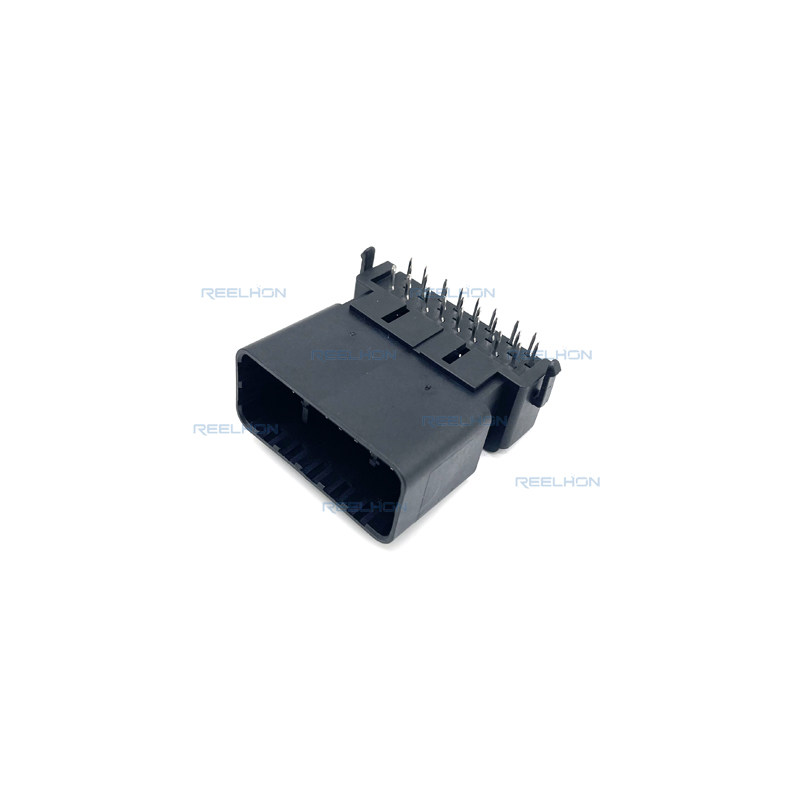
4 pin automotive connector
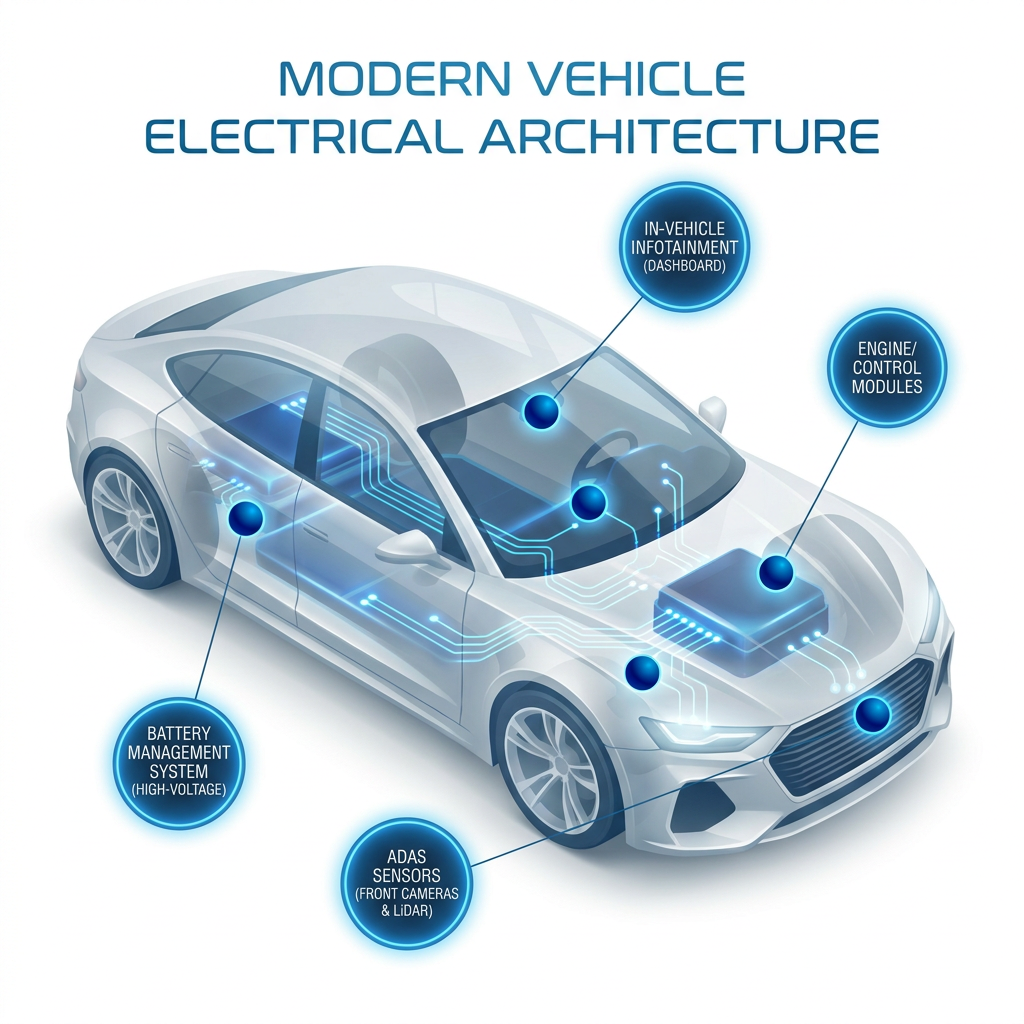
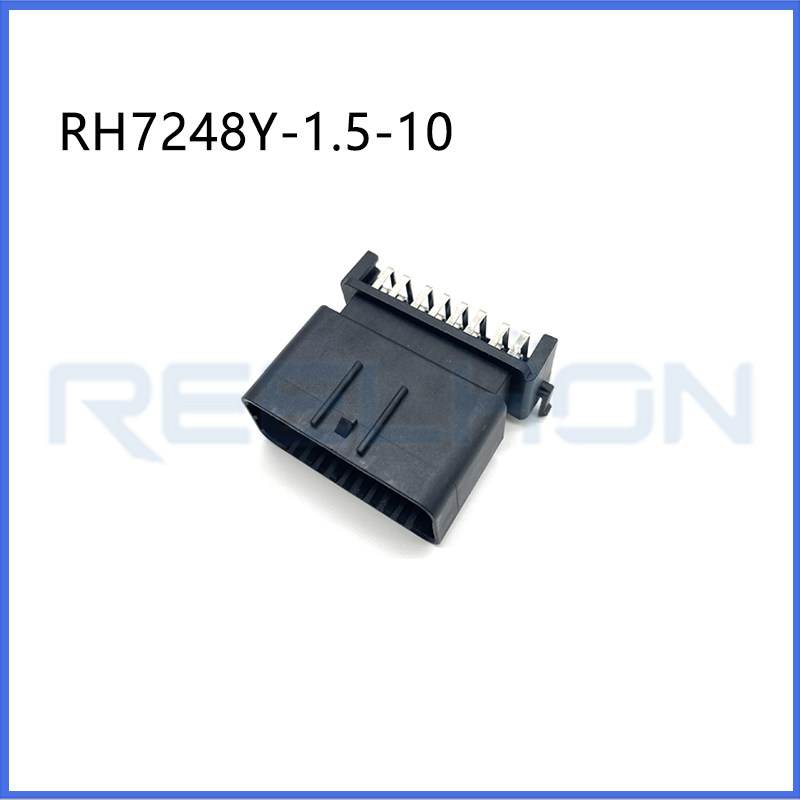
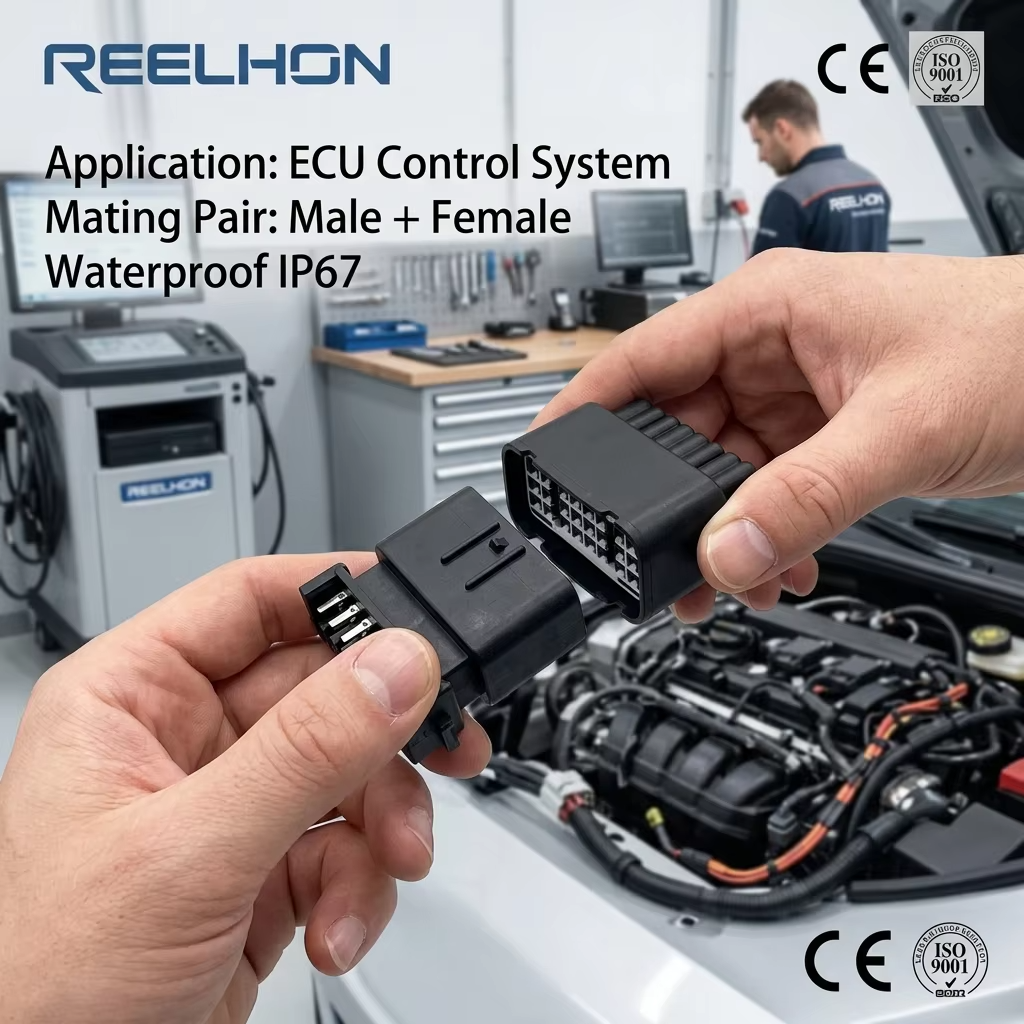
The 4 pin automotive connector serves as a critical electrical component designed to establish reliable connections between various automotive systems and circuits. This specialized connector features four individual terminals that enable simultaneous transmission of power and signals across multiple channels within vehicle applications. Engineered to withstand harsh automotive environments, the 4 pin automotive connector incorporates robust construction materials that resist vibration, moisture, temperature extremes, and chemical exposure commonly encountered in vehicular operations. The connector's primary functions include facilitating electrical connections for lighting systems, sensor networks, fuel injection components, and auxiliary power distribution throughout the vehicle architecture. Technological features of the 4 pin automotive connector encompass precision-molded housings that ensure proper terminal alignment, secure locking mechanisms that prevent accidental disconnection during operation, and contact designs that maintain low electrical resistance for optimal performance. Many variants integrate sealing technology with rubber gaskets or o-rings to achieve IP67 or higher ingress protection ratings, safeguarding internal connections from water and dust contamination. Applications for the 4 pin automotive connector span diverse automotive sectors including passenger vehicles, commercial trucks, agricultural machinery, and marine equipment. Common implementations include trailer lighting harnesses, reverse camera systems, oxygen sensor connections, cooling fan circuits, and auxiliary lighting installations. The standardized four-terminal configuration provides flexibility for designers while maintaining compact dimensions that accommodate space-constrained mounting locations. Whether used in original equipment manufacturing or aftermarket installations, the 4 pin automotive connector delivers dependable connectivity solutions that meet stringent automotive quality standards and ensure long-term operational reliability across varied driving conditions and environmental challenges.



 EN