Auto Electrical Connector Types Guide

All Categories

Get a Free Quote

Our representative will contact you soon.
Subject
Email
Name
Phone/WhatsApp
Company Name
Message
0/1000

auto electrical connector types

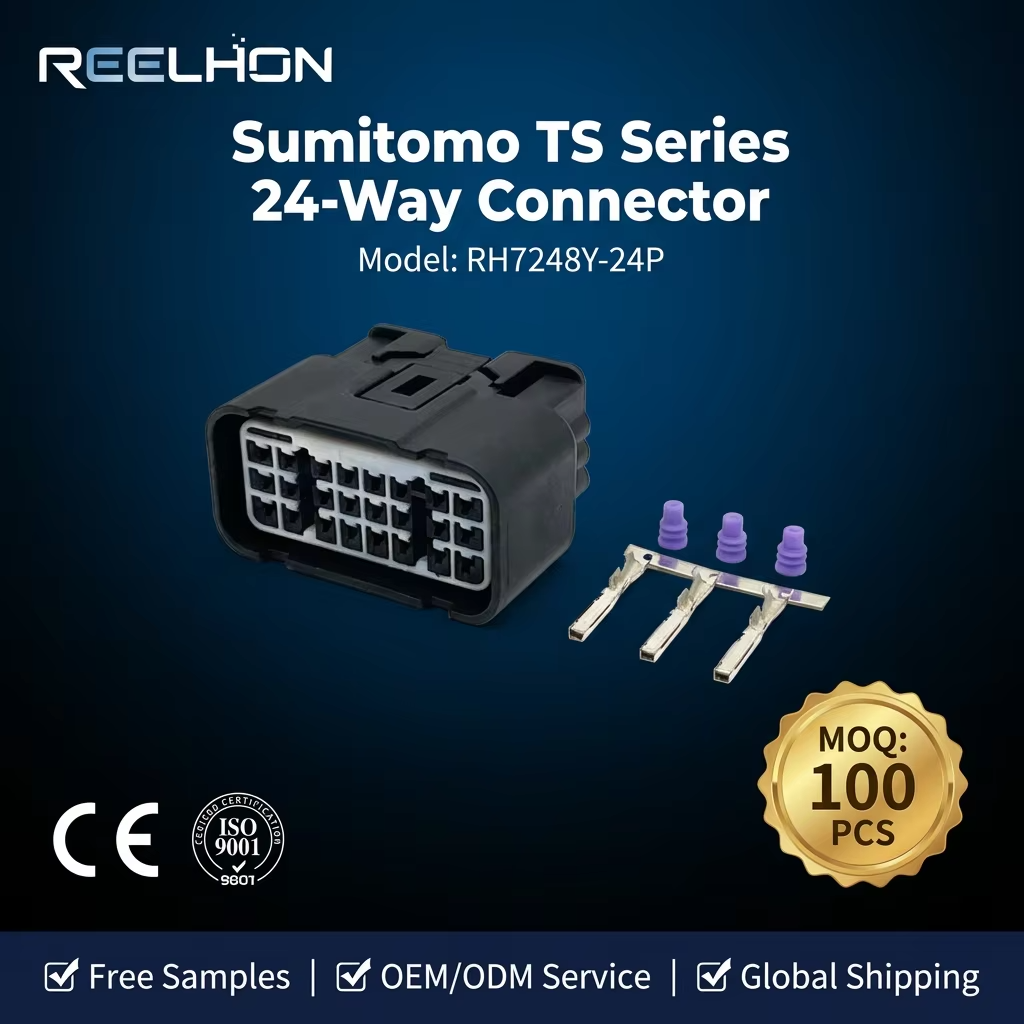
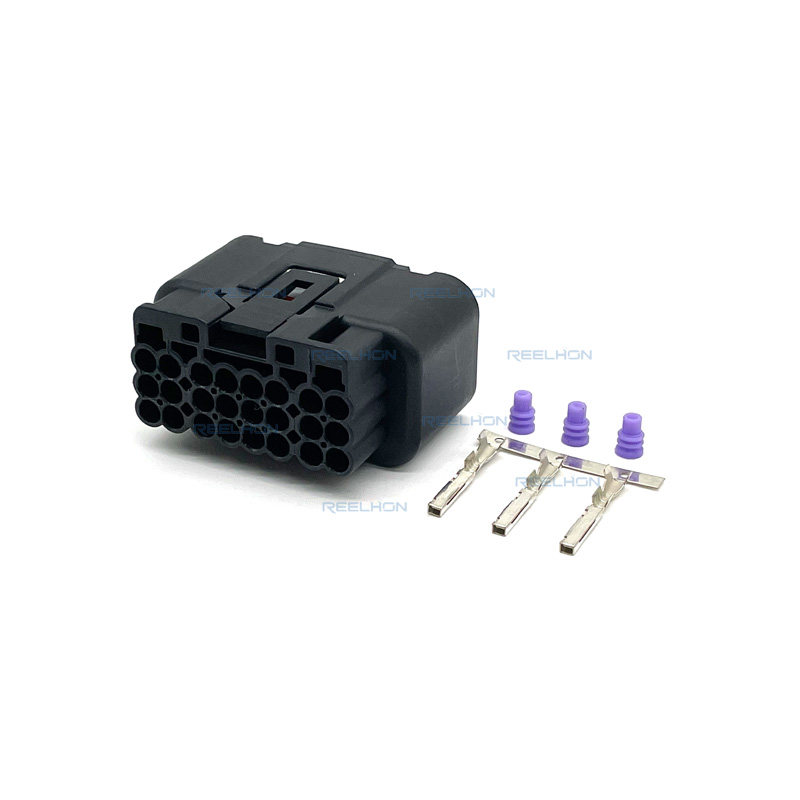
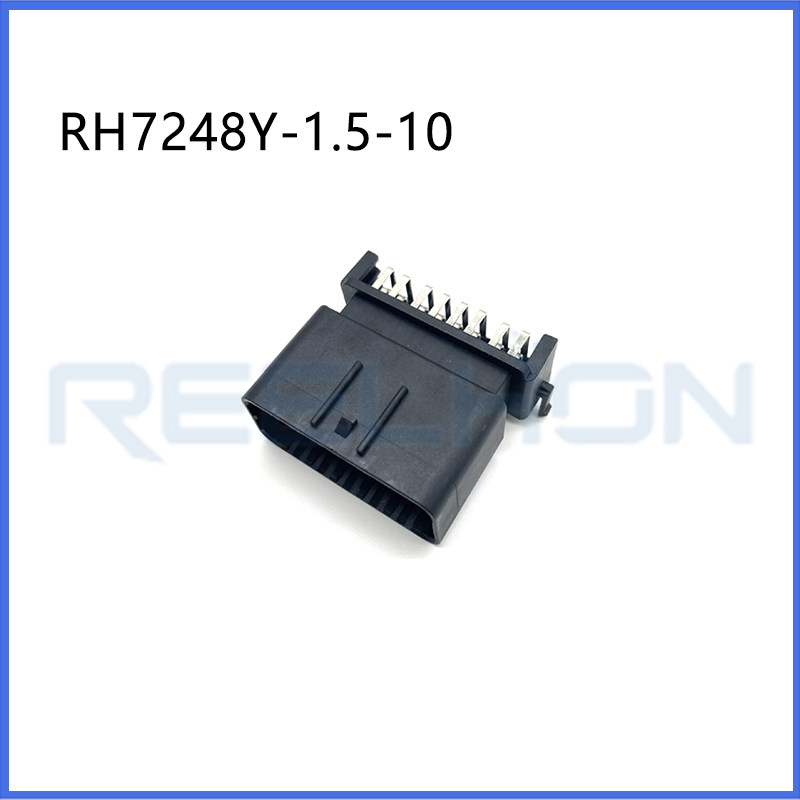
Auto electrical connector types serve as critical components in modern vehicles, enabling reliable power and signal transmission between various electronic systems. These connectors are engineered to withstand harsh automotive environments including extreme temperatures, vibrations, moisture exposure, and chemical contaminants. Understanding auto electrical connector types is essential for vehicle manufacturers, repair technicians, and aftermarket suppliers who require dependable connectivity solutions. The primary function of these connectors involves creating secure electrical pathways that maintain consistent performance throughout the vehicle's lifespan. Modern auto electrical connector types incorporate advanced sealing technologies, corrosion-resistant materials, and precision-engineered contact systems. Common categories include blade connectors for power distribution, weather-pack connectors for exterior applications, and PCB connectors for electronic control units. Each connector type features specific terminal configurations, housing designs, and locking mechanisms tailored to particular automotive applications. Terminal retention force, contact resistance, and current-carrying capacity represent key technological parameters that define connector performance. Auto electrical connector types must comply with automotive industry standards ensuring electromagnetic compatibility, temperature cycling endurance, and environmental protection ratings. Applications span across powertrain management systems, lighting circuits, sensor networks, infotainment modules, and safety-critical systems like airbag deployment. The selection of appropriate auto electrical connector types directly impacts vehicle reliability, maintenance requirements, and overall electrical system performance throughout diverse operating conditions.
New Product Releases

Choosing the right auto electrical connector types delivers significant practical benefits that enhance vehicle performance and reduce long-term ownership costs. These connectors provide superior connection reliability compared to traditional wire splicing methods, eliminating common failure points caused by corrosion or loose contacts. Buyers gain substantial value through reduced maintenance expenses since properly specified auto electrical connector types minimize electrical faults that lead to diagnostic time and component replacement. The modular nature of these connectors simplifies assembly processes during manufacturing and accelerates repair procedures during service interventions, translating to lower labor costs and reduced vehicle downtime. Operational benefits include consistent electrical performance across temperature extremes ranging from subzero cold starts to engine compartment heat exposure, ensuring systems function reliably regardless of climate conditions. Auto electrical connector types feature sealed designs that prevent moisture ingress and contaminant accumulation, extending service life and maintaining electrical integrity in challenging environments. Application suitability varies by connector design, with specialized types optimized for high-current power distribution, sensitive signal transmission, or space-constrained installations. This versatility allows system designers to match connector capabilities precisely to application requirements, optimizing both performance and cost-effectiveness. Decision-useful considerations include connector contact plating options that balance cost against corrosion resistance needs, housing materials selected for specific temperature and chemical exposure profiles, and terminal designs that accommodate wire gauge requirements. The standardization of auto electrical connector types across the automotive industry ensures component availability, facilitates repairs using commonly stocked parts, and enables cost-effective sourcing from multiple suppliers. These practical advantages make investing in quality auto electrical connector types a strategic decision that supports reliable vehicle operation while controlling total cost of ownership.

Latest News

Seal & Plug Solutions

19

May

Seal & Plug Solutions

View More
The Power of High-Precision Instrumentation in Manufacturing

19

May

The Power of High-Precision Instrumentation in Manufacturing

View More
2026: Automotive Connectors Step into High-Quality Development

19

May

2026: Automotive Connectors Step into High-Quality Development

View More
Experience Interactive Sample Showroom

19

May

Experience Interactive Sample Showroom

View More

Get a Free Quote

Our representative will contact you soon.
Subject
Email
Name
Phone/WhatsApp
Company Name
Message
0/1000

auto electrical connector types

Enhanced Environmental Protection Capabilities

Enhanced Environmental Protection Capabilities

Auto electrical connector types incorporate sophisticated sealing technologies that provide exceptional protection against environmental challenges encountered in automotive applications. Multi-stage sealing systems combine connector housing seals with individual wire seals to create redundant moisture barriers that prevent water ingress even under pressure washing or submersion conditions. The housing materials used in premium auto electrical connector types resist degradation from exposure to oils, fuels, brake fluids, and other automotive chemicals that would compromise inferior connector designs. UV-resistant compounds ensure exterior connectors maintain mechanical integrity despite prolonged sunlight exposure that causes material brittleness in unprotected components. Temperature-stable elastomers retain sealing effectiveness across the automotive operating range from negative forty to positive one hundred fifty degrees Celsius, preventing seal compression set that leads to leakage paths. Corrosion-resistant terminal platings including tin, gold, and specialized alloys protect contact surfaces from oxidation that increases electrical resistance and causes intermittent connections. These environmental protection features ensure auto electrical connector types deliver consistent performance throughout vehicle service life, reducing warranty claims and enhancing customer satisfaction through improved reliability in real-world operating conditions.
Optimized Contact Technology for Reliable Performance

Optimized Contact Technology for Reliable Performance

The contact systems engineered into modern auto electrical connector types represent sophisticated designs that balance electrical performance, mechanical durability, and cost effectiveness. Spring-loaded contact terminals maintain consistent pressure against mating surfaces despite thermal cycling and vibration exposure that would loosen rigid connections, ensuring stable contact resistance throughout operational conditions. Auto electrical connector types utilize precision-stamped terminals with controlled contact geometry that maximizes current-carrying capacity while minimizing connector size and material costs. Surface treatments on contact areas reduce friction during mating operations while maintaining low electrical resistance, facilitating assembly without damaging plating layers that protect against corrosion. Terminal retention systems incorporate mechanical locks that prevent wire pullout under cable tension, vibration loads, or thermal expansion forces, maintaining electrical continuity even in demanding installations. The contact normal force engineered into auto electrical connector types ensures gas-tight junctions that resist oxidation at the interface, preventing the formation of insulating films that degrade connection quality over time. Multiple contact points in some connector designs provide redundant current paths that maintain circuit function even if individual contacts experience degradation, enhancing system reliability for safety-critical applications. These advanced contact technologies make auto electrical connector types significantly more dependable than alternative connection methods.
Application-Specific Design Versatility

Application-Specific Design Versatility

Auto electrical connector types encompass diverse design variations tailored to specific functional requirements across vehicle electrical architectures, enabling optimal solutions for each application context. Low-profile connectors accommodate space-constrained installations near bodywork or within densely packed electronic control modules where standard connector heights would create interference issues. High-current connector variants incorporate larger contact cross-sections and enhanced thermal management features supporting power distribution circuits for electric vehicle batteries, starter motors, and alternator outputs without overheating under sustained load conditions. Signal-integrity-optimized auto electrical connector types feature impedance-controlled designs, shielding provisions, and differential pair routing that preserve data transmission quality for high-speed communication networks including CAN bus, LIN bus, and Ethernet automotive protocols. Quick-disconnect designs facilitate rapid service procedures during maintenance operations, reducing technician time while ensuring proper reconnection that maintains system functionality. Keying features prevent incorrect mating between similar-appearing connectors, eliminating assembly errors that could cause electrical damage or safety hazards from reversed polarity or misrouted circuits. Color-coding schemes and labeling provisions integrated into auto electrical connector types simplify circuit identification during troubleshooting, accelerating diagnostic procedures and reducing service costs. This design versatility ensures appropriate connector solutions exist for every automotive electrical requirement.

Get a Free Quote

Our representative will contact you soon.
Subject
Email
Name
Phone/WhatsApp
Company Name
Message
0/1000