Automotive Connector Types Guide & Solutions

All Categories

Get a Free Quote

Our representative will contact you soon.
Subject
Email
Name
Phone/WhatsApp
Company Name
Message
0/1000

automotive connector types

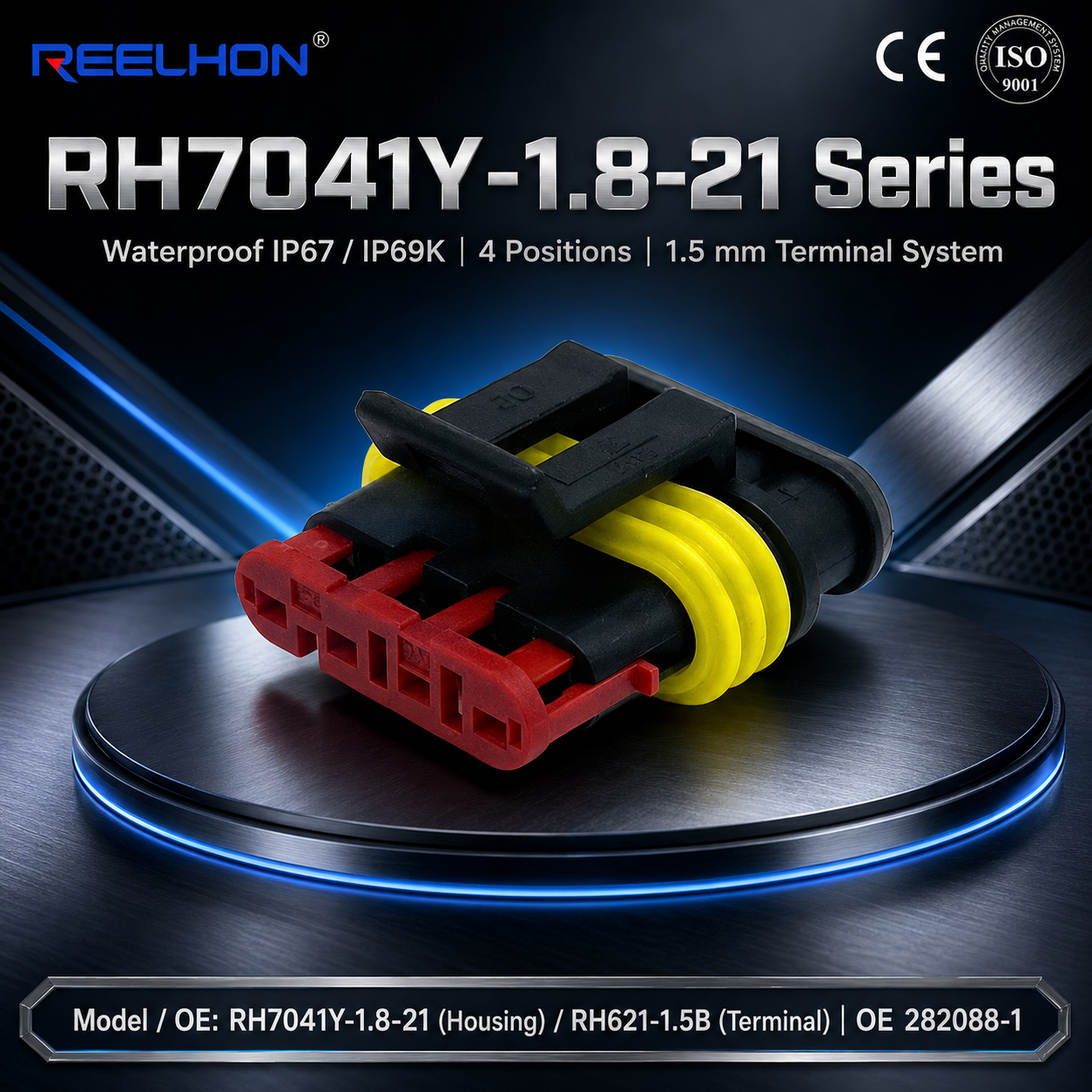
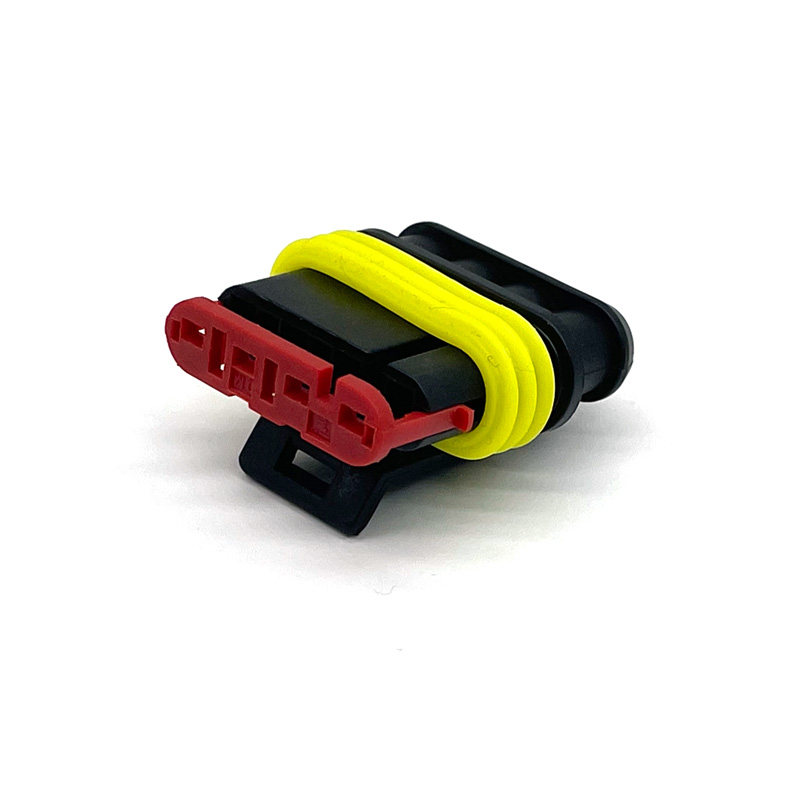
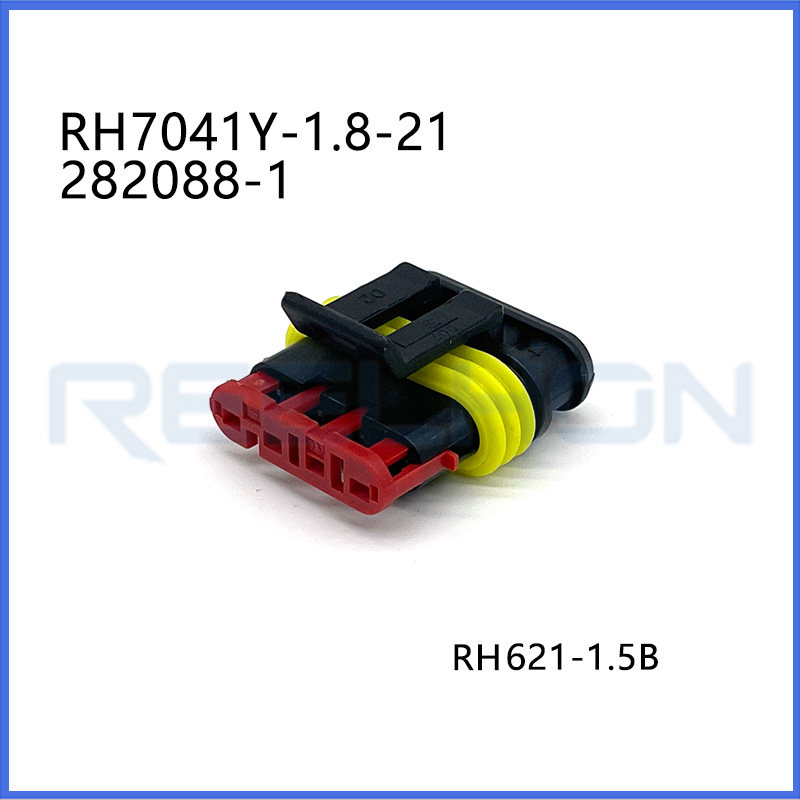
Automotive connector types serve as critical electrical and electronic interface components that enable reliable power transmission and signal communication throughout modern vehicles. These specialized connectors are engineered to withstand harsh automotive environments including extreme temperatures, vibrations, moisture exposure, and chemical contaminants. Understanding automotive connector types is essential for manufacturers, engineers, and technicians working in vehicle assembly, maintenance, and repair operations. The primary automotive connector types include wire-to-wire connectors that join cable harnesses, wire-to-board connectors linking circuits to control units, and sealed connectors designed for exposure to environmental elements. High-voltage automotive connector types support electric and hybrid vehicle battery systems, while low-voltage variants manage lighting, sensors, and infotainment systems. Terminal design varies across automotive connector types, featuring blade, pin, socket, and crimp configurations optimized for specific electrical loads and mechanical requirements. Housing materials for automotive connector types typically utilize high-grade thermoplastics with flame-retardant properties, ensuring durability and safety compliance. Locking mechanisms integrated into automotive connector types prevent accidental disconnection during vehicle operation, while keying features eliminate improper mating between incompatible connectors. Color-coding systems help technicians quickly identify different automotive connector types during diagnostic and repair procedures. Advanced automotive connector types incorporate shielding technology to minimize electromagnetic interference affecting sensitive electronic control modules. As vehicles become increasingly electrified and autonomous, the diversity and sophistication of automotive connector types continue expanding to meet evolving technological demands.

Popular Products

Selecting appropriate automotive connector types delivers substantial operational benefits that directly impact vehicle reliability, manufacturing efficiency, and long-term maintenance costs. Quality automotive connector types ensure consistent electrical connections that prevent voltage drops, signal degradation, and intermittent failures that compromise vehicle performance and safety systems. Manufacturers benefit from standardized automotive connector types that streamline assembly processes, reduce installation errors, and accelerate production line throughput while maintaining quality consistency. The modular nature of automotive connector types simplifies diagnostic procedures, allowing technicians to quickly isolate electrical faults and replace defective components without extensive wire harness modifications. Sealed automotive connector types provide exceptional protection against moisture ingress, road salt corrosion, and fluid contamination, significantly extending service life in challenging operating environments. This durability reduces warranty claims and enhances customer satisfaction through improved vehicle dependability. Cost-effective automotive connector types optimize material usage while meeting rigorous automotive industry standards for mechanical strength, electrical performance, and environmental resistance. The wide selection of automotive connector types enables engineers to specify precisely matched solutions for diverse applications ranging from simple lighting circuits to complex multiplex communication networks. Quick-disconnect automotive connector types facilitate efficient service procedures, reducing labor time during routine maintenance and component replacement operations. Temperature-resistant automotive connector types maintain stable electrical characteristics across extreme climate conditions from arctic cold to desert heat, ensuring consistent vehicle operation worldwide. The standardization of automotive connector types across vehicle platforms reduces inventory complexity for service centers and parts suppliers while ensuring broad compatibility. Investing in proven automotive connector types minimizes field failures, protects brand reputation, and delivers measurable return on investment through enhanced reliability and reduced lifecycle costs.

Practical Tips

The Power of High-Precision Instrumentation in Manufacturing

19

May

The Power of High-Precision Instrumentation in Manufacturing

View More
2026: Automotive Connectors Step into High-Quality Development

19

May

2026: Automotive Connectors Step into High-Quality Development

View More
Experience Interactive Sample Showroom

19

May

Experience Interactive Sample Showroom

View More
Driving Supply Chain Resilience: Excellence in Systematic Warehouse Operations

19

May

Driving Supply Chain Resilience: Excellence in Systematic Warehouse Operations

View More

Get a Free Quote

Our representative will contact you soon.
Subject
Email
Name
Phone/WhatsApp
Company Name
Message
0/1000

automotive connector types

Environmental Resilience and Durability

Environmental Resilience and Durability

Modern automotive connector types incorporate advanced sealing technologies and robust material engineering that deliver exceptional resistance to harsh environmental conditions encountered throughout vehicle service life. Premium automotive connector types feature multi-stage sealing systems combining elastomeric gaskets, sealed cavities, and environmental caps that achieve IP67 or IP69K ingress protection ratings, preventing moisture, dust, and chemical penetration. The housing materials used in quality automotive connector types resist degradation from automotive fluids including fuel, oil, brake fluid, and coolants, while maintaining structural integrity across temperature ranges from minus forty to plus one hundred fifty degrees Celsius. Vibration-resistant designs in automotive connector types utilize secure locking mechanisms and robust terminal retention systems that maintain electrical continuity despite constant mechanical stress from engine operation and road conditions. Salt spray resistance ensures automotive connector types perform reliably in coastal environments and winter road conditions where corrosive deicing chemicals accelerate material degradation. UV-stabilized materials prevent automotive connector types from becoming brittle when exposed to prolonged sunlight in engine compartments and exterior mounting locations. This comprehensive environmental protection translates into extended service intervals, reduced maintenance requirements, and improved vehicle uptime for commercial and consumer applications alike.
Precision Electrical Performance

Precision Electrical Performance

Superior automotive connector types deliver precise electrical characteristics engineered to meet demanding requirements of modern vehicle electrical architectures spanning power distribution, data communication, and sensor networks. High-quality automotive connector types maintain consistent contact resistance throughout their operational lifespan, ensuring stable voltage delivery to critical systems including engine control units, safety systems, and infotainment modules. Advanced terminal designs in automotive connector types optimize contact force and surface area, minimizing electrical resistance while accommodating thermal expansion and mechanical tolerances. Automotive connector types supporting high-speed data transmission incorporate controlled impedance pathways and integrated shielding that preserve signal integrity for protocols including CAN bus, LIN, FlexRay, and Ethernet networks essential for advanced driver assistance systems. Current-carrying capacity varies across automotive connector types, with heavy-duty variants supporting hundreds of amperes for electric vehicle charging and traction systems while miniaturized versions handle milliamp sensor signals with equal reliability. Gold or tin plating applied to terminals in premium automotive connector types prevents oxidation and ensures low contact resistance over extended service periods. The precise mechanical tolerances maintained in quality automotive connector types guarantee proper terminal engagement, preventing partial connections that cause intermittent faults difficult to diagnose. This electrical precision ensures automotive connector types support increasingly complex vehicle electronics while maintaining the reliability standards demanded by automotive manufacturers and consumers.
Application Versatility and Standardization

Application Versatility and Standardization

The extensive range of automotive connector types available today addresses diverse application requirements across all vehicle systems, from basic lighting circuits to sophisticated autonomous driving platforms, while industry standardization facilitates global sourcing and cross-platform compatibility. Manufacturers can select from hundreds of automotive connector types differentiated by pin count, current rating, environmental protection level, mounting style, and terminal configuration to match precise application specifications. Standardized automotive connector types reduce engineering development time and tooling costs by leveraging proven designs validated across millions of vehicles rather than requiring custom solutions for each application. The modularity inherent in modern automotive connector types enables scalable architectures where additional circuits can be accommodated through higher pin-count variants within the same connector family, supporting vehicle option packages and regional specification differences. Color-coded housings and keyed designs prevent misassembly of different automotive connector types during production, reducing quality defects and rework costs. Global automotive standards organizations coordinate specifications for automotive connector types, ensuring components from multiple suppliers maintain dimensional and electrical compatibility while meeting safety and performance requirements. This standardization benefits aftermarket suppliers and repair facilities by enabling broad parts availability and interchangeability. Forward and backward compatibility considerations built into evolving automotive connector types protect manufacturer investments in tooling and harness designs while supporting technology transitions including vehicle electrification and connectivity enhancements that define the automotive industry's future direction.

Get a Free Quote

Our representative will contact you soon.
Subject
Email
Name
Phone/WhatsApp
Company Name
Message
0/1000