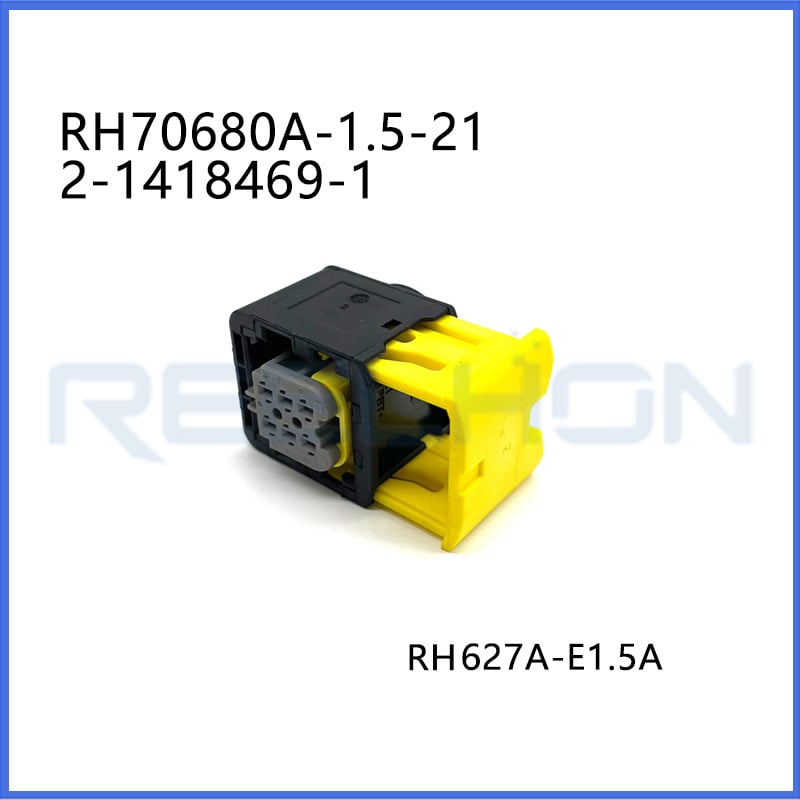
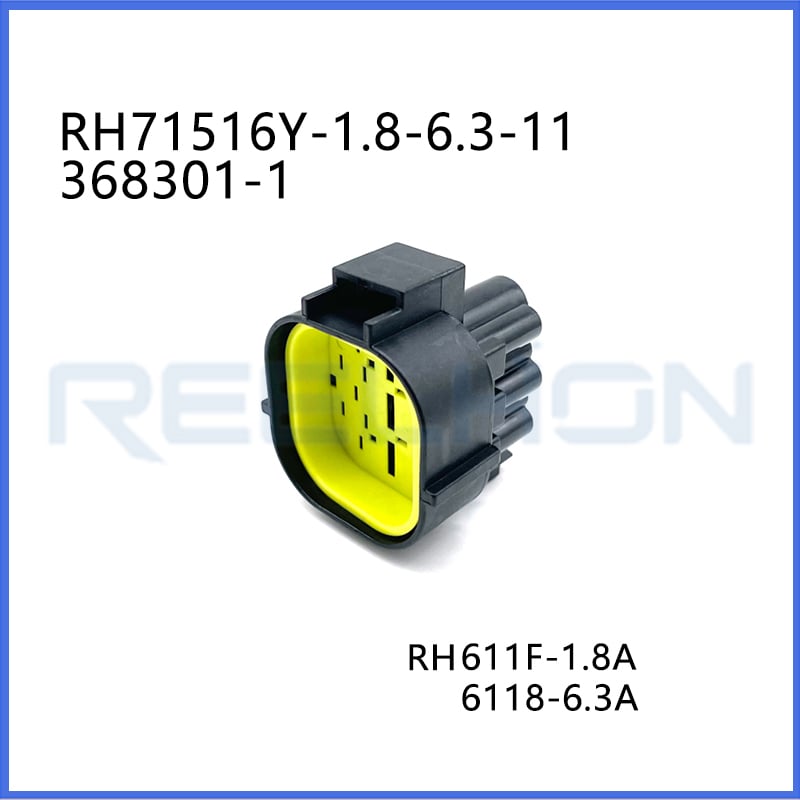
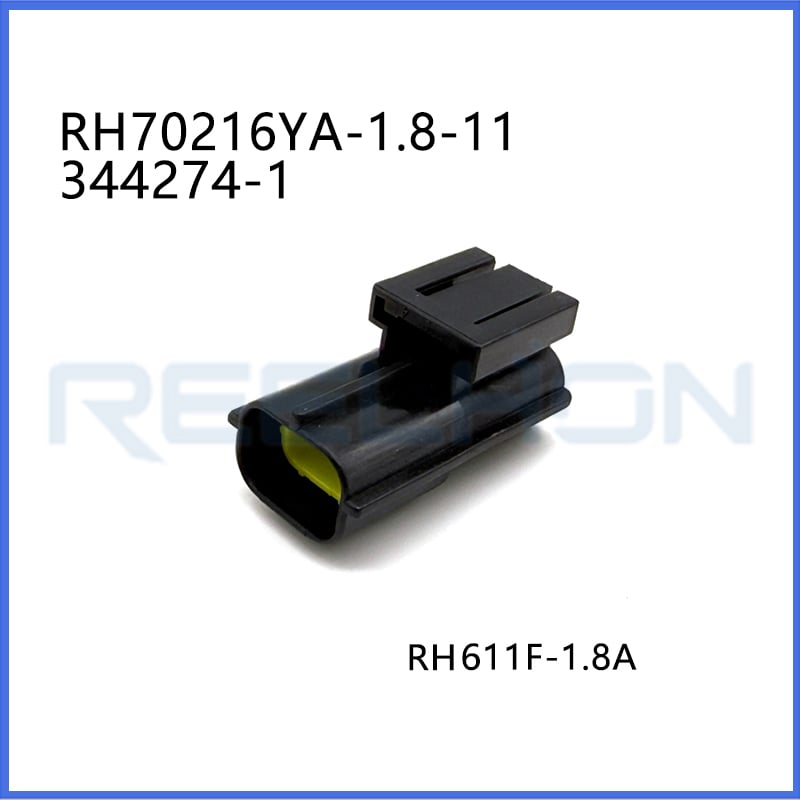
amplifier connector types
Amplifier connector types serve as the critical interface between audio amplifiers and various audio devices, ensuring reliable signal transmission and power delivery. These connectors enable seamless communication between amplifiers and speakers, source equipment, and control systems in both professional and consumer audio applications. Understanding amplifier connector types is essential for achieving optimal sound quality and system compatibility. The most common amplifier connector types include binding posts, speakon connectors, banana plugs, XLR connectors, RCA jacks, and terminal blocks. Each connector type offers distinct characteristics suited to specific applications and power requirements. Binding posts provide versatile connections for bare wire and various plug types, making them popular in home audio systems. Speakon connectors deliver secure locking mechanisms ideal for professional touring and high-power applications. XLR connectors ensure balanced audio transmission with superior noise rejection, commonly used in studio environments. RCA jacks remain standard for consumer electronics and low-level signal connections. The selection of appropriate amplifier connector types depends on factors including power handling capacity, signal integrity requirements, ease of installation, and environmental conditions. Professional installations prioritize durability and security, while home systems often emphasize convenience and aesthetics. Modern amplifier connector types incorporate advanced materials and engineering to minimize signal loss, reduce contact resistance, and withstand repeated connection cycles. Whether configuring a home theater, professional sound reinforcement system, or recording studio, selecting the right amplifier connector types ensures reliable performance, longevity, and optimal audio fidelity across all applications.

 EN