wiring harness connector types
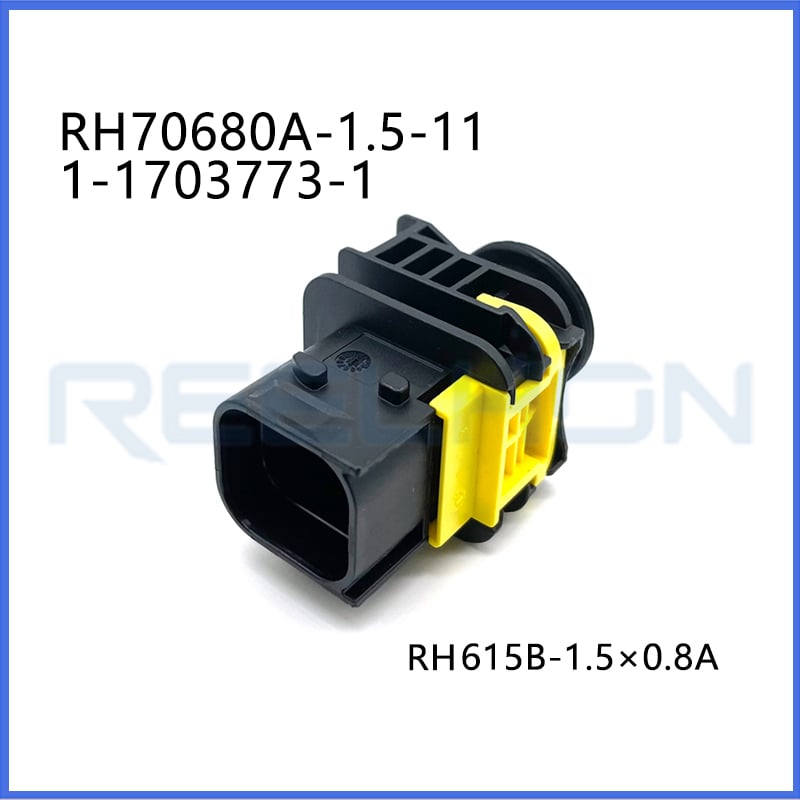
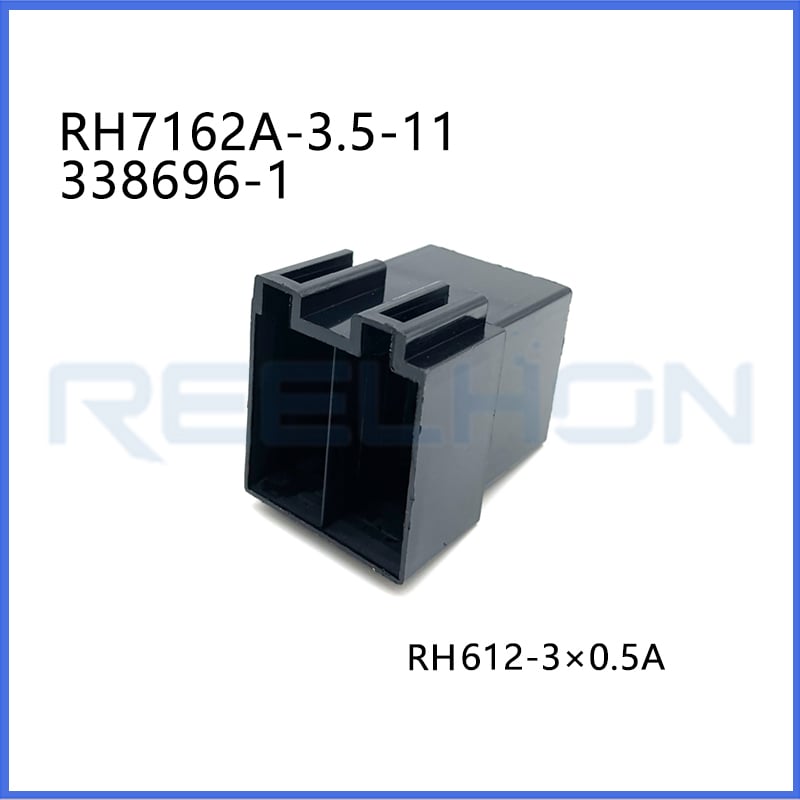
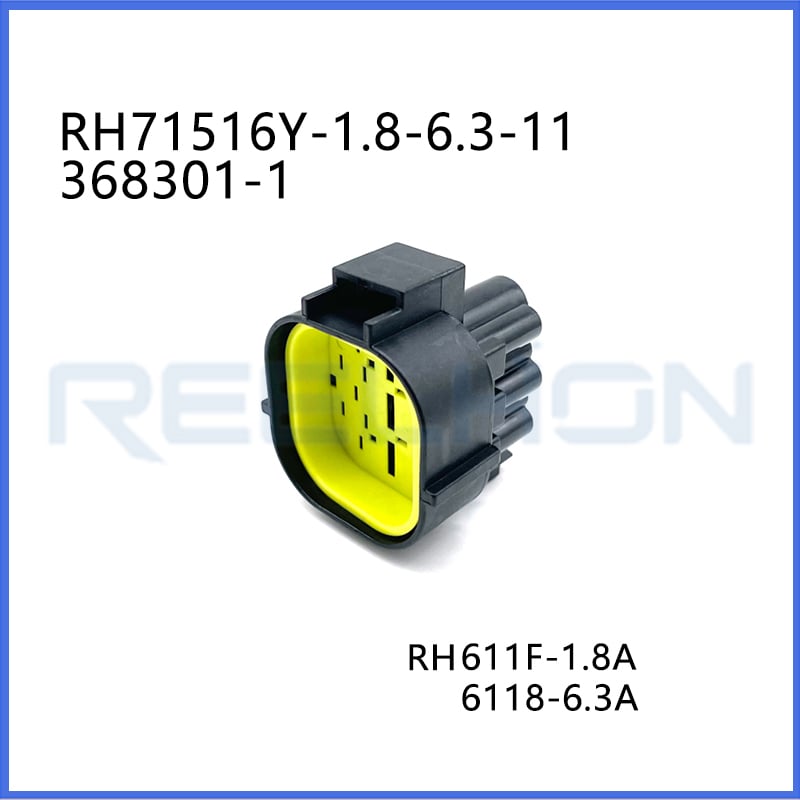
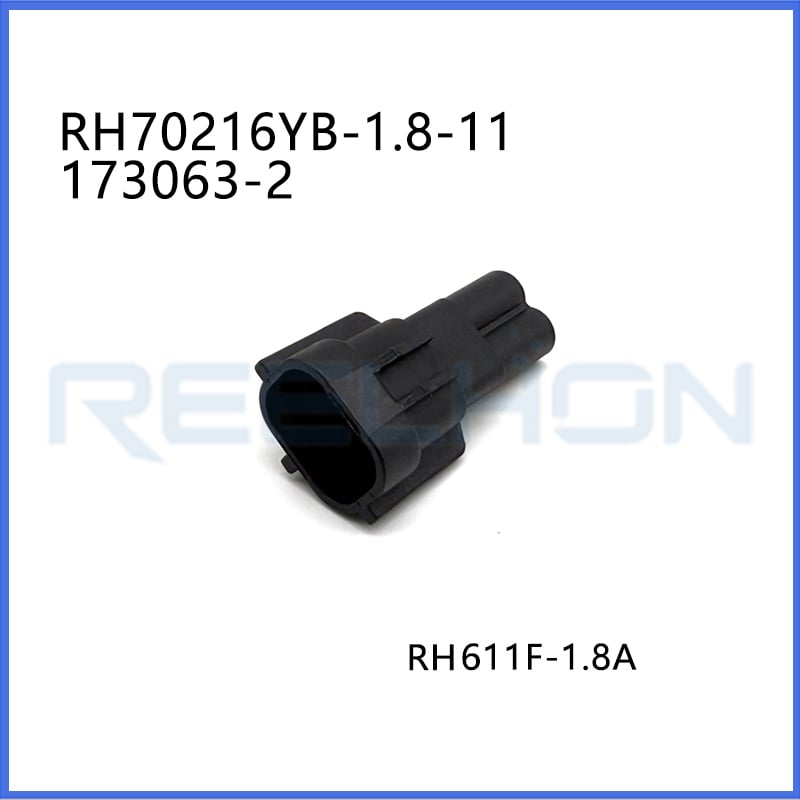
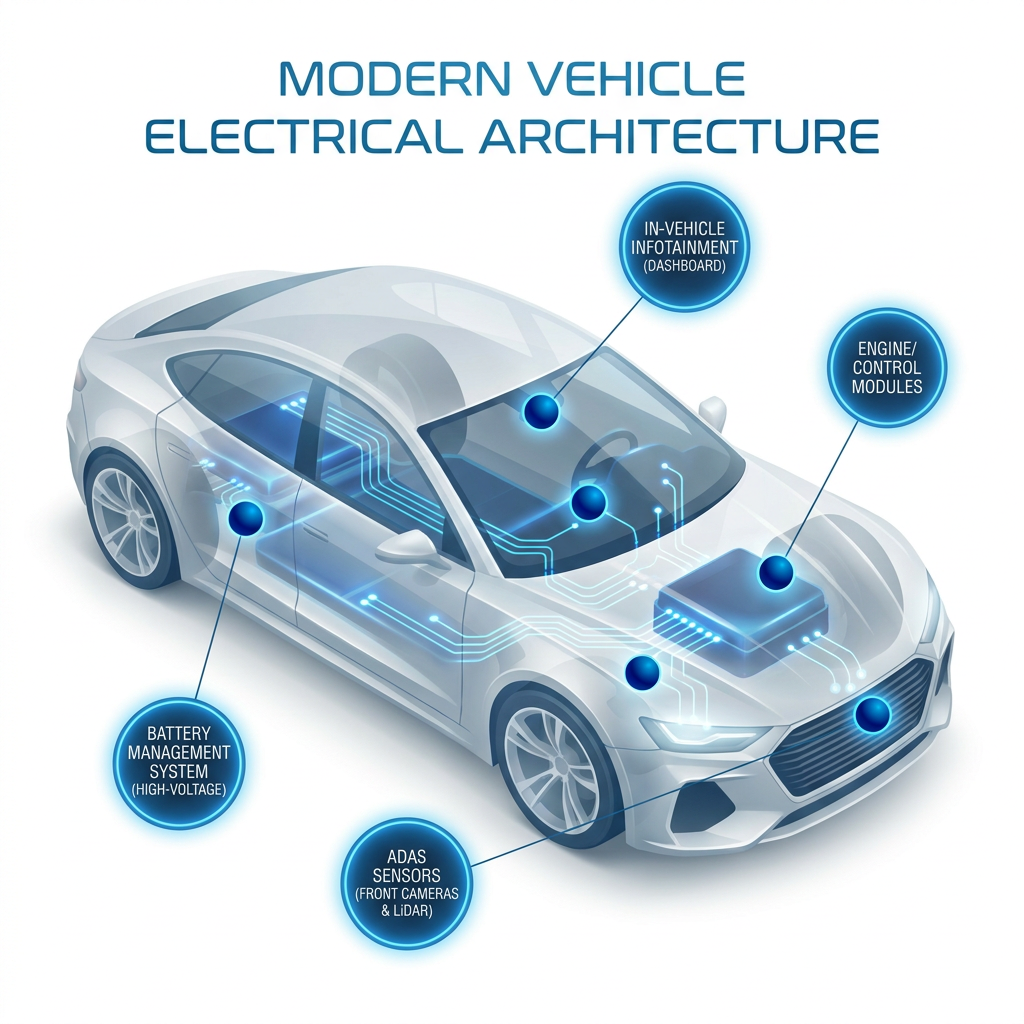
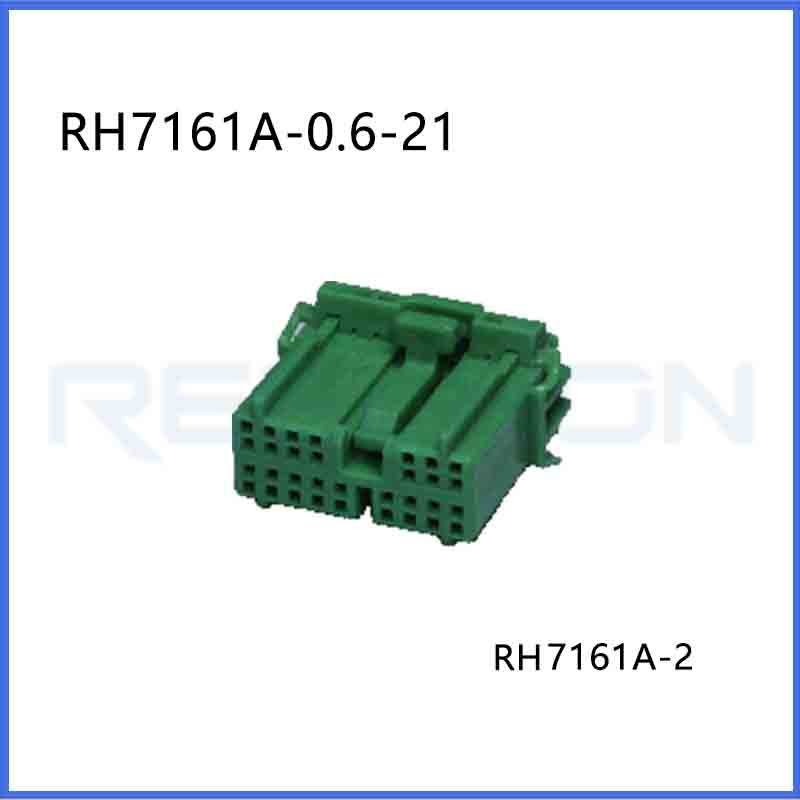
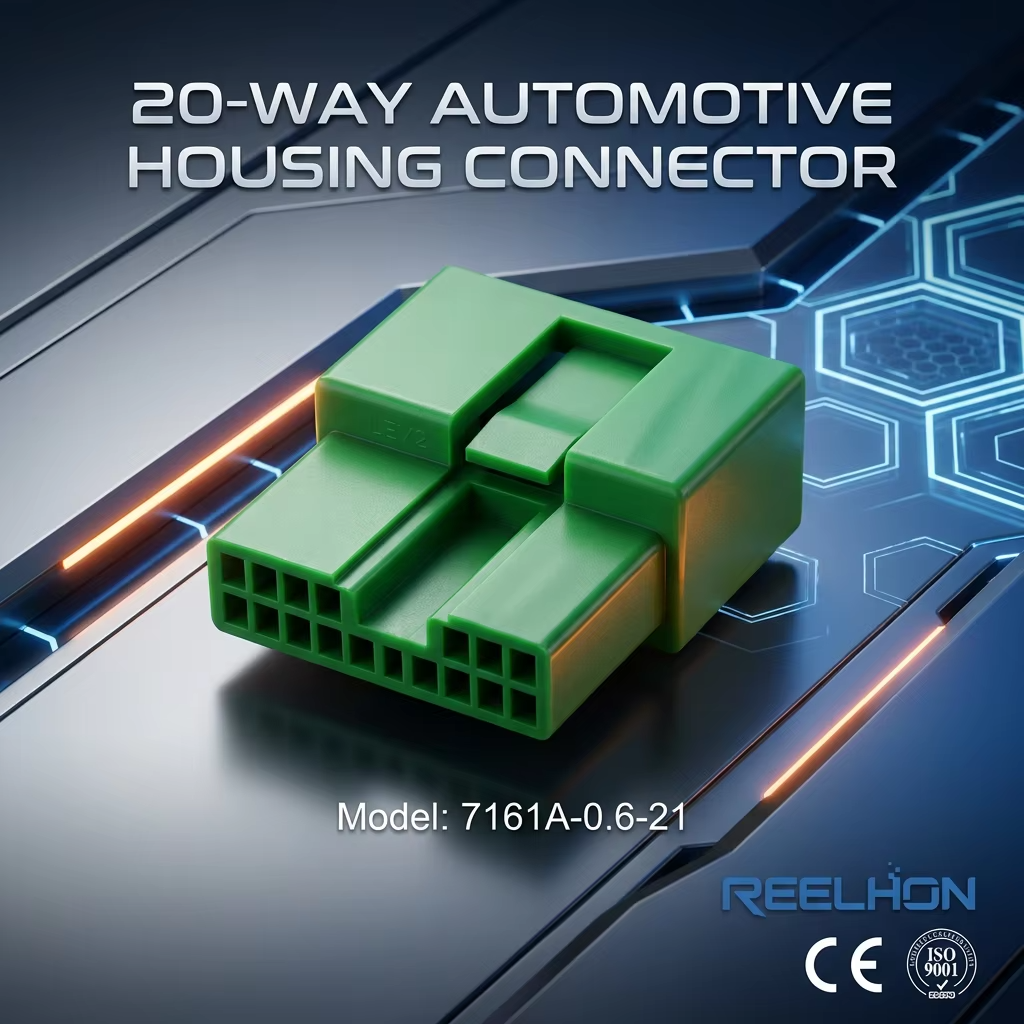
Wiring harness connector types serve as critical components in electrical systems, enabling secure and reliable connections between different wire assemblies. These connectors facilitate the transmission of electrical signals and power across various applications, from automotive systems to industrial machinery. Understanding wiring harness connector types is essential for selecting the right solution for specific operational requirements. The main function of these connectors involves creating detachable or permanent joints between wire harnesses, ensuring consistent electrical conductivity while protecting against environmental factors. Common wiring harness connector types include blade connectors, ring terminals, butt connectors, weather-pack connectors, Deutsch connectors, and Molex connectors, each designed for distinct purposes. Technological features vary across wiring harness connector types, incorporating elements such as waterproof sealing, vibration resistance, temperature tolerance, and color-coded identification systems. These connectors employ materials like copper alloys for conductivity, combined with insulating plastics engineered to withstand harsh conditions. Applications span automotive wiring systems, aerospace electronics, marine equipment, industrial automation, consumer electronics, and telecommunications infrastructure. The diversity of wiring harness connector types allows engineers to match connector specifications with environmental demands, current-carrying capacity, and installation constraints. Modern wiring harness connector types increasingly incorporate locking mechanisms, strain relief features, and quick-disconnect functionality to enhance installation efficiency and long-term reliability in demanding operational environments.

 EN