automotive electrical terminals and connectors
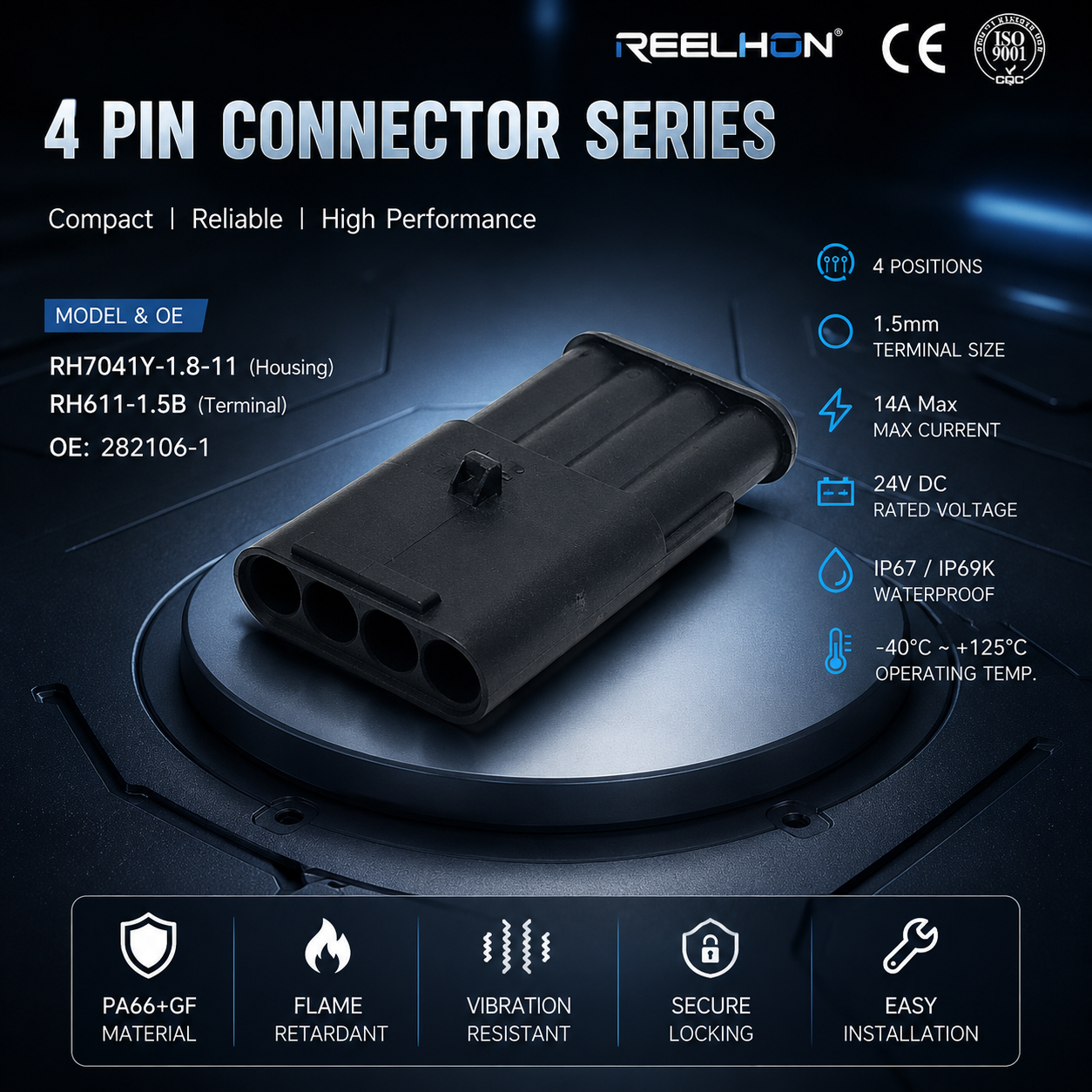
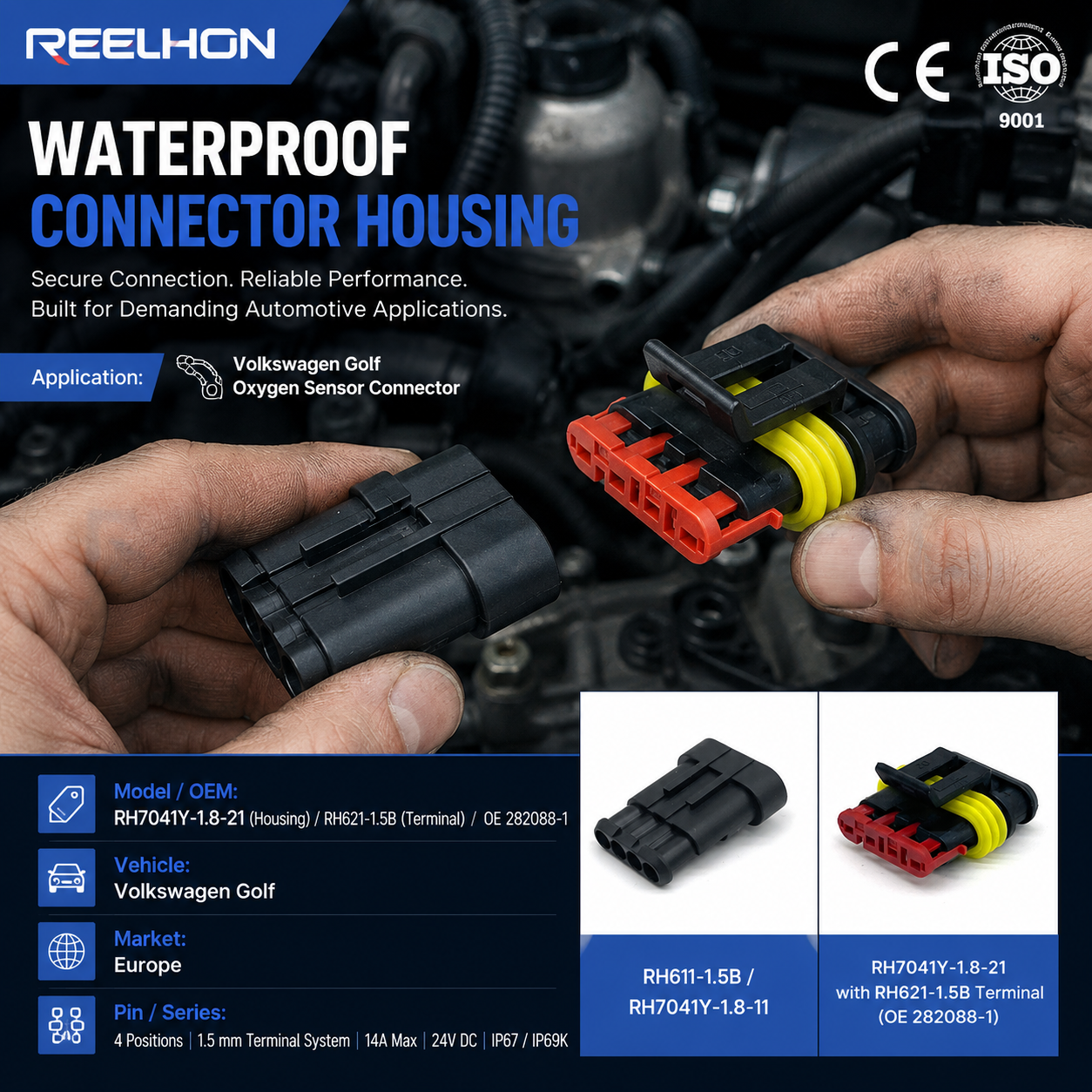
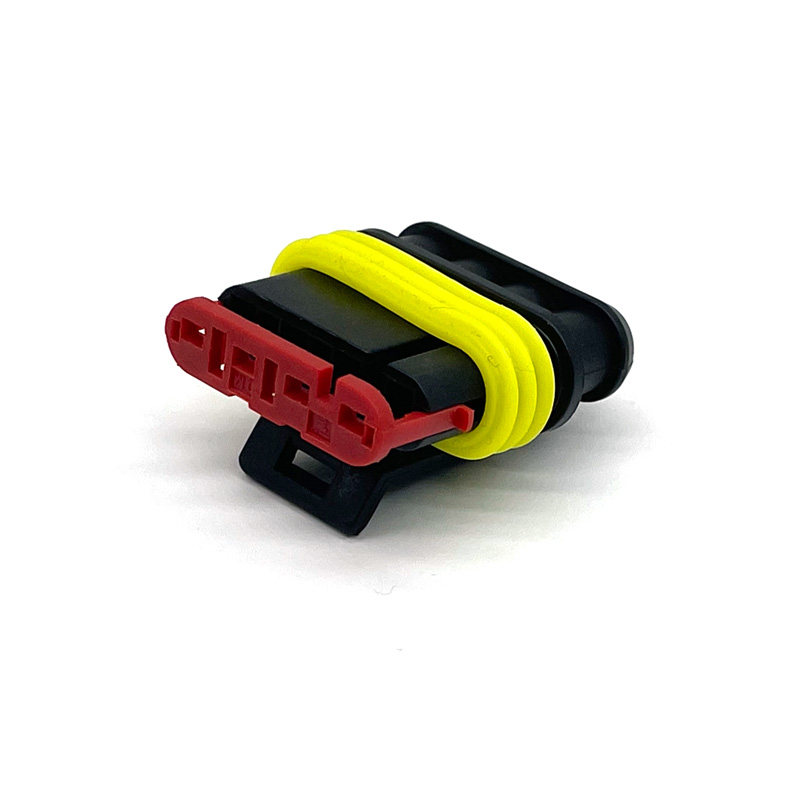
Automotive electrical terminals and connectors serve as critical interface components that enable reliable electrical connections throughout modern vehicles. These specialized devices facilitate the safe transmission of electrical signals and power between various automotive systems, including engine management, lighting, infotainment, safety features, and battery distribution networks. Automotive electrical terminals and connectors are engineered to withstand harsh environmental conditions such as extreme temperatures, vibrations, moisture exposure, and chemical contaminants commonly encountered in vehicle operations. The technological features of automotive electrical terminals and connectors include precision-engineered contact surfaces that ensure optimal conductivity, secure locking mechanisms that prevent accidental disconnection, and sealed housings that protect against water and dust ingress. Advanced materials such as copper alloys, tin plating, and high-grade thermoplastics are utilized to deliver superior electrical performance and mechanical durability. These components are available in various configurations, including blade terminals, ring terminals, pin connectors, and multi-pin housings, each designed for specific application requirements. The applications of automotive electrical terminals and connectors span across passenger vehicles, commercial trucks, electric vehicles, and specialty automotive equipment. They play essential roles in establishing connections for sensors, actuators, control modules, power distribution systems, and communication networks. As vehicles become increasingly electrified and technologically sophisticated, the demand for high-quality automotive electrical terminals and connectors continues to grow, making them indispensable components in modern automotive manufacturing and aftermarket repair sectors.

 EN


